China to Pass Landmark Property Law
[Interview] Zhang Weiying,
Dean of Peking University's Management School
Sunny Lee (sunnylee)
Published 2007-01-27 07:21 (KST)
China's parliament is set to discuss a landmark property law when it meets in March. Beijing is thus one step closer to approving the newest draft version of the legislation, which has been reworked seven times because of its apparent capitalistic penchant which conflicts with China's socialist orientation.
The law to protect private property has been a political hot potato in China where state ownership still dominates key parts of the economy.
Zhang Weiying, dean of Guanghua School of Management at Peking University, said he believes the bill would pass the parliament.
"The parliament will pass the law. That will be a very important signal," he said in a recent interview.
Zhang said passing the bill will "give more confidence" to China's rising entrepreneurs, who are "crucial" for China's economic development.
"When people have security, they will know what they will get. They will be more motivated to work, make more money and invest," he said.
Zhang said a well-adopted property law can be a tool for a value creation and wealth redistribution.
"But the danger is some people are very anti-business," and there is ideological resistance, Zhang said, adding there may be "some important changes" likely to be made in the 17th Communist Party Congress in September.
"The leadership...can do something, which they couldn't do before... The top leaders may become braver in implementing reform policies," Zhang said without elaborating.
Zhang said recently Chinese economy has become easier to predict, with the economy has been less dominated by the government.
"That is a much nicer system. Unlike the government, when the private sector makes an investment, they look at it with a relatively long-term perspective...That was the reason the economy has become more stable. So, it is easy to predict this year's economy," he said.
Zhang said he is "confident" the economy this year will grow similar to last year's level, citing stable labor supply and improved productivity that he expects to last for a few years to come.
Zhang said he disagrees with some China watchers who think China's economy will start sliding after the 2008 Olympic Games as the high-expectation bubble up to the world event will go burst once it ends.
Instead, Zhang said China's economy will still be able to grow between 8 and 10 percent after the 2008 Olympic Games, buoyed by strong demands in both domestic and global markets.
"We do not expect any big change even after the Olympic games. (There will be) still a strong demand and supply," Zhang said.
China Has A Long Way To Go
Meanwhile, Zhang said China has "a lot of things to do" before to be really a market economy. "I don't think it's a market economy yet in a strict sense." He said, for example, the capital market and land market are still highly controlled by the government.
When asked when he expects China to get a market economy status from the U.S., he said, "China doesn't need to worry about that. America will eventually recognize China as a market economy. Now it is too much political."
Zhang said there is no good solution for the trade dispute between China and America because essentially "this is a political game. Each government thinks and raises voices strategically. Politics needs confrontation."
"I think the confrontation will continue," Zhang said.
In 2006, China's trade surplus jumped 74 percent from 2005 to hit a record US$177.47 billion, which will likely encourage further American pressures on Beijing to let the yuan appreciate at a faster pace.
China's Commerce Minister Bo Xilai said reducing China's trade surplus will be a key task for 2007.
China is making its own effort to gradually move toward a more open economy, Zhang said. "The government now cannot fully control the (economy's) brake any more," which he said reflects a "fundamental" change.
"We're becoming better students of Adam Smith," Zhang said.
©2007 OhmyNew
martes, febrero 06, 2007


lunes, febrero 05, 2007
Cambio climático: lo que ya sabíamos
Cambio climático: lo que ya sabíamos
ESTEBAN ARLUCEA
PROFESOR DE DERECHO CONSTITUCIONAL DE LA UPV
El Informe del cambio climático
Un día después del anecdótico apagón eléctrico de cinco minutos se ha presentado en la sede de la Unesco en París un avance del último informe (el cuarto) del llamado Panel Intergubernamental sobre el Cambio Climático de la ONU (IPCC en su acrónimo inglés).
En honor a la verdad, he de reconocer que todos los medios de comunicación se hicieron eco de la noticia que colmó los arranques de todos los noticiarios de ayer. De suyo, un buen acontecimiento si no fuera por lo que el contenido del
avance de este estudio -realizado, entre redacción y revisiones, por más de 1.200 científicos- pone de relieve: que aun siendo una parte insignificante de este planeta redondo, cerrado y finito, como muy literariamente nos ha recordado Muñoz Molina en su reciente 'El viento de la Luna', somos los responsables cuasi en exclusiva (90%) de lo que acaece en él.
Retroceso de la civilización
Claro que esto para un racionalista antropocentrismo no es un dato que deba llevarnos a reflexión alguna, pero para quienes
sostenemos el valor éticamente intrínseco de todo cuanto nos rodea, no es sino la confirmación de sospechas y sensaciones que nos hablan del paulatino retroceso de nuestra moderna civilización. Término que, derivado del latino 'civis' (ciudadano, persona en definitiva), mal habla de que continuemos conduciéndonos en el único espacio físico que conocemos y podemos (la Tierra) de una manera que nos lleva a nuestra propia destrucción o, en el mejor de los escenarios, a un notabilísimo
incremento de perjuicios.
Y llegados a este punto de denunciada difícil vuelta atrás, cuando menos por los efectos a largo plazo sobre la naturaleza, las declaraciones de nuestros responsables políticos se tiñen de una insolente inocencia:
Todavía tenemos pesimismo
Necesitábamos la confirmación global y objetiva de la ciencia para, ahora sí, actuar plenamente en consecuencia, aunque ya hayamos ido dando pasos en tales sentidos', es lo que, en resumidas cuentas, vienen a decir. Sin embargo, albergo la sospecha de que en modo alguno ello va a suceder así, principalmente porque pensar hoy en día en el poder político como uno autónomo es una mezcolanza de desconocimiento e ingenuidad a partes iguales.
El poder político (donde lo hay) está sumisamente supeditado al económico. Los dictados del G-8, OMC, Banco Mundial y otras organizaciones menos nombradas penetran más, y más rápidamente, en nuestras vidas que la ley para el fomento de la cultura de la paz, por poner un ejemplo. Es cierto que para quien ha querido ver los datos, ahí estaban. Este panel de expertos simplemente se ha limitado a ordenarlos y presentarlos (como otros muchos antes) en sociedad. Y el cuadro que esbozan es desolador: cambio climático, incremento de desastres naturales, deshielo, aumento de temperaturas, y todo ello y más, relacionado con la especie humana. Esto es lo que el 2 de febrero ha saltado a la palestra, que no es poco.
Desde el año 1972 y no ha pasado nada
Nada nuevo, como digo, al menos desde 1972, fecha de la celebración de la Cumbre de Estocolmo precedida por cierta carta que dirigió Mansholt al presidente de la Comisión de la CEE (Malfatti), advirtiéndole de la incompatibilidad de nuestro modo de producir y la supervivencia del ser humano en el planeta. Evento que inaugura una forma internacional de intentar afrontar ciertos problemas, asimismo, internacionales. Sin embargo, para esa fecha la estructuralidad de la forma de producción y consumo occidental, origen fundamental de estas consecuencias, no admitía más rivales que el decadente socialismo soviético, y el planteamiento originario de esta cumbre parecía suponerlo, de modo que no se le negó el tutelar auxilio de la Secretaría del Acuerdo General sobre Aranceles Aduaneros y Comercio (GATT) en su preparación. No es
casualidad, pues, que su declaración final no cuestionara para nada los modelos industrial y económico imperantes. Sus repeticiones en 1992 y 2002 no han concluido sino con meros eufemismos sobre la salud del planeta, perdiéndose lo que ya el organizador de la Cumbre de Río hace quince años llamó la última oportunidad para salvarlo.
Se ignoran los impactos
Contrariamente, desde otros sectores alternativos se han ido emitiendo propuestas, pero, desgraciadamente, han resultado ignoradas o reconvertidas a la lógica del sistema, perdiéndose con ello toda su fuerza transformadora. Es lo que ha sucedido con el Protocolo de Kioto de 1997 sobre limitación de emisiones de gases de efecto invernadero, que tanta responsabilidad ostentan en el denominado cambio climático: la bondad de la idea ha sido pervertida al traducirse a un sistema exclusivamente economicista de compraventa de derechos de contaminación, cuyo resultado -no podría ser otro- es un incremento de las emisiones y de los beneficios económicos globales asociados (sin ir más lejos, es el caso de España, que ha visto incrementado su porcentaje de emisiones de CO2 en un 15% respecto a los valores de 1990, aunque, de seguir su
política como hasta el momento, podrían ser superiores en un 60% a finales de 2012).
Un desarrollo erróneo
El avance de este cuarto informe pone de manifiesto, pues, lo erróneo del camino recorrido a base de una interesada transformación del concepto de desarrollo sostenible en sólo desarrollo limitado cuantitativamente. La socialización del uso de los combustibles fósiles y su asunción como algo imprescindible para nuestro modus vivendi acarrean un precio impagable como planeta -vienen a decir sus conclusiones- y toda apuesta por los mismos desprecia la realidad en la
que desde hace unas décadas nos hallamos inmersos, que la modificación de sus efectos ya sólo se encuentra en parte en nuestras manos.
Así que hoy más que nunca cobra especial sentido la constatación de Desmond Morris cuando atribuía a nuestro proceso descivilizatorio el que continuáramos siendo ese sencillo animal tribal de hace varios miles de años, recriado al calor de su feroz industrialismo esquilmador, que se considera aparte, por encima y propietario del planeta.
ESTEBAN ARLUCEA
PROFESOR DE DERECHO CONSTITUCIONAL DE LA UPV
El Informe del cambio climático
Un día después del anecdótico apagón eléctrico de cinco minutos se ha presentado en la sede de la Unesco en París un avance del último informe (el cuarto) del llamado Panel Intergubernamental sobre el Cambio Climático de la ONU (IPCC en su acrónimo inglés).
En honor a la verdad, he de reconocer que todos los medios de comunicación se hicieron eco de la noticia que colmó los arranques de todos los noticiarios de ayer. De suyo, un buen acontecimiento si no fuera por lo que el contenido del
avance de este estudio -realizado, entre redacción y revisiones, por más de 1.200 científicos- pone de relieve: que aun siendo una parte insignificante de este planeta redondo, cerrado y finito, como muy literariamente nos ha recordado Muñoz Molina en su reciente 'El viento de la Luna', somos los responsables cuasi en exclusiva (90%) de lo que acaece en él.
Retroceso de la civilización
Claro que esto para un racionalista antropocentrismo no es un dato que deba llevarnos a reflexión alguna, pero para quienes
sostenemos el valor éticamente intrínseco de todo cuanto nos rodea, no es sino la confirmación de sospechas y sensaciones que nos hablan del paulatino retroceso de nuestra moderna civilización. Término que, derivado del latino 'civis' (ciudadano, persona en definitiva), mal habla de que continuemos conduciéndonos en el único espacio físico que conocemos y podemos (la Tierra) de una manera que nos lleva a nuestra propia destrucción o, en el mejor de los escenarios, a un notabilísimo
incremento de perjuicios.
Y llegados a este punto de denunciada difícil vuelta atrás, cuando menos por los efectos a largo plazo sobre la naturaleza, las declaraciones de nuestros responsables políticos se tiñen de una insolente inocencia:
Todavía tenemos pesimismo
Necesitábamos la confirmación global y objetiva de la ciencia para, ahora sí, actuar plenamente en consecuencia, aunque ya hayamos ido dando pasos en tales sentidos', es lo que, en resumidas cuentas, vienen a decir. Sin embargo, albergo la sospecha de que en modo alguno ello va a suceder así, principalmente porque pensar hoy en día en el poder político como uno autónomo es una mezcolanza de desconocimiento e ingenuidad a partes iguales.
El poder político (donde lo hay) está sumisamente supeditado al económico. Los dictados del G-8, OMC, Banco Mundial y otras organizaciones menos nombradas penetran más, y más rápidamente, en nuestras vidas que la ley para el fomento de la cultura de la paz, por poner un ejemplo. Es cierto que para quien ha querido ver los datos, ahí estaban. Este panel de expertos simplemente se ha limitado a ordenarlos y presentarlos (como otros muchos antes) en sociedad. Y el cuadro que esbozan es desolador: cambio climático, incremento de desastres naturales, deshielo, aumento de temperaturas, y todo ello y más, relacionado con la especie humana. Esto es lo que el 2 de febrero ha saltado a la palestra, que no es poco.
Desde el año 1972 y no ha pasado nada
Nada nuevo, como digo, al menos desde 1972, fecha de la celebración de la Cumbre de Estocolmo precedida por cierta carta que dirigió Mansholt al presidente de la Comisión de la CEE (Malfatti), advirtiéndole de la incompatibilidad de nuestro modo de producir y la supervivencia del ser humano en el planeta. Evento que inaugura una forma internacional de intentar afrontar ciertos problemas, asimismo, internacionales. Sin embargo, para esa fecha la estructuralidad de la forma de producción y consumo occidental, origen fundamental de estas consecuencias, no admitía más rivales que el decadente socialismo soviético, y el planteamiento originario de esta cumbre parecía suponerlo, de modo que no se le negó el tutelar auxilio de la Secretaría del Acuerdo General sobre Aranceles Aduaneros y Comercio (GATT) en su preparación. No es
casualidad, pues, que su declaración final no cuestionara para nada los modelos industrial y económico imperantes. Sus repeticiones en 1992 y 2002 no han concluido sino con meros eufemismos sobre la salud del planeta, perdiéndose lo que ya el organizador de la Cumbre de Río hace quince años llamó la última oportunidad para salvarlo.
Se ignoran los impactos
Contrariamente, desde otros sectores alternativos se han ido emitiendo propuestas, pero, desgraciadamente, han resultado ignoradas o reconvertidas a la lógica del sistema, perdiéndose con ello toda su fuerza transformadora. Es lo que ha sucedido con el Protocolo de Kioto de 1997 sobre limitación de emisiones de gases de efecto invernadero, que tanta responsabilidad ostentan en el denominado cambio climático: la bondad de la idea ha sido pervertida al traducirse a un sistema exclusivamente economicista de compraventa de derechos de contaminación, cuyo resultado -no podría ser otro- es un incremento de las emisiones y de los beneficios económicos globales asociados (sin ir más lejos, es el caso de España, que ha visto incrementado su porcentaje de emisiones de CO2 en un 15% respecto a los valores de 1990, aunque, de seguir su
política como hasta el momento, podrían ser superiores en un 60% a finales de 2012).
Un desarrollo erróneo
El avance de este cuarto informe pone de manifiesto, pues, lo erróneo del camino recorrido a base de una interesada transformación del concepto de desarrollo sostenible en sólo desarrollo limitado cuantitativamente. La socialización del uso de los combustibles fósiles y su asunción como algo imprescindible para nuestro modus vivendi acarrean un precio impagable como planeta -vienen a decir sus conclusiones- y toda apuesta por los mismos desprecia la realidad en la
que desde hace unas décadas nos hallamos inmersos, que la modificación de sus efectos ya sólo se encuentra en parte en nuestras manos.
Así que hoy más que nunca cobra especial sentido la constatación de Desmond Morris cuando atribuía a nuestro proceso descivilizatorio el que continuáramos siendo ese sencillo animal tribal de hace varios miles de años, recriado al calor de su feroz industrialismo esquilmador, que se considera aparte, por encima y propietario del planeta.
China y los cambios climaticos
Los medios chinos silencian los efectos del cambio climático
PABLO M. DÍEZ.
CORRESPONSAL
PEKÍN.
En medio de humeantes chimeneas y bajo un cielo gris y cubierto por una neblina que oculta permanentemente el sol, los chinos continuaban trabajando ayer completamente ajenos a las serias advertencias lanzadas durante los últimos días por el Panel Intergubernamental del Cambio Climático (IPCC), que han relacionado de manera directa e inequívoca el calentamiento global con la mano del hombre.
Silencio en los medios de comunicación
A pesar de que el gigante asiático es uno de los países que más nota debería tomar del aviso efectuado por los expertos internacionales reunidos en París, los principales medios de comunicación chinos han silenciado sus conclusiones, que no han sido difundidas por la televisión estatal ni por los grandes rotativos y sólo han sido
recogidas brevemente por un par de periódicos.
Se trata de un ejemplo más del control que ejerce el régimen comunista de Pekín sobre los medios de comunicación, en los que sólo aparecen las noticias que el gobierno quiere airear. Y, evidentemente, la responsabilidad del ser humano en la alteración del clima no es una de ellas.
Primer contaminante
No en vano, China se convirtió durante el año 2005 en el primer país emisor de sustancias contaminantes al liberar a la atmósfera 25,49 millones de toneladas de dióxido de azufre, motivo por lo que es uno de los países que más contribuye a generar gases de efecto invernadero junto a Estados Unidos, Japón, la India, Australia y Corea del Sur, todos ellos críticos con el informe del IPCC y sus principales conclusiones.
Se ignora el Protocolo de Kioto
Pero, aunque China ha firmado y ratificado el Protocolo de Kioto para reducir dichos gases, sus fábricas y centrales térmicas -que queman carbón para suministrar el 80 por ciento de la electricidad que requiere su desenfrenado crecimiento económico- seguirán contaminando como hasta ahora. El motivo es que, al ser todavía un país en vías de desarrollo,
el coloso oriental se ve eximido de recortar sus emisiones porque esta tarea compete sólo a las naciones plenamente industrializadas.
Una peligrosa excepción que, establecida para facilitar el progreso de potencias emergentes como China, la India o Brasil, puede acabar pasándole factura al planeta Tierra porque Pekín ya ha reconocido su fracaso en la protección del medioambiente. Y es que, tras un cuarto de siglo de «milagro» económico, la "fábrica global» se encuentra tan contaminada que la lluvia ácida ya riega un tercio de su superficie y el 27% de sus 341 mayores urbes padecen unos niveles de polución en el aire :«muy peligrosos», al tiempo que el 70% de sus ríos y lagos están seriamente degradados y 300 millones de habitantes no tienen agua potable.
Los Impactos
Además de causar la muerte de 400.000 personas al año por enfermedades pulmonares y cardiovasculares, la contaminación amenaza con hipotecar los gastos sanitarios en el futuro y colapsar el altísimo crecimiento económico de China, puesto que los costes medioambientales ya suponen el 10 por ciento de su Producto Interior Bruto (PIB).
domingo, febrero 04, 2007
Hugo Chavez: The Electoral Phenomenon
Hugo Chavez: The Electoral Phenomenon
By Alek Boyd
Introduction
No book about contemporary politics of Venezuela can negate the fact that Hugo Chavez is an electoral phenomenon. Having won every electoral process in which he, his parties or candidates have participated since his first victory in 1998, Chavez embodies the exception to the rule that has that incumbents tend to suffer a decline in support as time elapses. In his case the contrary has actually happened, which may suggest that either Chavez is the most successful politico the modern world has seen or that his electoral victories are direct consequence of a power-hoarding model of governance similar to those encountered in dictatorships. It is my intention to unravel which of the two premises is closer to Venezuela ’s current political reality.
The Political Landscape
The 1998 presidential race: Hugo Chavez first democratic victory came about in December 1998; however his career in politics started well before that in the army. After more than 10 years of conspiration Lieutenant Colonel Hugo Chavez launched with a number of military companions a coup d’etat against a democratically elected administration on 4 February 1992 . Rampant corruption and purported neoliberal policies implemented by then president Carlos Andres Perez have been cited by Hugo Chavez as the reasons for his attempt. One policy had caused slum dwellers to react violently; an increase in gasoline prices, which caused transport fares to surge overnight. The many deaths –exact figure unknown until this day- caused by the implementation of a military contingency plan (Plan Avila) to placate the rioting mobs in Caracas on 27 February 1989 was the trigger for the putschists to accelerate the bid to gain power by unlawful means.
A poorly designed plan coupled with utterly inefficient leaders in charge of perpetrating it resulted in a fiasco. But despite his failure Chavez’s political persona was catapulted to stardom thanks to the media; his brief televised address to the nation, negotiated upon betrayal of his companions while hiding in Caracas ’ Museo Militar from where he was conducting the coup, turned him instantly into an icon. At the time there was consensus on the need to change the establishment, and Venezuelans for the most part, being only too prone for quick fixes, thought that the military adventure spearheaded by Chavez was not only commendable but a realistic solution to the country’s many social and political problems.
Jailed and pardoned at a latter date without having gone through trial by Carlos Andres Perez’s successor Rafael Caldera, upon regaining freedom Chavez made his first trip to Cuba in December 1994. Dictator Fidel Castro saw in him a window of opportunity. After the fall of his communist patrons in the Soviet Union an impoverished and abated Castro found himself resource less, the umbilical cord that maintained his communist revolution financially and militarily had been cut. However there he was, a young, charismatic, gullible soldier from the province, eager to implement in Venezuela a replica of Castro’s Animal Farm, something that the Cuban had not been able to achieve in its heyday. The dictator received his would-be apprentice like a hero and carefully laid the foundations of what would become a paternal sort of relationship. The prospect of controlling Venezuela ’s vast resources via a proxy was just what the dictator needed to oxygenate his failed revolution.
Chavez’s active involvement in politics started in earnest in 1995. Convinced of the dysfunctional status of the Venezuelan State he advocated for abstention, for a conscious effort of withdrawing support and citizen participation in electoral processes whose victors did not have the interests and needs of the population at heart. In many quarters of society his was a respected position. Politicians that had never been in positions of power in Venezuela jumped in the popular bandwagon, the goal being to tame Chavez and turn him into an obedient colleague, part of the crooked crew as it were.
Similarly powerful businessmen and media tycoons could not help themselves and boarded the train, supporting the coupster. It is a known fact for instance that Chavez lived in Miguel Henrique Otero’s house [owner of daily El Nacional] and traveled around the country in a plane lent by Henry Boulton [owner of extinct Avensa & Servivensa], which exemplifies the sort of appeal that Chavez had once upon a time, even among individuals whose democratic credentials were beyond question. The ménage a trois between Chavez, the powers that were and a large chunk of society came to its climax in 1998, when he was elected to the presidency. It is to be noted that in spite of being at what some considered his highest ever peak of popularity Chavez did not manage to get in 1998 as many votes as Carlos Andres Perez got a decade earlier. On a similar note, his then political mentor Luis Miquilena negotiated with Spanish bank BBVA a $1.5 million donation – $525.586 received December 1998 and $1 million July 1999 - the second disbursement of which Chavez readily accepted after having been sworn in legislation forbidding such acts notwithstanding.
But Chavez had great plans in mind. His winning ticket was generally speaking one of anti-corruption/crime/unemployment/poverty, although he also promised to eradicate the pest –represented by political parties’ (sic), to fry the heads of corrupt politicians (sic), to change his name had he fail to rescue streets children, to do away with all elected powers and dismantle institutions, to rewrite the constitution, to convene a National Constituent Assembly, etc. At the time Venezuelans heard only the bits they wanted to hear, the sheer disgust and discontentment towards the status quo was so generalized that the common stance could be defined as “anything but traditional politicos.” Venezuelans wanted desperately to get over the worse decade of its incipient democratic history.
In the late 80ies and early 90ies the country was rocked by unprecedented events. Starting with the infamous Caracazo in 89, coups d’etat (4 Feb and 27 Nov) in 92, impeachment and destitution of Carlos Andres Perez in 93 due to misuse of funds, an economy in tatters after the banking crisis in 1994, during Caldera’s second term (93-98) detrimental bond tender offers justified by an irresponsible director of Banco Central de Venezuela who candidly admitted “in 10 years time none of us will be around here” (sic), an utterly corrupt and inefficient administration from 93 onwards, in sum the majority thought that nothing could be worse and so they thrust support on Chavez who was seen as the great white hope.
Referenda processes and the National Constituent Assembly: With a fresh mandate and riding the popularity wave Chavez proposed a novel concept; that of referenda. At the time the body of laws was built upon the constitution of 1961, which, needs be stressed, did not contain any provision, article or mandate allowing the use of such supraconstitutional mechanism nor did it exist any legislation to that effect. But that did not stop Chavez. Ever the gifted communicator he convinced the people that under the circumstances he could not rule: his line of reasoning could be summarized as “the State and its institutions must be refound. Originary power resides in the people, as such I propose a referendum so that the people can vote on whether or not to convene a National Constituent Assembly that will rewrite the constitution and lay the foundations of a new State.” The actual question presented on referendum to voters on 25 April 1999 was “¿Convoca usted una Asamblea Nacional Constituyente con el propósito de transformar el Estado y crear un nuevo ordenamiento jurídico que permita el funcionamiento efectivo de una Democracia Social y Participativa?”
Neither him, nor the people, were bothered by the fact that convening a National Constituent Assembly was unconstitutional; with polls indicating 80% support he did not give a second thought about alienated parties. 3,630,666 votes, or 33% of registered voters, signed the blank check and approved the experiment of transforming the State, creating a new judicial order that would allow an effective functioning of a participative and social democracy. Selection of members of the Constituent Assembly followed and cronies of Chavez managed to get 124 out of the 131 seats. But an impatient Chavez rushed them to finish and requested for the new constitution to be written in 3 months instead of 6 as initially planned. His request was fulfilled with diligence and then came the approval of the new constitution, which was basically dictated by Chavez. In the new document of 350 articles rights to recall elected officials via referenda and to rebellion were enshrined. The State was to have five branches instead of the traditional three; Citizen and Moral powers were added to Judiciary, Legislative and Executive and the selection and appointment of officials to these posts were to follow strict rules to ensure independence.
On 15 December 1999 3,301,475 Venezuelans voted in favour of adopting the new constitution (30% of roll). Worth mentioning that there existed a discrepancy between total number of registered voters between the convening of the National Constituent Assembly on 25 April and the approval of the new constitution on 15 December; the roll decreased by 127,457 voters. So Chavez got his bespoke constitution and on 22 December 1999 the Constituent Assembly, a week before the new constitution was enacted, decreed a ‘transition regime,’ which ceased the functioning of Congress -permanently dissolving the Senate- legislative assemblies and all other public powers. Then, arguing that the new constitution had yet to take effect (it had been approved already a week earlier) it created a National Legislative Committee, appointed the new members of the Supreme Court, the people's Defender, the Attorney General, the National Electoral Commission and the Comptroller. In none of these cases were the procedures established by the new constitution followed.
For the second instance Chavez showed his true colors for none of these acts were improvised, but were implementation via ‘democratic means’ of measures devised and prepared well before 1992; in fact the first democratic coup in Venezuela’s history. In order to minimize criticism another stroke of genius; early into his presidency he invited Jose Vicente Rangel and Alfredo Peña to join the government, arguably two of the most dreaded journalists/critics in the country.
Enabling bill, street protests, strikes and the coup: In November 2000 Congress approved an Enabling bill to confer extraordinary powers to Chavez, who was to decree legislation in predetermined areas. Nearly a year to the day the Enabling bill was passed Chavez launched 49 laws. Ranging from land management passing through maritime rights to more mundane administrative issues the new bills prompted intense criticism in opposition quarters. To his credit most of them had to do with aspects related to his ‘socialist’ revolution, such as regulation of grants and credits to Small and Medium Enterprises. A Macro Stabilization Fund (FIEM in Spanish) was also created with the purpose of balancing budgets with extraordinary income deposited during windfall. Predictably most of the +$7 billion deposited with FIEM went missing, as Chavez irresponsibly disposed of the monies as he saw fit. But the strongest bone of contention was the Land bill, which introduced the concept of “idle land.” The idleness of the land was to be determined in subjective fashion by civil servants who, often, would use their discretionary powers as a mechanism to blackmail land owners, to settle political problems or simply to get parcels of land in sought after places.
All the while the opposition was sort of gathering momentum. Throughout 2001 and 2002 Venezuela ’s cities saw the biggest demonstrations ever recorded. The head of the country’s largest union –Carlos Ortega- joined forces with the chair of the business chamber –Carlos Fernandez- something unheard of previously, and ganged up against the regime. Together they organized massive protests, the goal being to halt the country’s economy. During this period Chavez fired Petroleos de Venezuela’s CEO and appointed in its stead an ignorant crony, which added more to the fire. Oil workers protested the decision for it did away with the meritocratic concept whereby promotions to higher positions in the company always came from the pool of talent within.
The situation was deteriorating rapidly to which Chavez reacted with even more dismissals; one good day in the middle of one of his televised Sunday talkathons (known as “Alo Presidente”) he started naming PDVSA board members and after blowing a whistle he would say “you’re fired!” It was considered to be the ultimate insult, up until that point PDVSA directors were the untouchables, no government official or public servant had dared dismiss a company director in such gross and disrespectful manner. However it was just another example that Chavez was not cut from the same cloth. The reaction was swift; a string of harsh statements leveling criticism ensued. The house of one PDVSA director was raided; that prompted a protest in a PDVSA building that was dispersed brutally by the military. Things heated up, by now Juan Fernandez, whose house was raided, joined forces with the pair of irreverent bosses.
The opposition had built enough momentum, or so its leadership thought, but little did it know what the future held. Disgruntled high ranking members of the army took their grief to the cameras, stating that the president had become authoritarian and that his behavior violated constitutional and democratic tenets. An ill prepared, loose coalition of natural born enemies decided that time was ripe to meet forces with Chavez’s monolithic regime. On 11 April 2002 some of the leaders of the opposition, intoxicated with the spectacle of the sight, decided to deviate hundreds of thousands of protesters that had gathered in front of Cubo Negro (adjacent to a PDVSA building) to Miraflores, Venezuela’s presidential palace. The human tide obeyed and marched towards the palace, but Chavistas (as Chavez’s supporters are known) were prep and ready –meaning armed and located in strategic positions- for the agitation and chaos that was to ensue. At that point the forces that had been irresponsibly unleashed were, quite naturally, out of control.
A rain of bullets met the protesters and, to this day, no one can claim knowledge as to which side started the shooting. Sharp shooters were seen in roof tops that were meant to be under Chavez’s personal security apparatus control (Casa Militar). Additionally members of Congress supportive of Chavez were bearing arms in Puente Llaguno, a sort of overpass above the avenue where the protesters were, and were filmed shooting against the advancing crowd that was shielded by officers from the Metropolitan Police. Confrontation did not last long, nonetheless 19 people were killed and about a hundred were wounded. The chain of events that followed are shrouded in mystery, current versions ranging from the whole thing being a US led coup to other versions that maintain that it was Chavez’s own machinations, seeking to purge the army of disloyal officers, that led to it. What is certain about it is that depending on the political tendency of he/she who recounts the episode any version pretty much goes for Chavez and his lackeys simply were not interested in determining who did what, torpedoing any meaningful investigations aimed at identifying those responsible. To the contrary, at a latter stage Chavez would bestow honors upon those congressmen seen shooting from Puente Llaguno, celebrating their zeal and defining them as “revolutionary heroes.”
What is known is that a group of high ranking officers, politicians and businessmen were plotting to oust Chavez. Just before the shooting began something that resembled an address from the Joint Chiefs of Staff appeared on TV withdrawing allegiance to the president. Chavez was addressing the nation while less than a mile from where he was mayhem was taking place. As mandatory the speeches of the president have to be broadcast jointly by all media, however some TV networks decided to split the screen; on one side Chavez was giving his usual dose of humbug on the other people were being killed on live television. The country was taken aback by the scenes in downtown Caracas . Fearing that the situation had gotten out of hand Chavez ordered the implementation of a military contingency plan known as Plan Avila.
The plan had been designed to counter militarily massive riots, lootings or any other event that would overwhelm Caracas ’ police forces. Tellingly the implementation by Carlos Andres Perez of this very same plan caused many deaths in Caracas in 1989 and was still fresh in many people’s minds. It could have been precisely because of that that the general in charge of implementing it (General Manuel Rosendo) disobeyed Chavez’s orders, expressing that he was not going to order tanks and troops out to counter a demonstration. So Rosendo’s subaltern General Luis Garcia Carneiro decided to act upon the president’s orders and sent some tanks to Miraflores, which, needs be said, never engaged in action. By this time the anger towards the president was generalized within the higher echelons of the army. Gathered in Fuerte Tiuna, Caracas’ military base, they found themselves debating what would the next step be, what would they do with Chavez, perceived as responsible for the bloodbath. Consensus was difficult to achieve as some insisted in imprisoning Chavez while others wanted to send him packing chez his Cuban mentor, as already requested by Chavez. But somewhere else in the city one Pedro Carmona, new leader of the business chamber (Fedecamaras) was having thoughts of his own. [To be continued...]
The Electoral Conditions
2006 Presidential Elections: whereas lack of transparency and fairness characterized electoral processes in the run up to the presidential race, this one was, despite some participating actors attesting to the contrary, more of the same. Chavez had by then completed his castling, appointing another staunch ally –Tibisay Lucena- to chair the electoral board. This move somewhat tranquilized opposition forces that felt that another election with Jorge Rodriguez at the helm would amount to no more than a sham. However the partisan structure of the CNE remained intact with a balance of power of 4 out of 5 board directors clearly identified with officialdom. The gamesmanship became evident early when leading academics of the three most important universities in the country (Universidad Central de Venezuela or UCV, Universidad Catolica Andres Bello or UCAB and Universidad Simon Bolivar or USB) proposed to audit the roll thoroughly for it was the bone of strongest contention between government and opposition. It was a known fact that the electoral roll had been artificially inflated in the millions through irresponsible registry mechanisms, unchecked identification processes, flawed methodology, lax ID-documents requirements were all part of the massive increase in the number of voters.
Notorious examples abound: the Gonzalez family with more than 2.000 members all born the same date and registered in the same house; or the +39.000 voters over 100 hundred years of age -a statistical impossibility given the country's population; or the entries of unidentified voters called XX; in sum these corollary of fabricated voters -created to re-elect Chavez- cast many doubts on the overall transparency of the process. According to current legislation (art. 93 of the Organic Law of Suffrage and Political Participation) the CNE is obliged to release to political parties and interested groups that so require copies of each list of voters published by the Office of Electoral Register.
Furthermore the director of said office shall certify a) that such lists are exact copies of the roll and b) whether the released copies represent partial or total content of the electoral roll. But the CNE had of course different mandates to fulfill. Never stating clearly that auditing under strict academic standards was not to be permitted another proposal was put forward: the audit was to be conducted by a joint panel formed by experts of UCV, UCAB, USB and unknown academics lacking credentials from six other universities and one scientific research institute (IVIC). The added institutions were either created by Chavez or controlled by supporters: incredibly out of the seven additions only one institution (IVIC) had reputable statisticians actively engaged in research but they were explicitly forbidden by CNE from taking part in the audit in any way. Furthermore the CNE saw fit to negotiate and impose the most appropriate method to conduct the audit in clear violation to the law.
The impression that Venezuela had a thriving democracy needed to be maintained at all costs. Ergo the next step to be taken was to file a considerable number of candidates, though everyone sort of knew that it was going to be a two horse race. Once these hurdles were overcome came the revelation for this was far from being a typical presidential campaign as understood and known in Western countries. For Manuel Rosales did not just confront Hugo Chavez but the Venezuelan State. Chavez did not relinquish his powers and ominous control over all institutions, nor did he show any restraints in using public funds for campaigning purposes. The ratio of TV-time of the two candidates was 22 to 1 in favor of Chavez; the budget of his campaign unknown, aggravated by the fact that no institution would dare take any members of cabinet –many of whom were assigned responsibilities within the official campaign team- or the president into account.
Airports were closed to prevent Rosales’s plane from landing; access roads to Caracas were shut to block access to Rosales’s rallies; governors and mayors supportive of Chavez in the hinterlands would use public resources to organize violent anti-Rosales protests that coincided with his rallies; electricity was cut in many rallies around the country to impede Rosales’s message to be heard in popular gatherings; intelligence police kept filming and photographing Rosales’s campaign team members as they got off planes and cars in order to intimidate them; TV crews from official media were dispatched to cover Rosales’s events while journalist from privately owned media were forbidden to attend Chavez’s meetings; public funds were used to hire thousands of buses to transport chavistas to meetings; millions were spent on paying chavistas to get them to attend rallies of the official candidate; official vehicles and buildings were covered with propaganda; in sum this was anything but a normal race. International observers present in the country expressed utter dismay at the abuse of public resources by the Chavez camp; the CNE board however did not find any of it out of the ordinary or illegal. Under such conditions a favorable result for the opposition was impossible to achieve. [To be continued...]
By Alek Boyd
Introduction
No book about contemporary politics of Venezuela can negate the fact that Hugo Chavez is an electoral phenomenon. Having won every electoral process in which he, his parties or candidates have participated since his first victory in 1998, Chavez embodies the exception to the rule that has that incumbents tend to suffer a decline in support as time elapses. In his case the contrary has actually happened, which may suggest that either Chavez is the most successful politico the modern world has seen or that his electoral victories are direct consequence of a power-hoarding model of governance similar to those encountered in dictatorships. It is my intention to unravel which of the two premises is closer to Venezuela ’s current political reality.
The Political Landscape
The 1998 presidential race: Hugo Chavez first democratic victory came about in December 1998; however his career in politics started well before that in the army. After more than 10 years of conspiration Lieutenant Colonel Hugo Chavez launched with a number of military companions a coup d’etat against a democratically elected administration on 4 February 1992 . Rampant corruption and purported neoliberal policies implemented by then president Carlos Andres Perez have been cited by Hugo Chavez as the reasons for his attempt. One policy had caused slum dwellers to react violently; an increase in gasoline prices, which caused transport fares to surge overnight. The many deaths –exact figure unknown until this day- caused by the implementation of a military contingency plan (Plan Avila) to placate the rioting mobs in Caracas on 27 February 1989 was the trigger for the putschists to accelerate the bid to gain power by unlawful means.
A poorly designed plan coupled with utterly inefficient leaders in charge of perpetrating it resulted in a fiasco. But despite his failure Chavez’s political persona was catapulted to stardom thanks to the media; his brief televised address to the nation, negotiated upon betrayal of his companions while hiding in Caracas ’ Museo Militar from where he was conducting the coup, turned him instantly into an icon. At the time there was consensus on the need to change the establishment, and Venezuelans for the most part, being only too prone for quick fixes, thought that the military adventure spearheaded by Chavez was not only commendable but a realistic solution to the country’s many social and political problems.
Jailed and pardoned at a latter date without having gone through trial by Carlos Andres Perez’s successor Rafael Caldera, upon regaining freedom Chavez made his first trip to Cuba in December 1994. Dictator Fidel Castro saw in him a window of opportunity. After the fall of his communist patrons in the Soviet Union an impoverished and abated Castro found himself resource less, the umbilical cord that maintained his communist revolution financially and militarily had been cut. However there he was, a young, charismatic, gullible soldier from the province, eager to implement in Venezuela a replica of Castro’s Animal Farm, something that the Cuban had not been able to achieve in its heyday. The dictator received his would-be apprentice like a hero and carefully laid the foundations of what would become a paternal sort of relationship. The prospect of controlling Venezuela ’s vast resources via a proxy was just what the dictator needed to oxygenate his failed revolution.
Chavez’s active involvement in politics started in earnest in 1995. Convinced of the dysfunctional status of the Venezuelan State he advocated for abstention, for a conscious effort of withdrawing support and citizen participation in electoral processes whose victors did not have the interests and needs of the population at heart. In many quarters of society his was a respected position. Politicians that had never been in positions of power in Venezuela jumped in the popular bandwagon, the goal being to tame Chavez and turn him into an obedient colleague, part of the crooked crew as it were.
Similarly powerful businessmen and media tycoons could not help themselves and boarded the train, supporting the coupster. It is a known fact for instance that Chavez lived in Miguel Henrique Otero’s house [owner of daily El Nacional] and traveled around the country in a plane lent by Henry Boulton [owner of extinct Avensa & Servivensa], which exemplifies the sort of appeal that Chavez had once upon a time, even among individuals whose democratic credentials were beyond question. The ménage a trois between Chavez, the powers that were and a large chunk of society came to its climax in 1998, when he was elected to the presidency. It is to be noted that in spite of being at what some considered his highest ever peak of popularity Chavez did not manage to get in 1998 as many votes as Carlos Andres Perez got a decade earlier. On a similar note, his then political mentor Luis Miquilena negotiated with Spanish bank BBVA a $1.5 million donation – $525.586 received December 1998 and $1 million July 1999 - the second disbursement of which Chavez readily accepted after having been sworn in legislation forbidding such acts notwithstanding.
But Chavez had great plans in mind. His winning ticket was generally speaking one of anti-corruption/crime/unemployment/poverty, although he also promised to eradicate the pest –represented by political parties’ (sic), to fry the heads of corrupt politicians (sic), to change his name had he fail to rescue streets children, to do away with all elected powers and dismantle institutions, to rewrite the constitution, to convene a National Constituent Assembly, etc. At the time Venezuelans heard only the bits they wanted to hear, the sheer disgust and discontentment towards the status quo was so generalized that the common stance could be defined as “anything but traditional politicos.” Venezuelans wanted desperately to get over the worse decade of its incipient democratic history.
In the late 80ies and early 90ies the country was rocked by unprecedented events. Starting with the infamous Caracazo in 89, coups d’etat (4 Feb and 27 Nov) in 92, impeachment and destitution of Carlos Andres Perez in 93 due to misuse of funds, an economy in tatters after the banking crisis in 1994, during Caldera’s second term (93-98) detrimental bond tender offers justified by an irresponsible director of Banco Central de Venezuela who candidly admitted “in 10 years time none of us will be around here” (sic), an utterly corrupt and inefficient administration from 93 onwards, in sum the majority thought that nothing could be worse and so they thrust support on Chavez who was seen as the great white hope.
Referenda processes and the National Constituent Assembly: With a fresh mandate and riding the popularity wave Chavez proposed a novel concept; that of referenda. At the time the body of laws was built upon the constitution of 1961, which, needs be stressed, did not contain any provision, article or mandate allowing the use of such supraconstitutional mechanism nor did it exist any legislation to that effect. But that did not stop Chavez. Ever the gifted communicator he convinced the people that under the circumstances he could not rule: his line of reasoning could be summarized as “the State and its institutions must be refound. Originary power resides in the people, as such I propose a referendum so that the people can vote on whether or not to convene a National Constituent Assembly that will rewrite the constitution and lay the foundations of a new State.” The actual question presented on referendum to voters on 25 April 1999 was “¿Convoca usted una Asamblea Nacional Constituyente con el propósito de transformar el Estado y crear un nuevo ordenamiento jurídico que permita el funcionamiento efectivo de una Democracia Social y Participativa?”
Neither him, nor the people, were bothered by the fact that convening a National Constituent Assembly was unconstitutional; with polls indicating 80% support he did not give a second thought about alienated parties. 3,630,666 votes, or 33% of registered voters, signed the blank check and approved the experiment of transforming the State, creating a new judicial order that would allow an effective functioning of a participative and social democracy. Selection of members of the Constituent Assembly followed and cronies of Chavez managed to get 124 out of the 131 seats. But an impatient Chavez rushed them to finish and requested for the new constitution to be written in 3 months instead of 6 as initially planned. His request was fulfilled with diligence and then came the approval of the new constitution, which was basically dictated by Chavez. In the new document of 350 articles rights to recall elected officials via referenda and to rebellion were enshrined. The State was to have five branches instead of the traditional three; Citizen and Moral powers were added to Judiciary, Legislative and Executive and the selection and appointment of officials to these posts were to follow strict rules to ensure independence.
On 15 December 1999 3,301,475 Venezuelans voted in favour of adopting the new constitution (30% of roll). Worth mentioning that there existed a discrepancy between total number of registered voters between the convening of the National Constituent Assembly on 25 April and the approval of the new constitution on 15 December; the roll decreased by 127,457 voters. So Chavez got his bespoke constitution and on 22 December 1999 the Constituent Assembly, a week before the new constitution was enacted, decreed a ‘transition regime,’ which ceased the functioning of Congress -permanently dissolving the Senate- legislative assemblies and all other public powers. Then, arguing that the new constitution had yet to take effect (it had been approved already a week earlier) it created a National Legislative Committee, appointed the new members of the Supreme Court, the people's Defender, the Attorney General, the National Electoral Commission and the Comptroller. In none of these cases were the procedures established by the new constitution followed.
For the second instance Chavez showed his true colors for none of these acts were improvised, but were implementation via ‘democratic means’ of measures devised and prepared well before 1992; in fact the first democratic coup in Venezuela’s history. In order to minimize criticism another stroke of genius; early into his presidency he invited Jose Vicente Rangel and Alfredo Peña to join the government, arguably two of the most dreaded journalists/critics in the country.
Enabling bill, street protests, strikes and the coup: In November 2000 Congress approved an Enabling bill to confer extraordinary powers to Chavez, who was to decree legislation in predetermined areas. Nearly a year to the day the Enabling bill was passed Chavez launched 49 laws. Ranging from land management passing through maritime rights to more mundane administrative issues the new bills prompted intense criticism in opposition quarters. To his credit most of them had to do with aspects related to his ‘socialist’ revolution, such as regulation of grants and credits to Small and Medium Enterprises. A Macro Stabilization Fund (FIEM in Spanish) was also created with the purpose of balancing budgets with extraordinary income deposited during windfall. Predictably most of the +$7 billion deposited with FIEM went missing, as Chavez irresponsibly disposed of the monies as he saw fit. But the strongest bone of contention was the Land bill, which introduced the concept of “idle land.” The idleness of the land was to be determined in subjective fashion by civil servants who, often, would use their discretionary powers as a mechanism to blackmail land owners, to settle political problems or simply to get parcels of land in sought after places.
All the while the opposition was sort of gathering momentum. Throughout 2001 and 2002 Venezuela ’s cities saw the biggest demonstrations ever recorded. The head of the country’s largest union –Carlos Ortega- joined forces with the chair of the business chamber –Carlos Fernandez- something unheard of previously, and ganged up against the regime. Together they organized massive protests, the goal being to halt the country’s economy. During this period Chavez fired Petroleos de Venezuela’s CEO and appointed in its stead an ignorant crony, which added more to the fire. Oil workers protested the decision for it did away with the meritocratic concept whereby promotions to higher positions in the company always came from the pool of talent within.
The situation was deteriorating rapidly to which Chavez reacted with even more dismissals; one good day in the middle of one of his televised Sunday talkathons (known as “Alo Presidente”) he started naming PDVSA board members and after blowing a whistle he would say “you’re fired!” It was considered to be the ultimate insult, up until that point PDVSA directors were the untouchables, no government official or public servant had dared dismiss a company director in such gross and disrespectful manner. However it was just another example that Chavez was not cut from the same cloth. The reaction was swift; a string of harsh statements leveling criticism ensued. The house of one PDVSA director was raided; that prompted a protest in a PDVSA building that was dispersed brutally by the military. Things heated up, by now Juan Fernandez, whose house was raided, joined forces with the pair of irreverent bosses.
The opposition had built enough momentum, or so its leadership thought, but little did it know what the future held. Disgruntled high ranking members of the army took their grief to the cameras, stating that the president had become authoritarian and that his behavior violated constitutional and democratic tenets. An ill prepared, loose coalition of natural born enemies decided that time was ripe to meet forces with Chavez’s monolithic regime. On 11 April 2002 some of the leaders of the opposition, intoxicated with the spectacle of the sight, decided to deviate hundreds of thousands of protesters that had gathered in front of Cubo Negro (adjacent to a PDVSA building) to Miraflores, Venezuela’s presidential palace. The human tide obeyed and marched towards the palace, but Chavistas (as Chavez’s supporters are known) were prep and ready –meaning armed and located in strategic positions- for the agitation and chaos that was to ensue. At that point the forces that had been irresponsibly unleashed were, quite naturally, out of control.
A rain of bullets met the protesters and, to this day, no one can claim knowledge as to which side started the shooting. Sharp shooters were seen in roof tops that were meant to be under Chavez’s personal security apparatus control (Casa Militar). Additionally members of Congress supportive of Chavez were bearing arms in Puente Llaguno, a sort of overpass above the avenue where the protesters were, and were filmed shooting against the advancing crowd that was shielded by officers from the Metropolitan Police. Confrontation did not last long, nonetheless 19 people were killed and about a hundred were wounded. The chain of events that followed are shrouded in mystery, current versions ranging from the whole thing being a US led coup to other versions that maintain that it was Chavez’s own machinations, seeking to purge the army of disloyal officers, that led to it. What is certain about it is that depending on the political tendency of he/she who recounts the episode any version pretty much goes for Chavez and his lackeys simply were not interested in determining who did what, torpedoing any meaningful investigations aimed at identifying those responsible. To the contrary, at a latter stage Chavez would bestow honors upon those congressmen seen shooting from Puente Llaguno, celebrating their zeal and defining them as “revolutionary heroes.”
What is known is that a group of high ranking officers, politicians and businessmen were plotting to oust Chavez. Just before the shooting began something that resembled an address from the Joint Chiefs of Staff appeared on TV withdrawing allegiance to the president. Chavez was addressing the nation while less than a mile from where he was mayhem was taking place. As mandatory the speeches of the president have to be broadcast jointly by all media, however some TV networks decided to split the screen; on one side Chavez was giving his usual dose of humbug on the other people were being killed on live television. The country was taken aback by the scenes in downtown Caracas . Fearing that the situation had gotten out of hand Chavez ordered the implementation of a military contingency plan known as Plan Avila.
The plan had been designed to counter militarily massive riots, lootings or any other event that would overwhelm Caracas ’ police forces. Tellingly the implementation by Carlos Andres Perez of this very same plan caused many deaths in Caracas in 1989 and was still fresh in many people’s minds. It could have been precisely because of that that the general in charge of implementing it (General Manuel Rosendo) disobeyed Chavez’s orders, expressing that he was not going to order tanks and troops out to counter a demonstration. So Rosendo’s subaltern General Luis Garcia Carneiro decided to act upon the president’s orders and sent some tanks to Miraflores, which, needs be said, never engaged in action. By this time the anger towards the president was generalized within the higher echelons of the army. Gathered in Fuerte Tiuna, Caracas’ military base, they found themselves debating what would the next step be, what would they do with Chavez, perceived as responsible for the bloodbath. Consensus was difficult to achieve as some insisted in imprisoning Chavez while others wanted to send him packing chez his Cuban mentor, as already requested by Chavez. But somewhere else in the city one Pedro Carmona, new leader of the business chamber (Fedecamaras) was having thoughts of his own. [To be continued...]
The Electoral Conditions
2006 Presidential Elections: whereas lack of transparency and fairness characterized electoral processes in the run up to the presidential race, this one was, despite some participating actors attesting to the contrary, more of the same. Chavez had by then completed his castling, appointing another staunch ally –Tibisay Lucena- to chair the electoral board. This move somewhat tranquilized opposition forces that felt that another election with Jorge Rodriguez at the helm would amount to no more than a sham. However the partisan structure of the CNE remained intact with a balance of power of 4 out of 5 board directors clearly identified with officialdom. The gamesmanship became evident early when leading academics of the three most important universities in the country (Universidad Central de Venezuela or UCV, Universidad Catolica Andres Bello or UCAB and Universidad Simon Bolivar or USB) proposed to audit the roll thoroughly for it was the bone of strongest contention between government and opposition. It was a known fact that the electoral roll had been artificially inflated in the millions through irresponsible registry mechanisms, unchecked identification processes, flawed methodology, lax ID-documents requirements were all part of the massive increase in the number of voters.
Notorious examples abound: the Gonzalez family with more than 2.000 members all born the same date and registered in the same house; or the +39.000 voters over 100 hundred years of age -a statistical impossibility given the country's population; or the entries of unidentified voters called XX; in sum these corollary of fabricated voters -created to re-elect Chavez- cast many doubts on the overall transparency of the process. According to current legislation (art. 93 of the Organic Law of Suffrage and Political Participation) the CNE is obliged to release to political parties and interested groups that so require copies of each list of voters published by the Office of Electoral Register.
Furthermore the director of said office shall certify a) that such lists are exact copies of the roll and b) whether the released copies represent partial or total content of the electoral roll. But the CNE had of course different mandates to fulfill. Never stating clearly that auditing under strict academic standards was not to be permitted another proposal was put forward: the audit was to be conducted by a joint panel formed by experts of UCV, UCAB, USB and unknown academics lacking credentials from six other universities and one scientific research institute (IVIC). The added institutions were either created by Chavez or controlled by supporters: incredibly out of the seven additions only one institution (IVIC) had reputable statisticians actively engaged in research but they were explicitly forbidden by CNE from taking part in the audit in any way. Furthermore the CNE saw fit to negotiate and impose the most appropriate method to conduct the audit in clear violation to the law.
The impression that Venezuela had a thriving democracy needed to be maintained at all costs. Ergo the next step to be taken was to file a considerable number of candidates, though everyone sort of knew that it was going to be a two horse race. Once these hurdles were overcome came the revelation for this was far from being a typical presidential campaign as understood and known in Western countries. For Manuel Rosales did not just confront Hugo Chavez but the Venezuelan State. Chavez did not relinquish his powers and ominous control over all institutions, nor did he show any restraints in using public funds for campaigning purposes. The ratio of TV-time of the two candidates was 22 to 1 in favor of Chavez; the budget of his campaign unknown, aggravated by the fact that no institution would dare take any members of cabinet –many of whom were assigned responsibilities within the official campaign team- or the president into account.
Airports were closed to prevent Rosales’s plane from landing; access roads to Caracas were shut to block access to Rosales’s rallies; governors and mayors supportive of Chavez in the hinterlands would use public resources to organize violent anti-Rosales protests that coincided with his rallies; electricity was cut in many rallies around the country to impede Rosales’s message to be heard in popular gatherings; intelligence police kept filming and photographing Rosales’s campaign team members as they got off planes and cars in order to intimidate them; TV crews from official media were dispatched to cover Rosales’s events while journalist from privately owned media were forbidden to attend Chavez’s meetings; public funds were used to hire thousands of buses to transport chavistas to meetings; millions were spent on paying chavistas to get them to attend rallies of the official candidate; official vehicles and buildings were covered with propaganda; in sum this was anything but a normal race. International observers present in the country expressed utter dismay at the abuse of public resources by the Chavez camp; the CNE board however did not find any of it out of the ordinary or illegal. Under such conditions a favorable result for the opposition was impossible to achieve. [To be continued...]
sábado, febrero 03, 2007
Poderes y Dictadura
JUAN FRANCISCO ALONSO
EL UNIVERSAL
El otorgamiento de poderes especiales al presidente Hugo Chávez, por parte de la Asamblea Nacional, fue criticado por la gran prensa europea, la cual advirtió que éstos podrían abrir las puertas a la instauración de un régimen dictatorial "con base en decretos".
En su editorial de ayer, títulado "Chávez, sin dique", El País de Madrid, el principal diario de la centroizquierda española, afirmó: "Con la Ley Habilitante, el Parlamento venezolano ha otorgado al Presidente poderes casi dictatoriales, contrarios a todo concepto de división de
poderes".
Acto seguido acusó al jefe del Estado de no atender los postulados del Libertador Simón Bolívar, pues hizo caso omiso del pensamiento que dice: "Huid del país donde uno solo ejerce todos los poderes: Es un país de esclavos".
El rotativo, el de mayor lectoría en España, calificó de injustificable la decisión del Legislativo, donde no hay un solo diputado opositor, de facultar al Ejecutivo para legislar "a su antojo" en materias que van desde la economía, pasando por la transformación del Estado hasta llegar a la ciencia y tecnología.
"Estamos asistiendo a un proceso revolucionario y a una concentración de poder que empezaron hace tiempo. No por casualidad el líder venezolano se muestra junto a Fidel Castro con tanta frecuencia: quiere erigirse en su heredero político en América Latina, a la vez que ha ido fraguando unas redes de apoyo internacional a su servicio", puntualizó.
Por su parte, el Monárquico ABC de Madrid, en su editorial "Rumbo a la dictadura bolivariana", aseveró que la solicitud presidencial de poderes extraordinarios "no es más que el reflejo de su obsesión patológica por el ejercicio del poder directo, además de una expresión del fracaso de los mecanismos ordinarios de su administración: El régimen venezolano es Chávez y nada funciona por debajo del Presidente, porque todos sus subordinados están chapoteando en la corrupción y nadie es capaz de seguir las ensoñaciones revolucionarias del ex militar golpista".
El Diario, el tercero más vendido en España, aseguró que el Gobierno venezolano dejó de ser democrático, aun cuando fue electo en las urnas, pues "ha destruido el Poder Judicial, ha viciado las salvaguardas del proceso electoral, ha empezado a cerrar medios de comunicación porque le molestan las críticas y ahora ha anulado al Parlamento para legislar por decreto (...) No queda más remedio que advertir que Hugo Chávez está llevando a los venezolanos de cabeza a una dictadura".
Los cuestionamientos también llegaron desde Alemania, donde el diario Suddeutsche Zeitung expresó su preocupación porque el "todopoderoso" mandatario recibiera facultades adicionales de parte de la Asamblea Nacional.
"El presidente venezolano rigió desde un principio mediante plebiscitos, gracias a su gran sentido del poder. El problema radica en el sistema y Hugo Chávez se aprovecha de eso", recalcó el matutino germano en su edición de ayer, en la cual también advirtió que la única manera de consolidar la democracia en Venezuela y en el resto de América Latina es
"modificando las condiciones sociales en esos países".
EL UNIVERSAL
El otorgamiento de poderes especiales al presidente Hugo Chávez, por parte de la Asamblea Nacional, fue criticado por la gran prensa europea, la cual advirtió que éstos podrían abrir las puertas a la instauración de un régimen dictatorial "con base en decretos".
En su editorial de ayer, títulado "Chávez, sin dique", El País de Madrid, el principal diario de la centroizquierda española, afirmó: "Con la Ley Habilitante, el Parlamento venezolano ha otorgado al Presidente poderes casi dictatoriales, contrarios a todo concepto de división de
poderes".
Acto seguido acusó al jefe del Estado de no atender los postulados del Libertador Simón Bolívar, pues hizo caso omiso del pensamiento que dice: "Huid del país donde uno solo ejerce todos los poderes: Es un país de esclavos".
El rotativo, el de mayor lectoría en España, calificó de injustificable la decisión del Legislativo, donde no hay un solo diputado opositor, de facultar al Ejecutivo para legislar "a su antojo" en materias que van desde la economía, pasando por la transformación del Estado hasta llegar a la ciencia y tecnología.
"Estamos asistiendo a un proceso revolucionario y a una concentración de poder que empezaron hace tiempo. No por casualidad el líder venezolano se muestra junto a Fidel Castro con tanta frecuencia: quiere erigirse en su heredero político en América Latina, a la vez que ha ido fraguando unas redes de apoyo internacional a su servicio", puntualizó.
Por su parte, el Monárquico ABC de Madrid, en su editorial "Rumbo a la dictadura bolivariana", aseveró que la solicitud presidencial de poderes extraordinarios "no es más que el reflejo de su obsesión patológica por el ejercicio del poder directo, además de una expresión del fracaso de los mecanismos ordinarios de su administración: El régimen venezolano es Chávez y nada funciona por debajo del Presidente, porque todos sus subordinados están chapoteando en la corrupción y nadie es capaz de seguir las ensoñaciones revolucionarias del ex militar golpista".
El Diario, el tercero más vendido en España, aseguró que el Gobierno venezolano dejó de ser democrático, aun cuando fue electo en las urnas, pues "ha destruido el Poder Judicial, ha viciado las salvaguardas del proceso electoral, ha empezado a cerrar medios de comunicación porque le molestan las críticas y ahora ha anulado al Parlamento para legislar por decreto (...) No queda más remedio que advertir que Hugo Chávez está llevando a los venezolanos de cabeza a una dictadura".
Los cuestionamientos también llegaron desde Alemania, donde el diario Suddeutsche Zeitung expresó su preocupación porque el "todopoderoso" mandatario recibiera facultades adicionales de parte de la Asamblea Nacional.
"El presidente venezolano rigió desde un principio mediante plebiscitos, gracias a su gran sentido del poder. El problema radica en el sistema y Hugo Chávez se aprovecha de eso", recalcó el matutino germano en su edición de ayer, en la cual también advirtió que la única manera de consolidar la democracia en Venezuela y en el resto de América Latina es
"modificando las condiciones sociales en esos países".
Los principios claves de Goebbels

Los principios claves de Goebbels
Dr. Paul Joseph Goebbels (29 de octubre de 1897 - 1 de mayo de 1945) fue el ministro de propaganda del gobierno de Adolf Hitler (en alemán Propagandaministerium) en la Alemania Nazi. Fue una figura clave del régimen, conocido por sus dotes retóricas y su capacidad persuasiva.
Promovió la depuración de los ambientes culturales y la más extensa difusión de los mitos nazis. Se suicidó después de hacer envenenar a su esposa y a sus seis hijos. Una famosa cita de Goebbels, repetida hoy en día con
profusión: "Una mentira repetida mil veces se convierte en una verdad".
Los principios de Goebbels
Principio de simplificación y del enemigo único: Adoptar una única idea, un único símbolo, e individualizar al adversario en un único enemigo.
Principio del método de contagio: Reunir diversos adversarios en una sola categoría o individuo; los adversarios han de constituirse en suma individualizada.
Principio de la transposición: Cargar sobre el adversario los propios errores o defectos, respondiendo al ataque con el ataque. "Si no puedes negar las malas noticias, inventa otras que las distraigan".
Principio de la exageración y desfiguración: Convertir cualquier anécdota, por pequeña que sea, en amenaza grave.
Principio de la vulgarización: "Toda propaganda debe ser popular, adaptando su nivel al menos inteligente de los individuos a los que va dirigida. Cuanto más grande sea la masa a convencer, más pequeño ha de ser el esfuerzo mental a realizar. La capacidad receptiva de las masas es limitada y su comprensión escasa; además, tienen gran facilidad para
olvidar."
Principio de orquestación: "La propaganda debe limitarse a un número pequeño de ideas y repetirlas incansablemente, presentadas una y otra vez desde diferentes perspectivas pero siempre convergiendo sobre el mismo
concepto. Sin fisuras ni dudas. Si una mentira se repite suficientemente, acaba por convertirse en verdad."
Principio de renovación: Hay que emitir constantemente informaciones y argumentos nuevos a un ritmo tal que, cuando el adversario responda, el público esté ya interesado en otra cosa. Las respuestas del adversario nunca han de poder contrarrestar el nivel creciente de acusaciones.
Principio de la verosimilitud: Construir argumentos a partir de fuentes diversas, a través de los llamados globos sondas o de informaciones fragmentarias.
Principio de la silenciación: Acallar las cuestiones sobre las que no se tienen argumentos y disimular las noticias que favorecen el adversario, también contraprogramando con la ayuda de medios de comunicación afines.
Principio de la transfusión: Por regla general, la propaganda opera siempre a partir de un sustrato preexistente, ya sea una mitología nacional o un complejo de odios y prejuicios tradicionales; se trata de difundir argumentos que puedan arraigar en actitudes primitivas.
Principio de la unanimidad: Llegar a convencer a mucha gente que se piensa "como todo el mundo", creando una falsa impresión de unanimidad.
¿Te suena, te suena, verdad que te suena ..?
"A nadie le faltan fuerzas, lo que le falta a muchos es voluntad"
Víctor Hugo
viernes, febrero 02, 2007
Caracas tambien tiene su mesquita...

En una misma cuadra se encuentran varias iglesias de otros cultos diferentes a las iglesias católicas. Existe una mesquita y en frente una iglesia protestante y más adelante una sinagoga. Los griegos también tiene en la ciudad de Caracas una bella iglesia dedicada a su culto y en la Urbanización La Lagunita una iglesia polaca con unos murales espectaculares.
Un periodico venezolano en Miami
En este periódico pueden leer: actualidad, ciencia y tecnología, comunidad, deportes, economía, farándula, internacional, opiniones,política. turísmo y salud.
Talking about a revolution
Talking about a revolution
Molly Watson
The Spectator
Part of the fun of visiting Venezuela is witnessing, at close quarters, the rapid descent into egomaniacal madness of its President, Hugo Chávez. Venezuelans, as Chávez never tires of reminding them, are in the grip of an anti-American socialist revolution and Chávez has begun to furnish himself with the sweeping powers befitting a revolutionary dictator.
Last month, when I was in the middle of a three-week trip through some of his country's remotest islands, his parliament, an institution packed with loyalists after an opposition boycott of elections in 2005, voted unanimously for his 'mother of all revolutionary laws', enabling him to rule by decree for the next 18 months. First on Chávez's To Do list is likely to be a measure allowing him to remain in office indefinitely.
Venezuela's armed forces, supreme court and attorney general's office have already been politicised to serve the Chávez regime.Now the country's central bank is set to lose its autonomous status as part of a purge of neoliberalism that includes plans to nationalise the electricity and telecommunications industries, secure the government a bigger portion of the spoils from the huge oil deposits under the Orinoco delta, shut down the largest opposition-run television channel and radio station and curb the powers of state governors and local mayors.
Everywhere you go, you see signs that Chávez is getting a taste for near-absolute power. Like his hero Fidel Castro, he has begun to indulge his eccentricities. Posters around the country show him donning military uniforms and presidential sashes (the latter worn symbolically over his left shoulder).
There he is on television, making rambling, hyperbolic speeches lasting several hours. His denunciation of George Bush as 'the Devil incarnate' was followed by the announcement of a direct flight service between Caracas and his new friends in Tehran — a long-haul route that is surely destined to be the least frequented in history. Twice married to women who have disappeared from public view amid rumours of domestic violence, he is alleged to have an active social life — one he shares with his brother, Adan, who, surprise surprise, has risen from obscurity to a key role in Chávez's 27-member cabinet of toadies.
If you're lucky, you'll see his fleet of enormous blacked-out Humvees sweeping through Caracas, and even in places where everyone goes barefoot and people can scarcely summon the energy to go fishing due to the equatorial climate where every imaginable tropical fruit is pretty much always in season, the very latest pro-Chávez slogans are immaculately painted on all prominent buildings. Persuading the vast majority of Venezuelans who live below the poverty line to vote for his policies of co-operatives and government subsidies was a trifle compared to the logistics of registering them to vote and getting them to polling stations.
Perhaps it sounds unnerving, but in fact, once you've grown sick of Chávez-watching, you'll find the ordinary Venezuelans have little interest in the revolutionary zeal of their President. Playful, charming and obsessed with their appearance, they struck me as natural-born consumers much more interested in tuning into MTV than redistributing the means of production along Marxist lines.
Venezuela is a country where the average citizen spends a fifth of his or her income on cosmetics and personal grooming and the reaction to living in an economy where inflation runs at between 14 and 30 per cent is to spend every spare bolivar on plastic surgery.
El Nacional, the major newspaper in Caracas, recently ran an editorial that its author précised for me as 'Big New Tits Can Buy You Paradise', describing how women would rather try to look beautiful and marry a man with money than save up for a mortgage or a university education.
Even the female receptionists at sleepy provincial car-hire outlets are caked in immaculately applied make-up, tap at their keyboards with perfectly manicured fingernails and wear six-inch heels to set off clothes so revealing they might give even Vicky Pollard pause. When a fellow passenger had a violent fit on a tiny plane I was island-hopping in, the locals on board seemed more concerned that she hadn't waxed under her arms recently than that the cabin was losing air pressure.
The national psyche of Venezuela is much too frivolous for socialism. I think it is a fun country whose culture and lifestyle is destined to get more, not less, American. The Venezuelans love telly. When they aren't watching their girls win the Miss World crown for the umpteenth time, they're glued to telenovelas — a variety of soap opera that makes Dynasty look like gritty realism. They love gambling. They have a collective sweet tooth that, combined with their insistence on driving
everywhere (petrol in Venezuela costs 2p a litre), is turning them into a nation of fatties.
When I decided to walk half a mile from a posada I was staying in on the island of Margarita to buy some chocolate, my
landlady treated the venture as an epic trek born of the loftiest saccharine-craving ideals — not because of the ever-present danger of being violently robbed or worse, but due to the enormous distance I would be undertaking on foot.
Middle-class Venezuelans, who are now severely restricted from exchanging their bolivars for dollars or any other foreign currency, don't share my optimism that Chávez will ultimately fail to subvert his countrymen's natural inclination (a Latino version of capitalism) to get rich and then pump up the music and make merry. One Venezuelan friend drew an analogy with Cuba, asking, 'Would anyone who lived through the era of Havana's casinos,dancing girls and mafia money have imagined communism would have succeeded there?' When I asked him what he would like me to send from England as a birthday present, he grimaced, then smiled, and suggested that I dispatch a parcel of condensed milk and tinned meat for the lean
times that may lie ahead.
Molly Watson
The Spectator
Part of the fun of visiting Venezuela is witnessing, at close quarters, the rapid descent into egomaniacal madness of its President, Hugo Chávez. Venezuelans, as Chávez never tires of reminding them, are in the grip of an anti-American socialist revolution and Chávez has begun to furnish himself with the sweeping powers befitting a revolutionary dictator.
Last month, when I was in the middle of a three-week trip through some of his country's remotest islands, his parliament, an institution packed with loyalists after an opposition boycott of elections in 2005, voted unanimously for his 'mother of all revolutionary laws', enabling him to rule by decree for the next 18 months. First on Chávez's To Do list is likely to be a measure allowing him to remain in office indefinitely.
Venezuela's armed forces, supreme court and attorney general's office have already been politicised to serve the Chávez regime.Now the country's central bank is set to lose its autonomous status as part of a purge of neoliberalism that includes plans to nationalise the electricity and telecommunications industries, secure the government a bigger portion of the spoils from the huge oil deposits under the Orinoco delta, shut down the largest opposition-run television channel and radio station and curb the powers of state governors and local mayors.
Everywhere you go, you see signs that Chávez is getting a taste for near-absolute power. Like his hero Fidel Castro, he has begun to indulge his eccentricities. Posters around the country show him donning military uniforms and presidential sashes (the latter worn symbolically over his left shoulder).
There he is on television, making rambling, hyperbolic speeches lasting several hours. His denunciation of George Bush as 'the Devil incarnate' was followed by the announcement of a direct flight service between Caracas and his new friends in Tehran — a long-haul route that is surely destined to be the least frequented in history. Twice married to women who have disappeared from public view amid rumours of domestic violence, he is alleged to have an active social life — one he shares with his brother, Adan, who, surprise surprise, has risen from obscurity to a key role in Chávez's 27-member cabinet of toadies.
If you're lucky, you'll see his fleet of enormous blacked-out Humvees sweeping through Caracas, and even in places where everyone goes barefoot and people can scarcely summon the energy to go fishing due to the equatorial climate where every imaginable tropical fruit is pretty much always in season, the very latest pro-Chávez slogans are immaculately painted on all prominent buildings. Persuading the vast majority of Venezuelans who live below the poverty line to vote for his policies of co-operatives and government subsidies was a trifle compared to the logistics of registering them to vote and getting them to polling stations.
Perhaps it sounds unnerving, but in fact, once you've grown sick of Chávez-watching, you'll find the ordinary Venezuelans have little interest in the revolutionary zeal of their President. Playful, charming and obsessed with their appearance, they struck me as natural-born consumers much more interested in tuning into MTV than redistributing the means of production along Marxist lines.
Venezuela is a country where the average citizen spends a fifth of his or her income on cosmetics and personal grooming and the reaction to living in an economy where inflation runs at between 14 and 30 per cent is to spend every spare bolivar on plastic surgery.
El Nacional, the major newspaper in Caracas, recently ran an editorial that its author précised for me as 'Big New Tits Can Buy You Paradise', describing how women would rather try to look beautiful and marry a man with money than save up for a mortgage or a university education.
Even the female receptionists at sleepy provincial car-hire outlets are caked in immaculately applied make-up, tap at their keyboards with perfectly manicured fingernails and wear six-inch heels to set off clothes so revealing they might give even Vicky Pollard pause. When a fellow passenger had a violent fit on a tiny plane I was island-hopping in, the locals on board seemed more concerned that she hadn't waxed under her arms recently than that the cabin was losing air pressure.
The national psyche of Venezuela is much too frivolous for socialism. I think it is a fun country whose culture and lifestyle is destined to get more, not less, American. The Venezuelans love telly. When they aren't watching their girls win the Miss World crown for the umpteenth time, they're glued to telenovelas — a variety of soap opera that makes Dynasty look like gritty realism. They love gambling. They have a collective sweet tooth that, combined with their insistence on driving
everywhere (petrol in Venezuela costs 2p a litre), is turning them into a nation of fatties.
When I decided to walk half a mile from a posada I was staying in on the island of Margarita to buy some chocolate, my
landlady treated the venture as an epic trek born of the loftiest saccharine-craving ideals — not because of the ever-present danger of being violently robbed or worse, but due to the enormous distance I would be undertaking on foot.
Middle-class Venezuelans, who are now severely restricted from exchanging their bolivars for dollars or any other foreign currency, don't share my optimism that Chávez will ultimately fail to subvert his countrymen's natural inclination (a Latino version of capitalism) to get rich and then pump up the music and make merry. One Venezuelan friend drew an analogy with Cuba, asking, 'Would anyone who lived through the era of Havana's casinos,dancing girls and mafia money have imagined communism would have succeeded there?' When I asked him what he would like me to send from England as a birthday present, he grimaced, then smiled, and suggested that I dispatch a parcel of condensed milk and tinned meat for the lean
times that may lie ahead.
jueves, febrero 01, 2007

El Blog de Rodolfo Schmidt
En el blog de Rodolfo Schmidt se coemnta la nueva Ley de Inmuebles. Este periodista hace un análisis y una interpretación de esa polémica ley. Allí se dice lo siguiente como dos informaciones alarmantes y polémicas:
“Proyecto de la nueva Ley de Inmuebles:
Art. 14 - ” Se tendrá como inmueble sub-ocupado, toda aquella unidad habitacional que, estando ocupada, supere las necesidades reales de su o sus ocupantes, sean éstos o no propietario (s) o propietaria ( s) de la misma, la cual será objeto de expropiación sin perjuicio de los anteriores, los cuales serán reubicados de acuerdo a lo dispuesto en las leyes y reglamentos que rigen la materia.”. (rmarcano99@yahoo.com)
Una vez aprobada la “ley” ¿ se aplicará sólo a los “oposicionistas” o también a los robolivarianos en el Alto Poder?. Por cierto,…
“El ex (…) del CNE, Jorge Rodríguez (hoy Vice-presidente del País) , se muda para el edificio “Parque La Cornisa” en Altamira. Allá los apartamentos no bajan de los ¡4 millardos de bolívares! (“Negociables”), como puede verse en las gráficas (Suprimidas). ¿Puedes tu comprarte esos 550 M2 de apartamento en Altamira? ¿Acaso él ha trabajado más que tu en la vida?. 5 habitaciones; baños, 4; estacionamientos, 4; 2 ascensores….”. (En reserva).
“Proyecto de la nueva Ley de Inmuebles:
Art. 14 - ” Se tendrá como inmueble sub-ocupado, toda aquella unidad habitacional que, estando ocupada, supere las necesidades reales de su o sus ocupantes, sean éstos o no propietario (s) o propietaria ( s) de la misma, la cual será objeto de expropiación sin perjuicio de los anteriores, los cuales serán reubicados de acuerdo a lo dispuesto en las leyes y reglamentos que rigen la materia.”. (rmarcano99@yahoo.com)
Una vez aprobada la “ley” ¿ se aplicará sólo a los “oposicionistas” o también a los robolivarianos en el Alto Poder?. Por cierto,…
“El ex (…) del CNE, Jorge Rodríguez (hoy Vice-presidente del País) , se muda para el edificio “Parque La Cornisa” en Altamira. Allá los apartamentos no bajan de los ¡4 millardos de bolívares! (“Negociables”), como puede verse en las gráficas (Suprimidas). ¿Puedes tu comprarte esos 550 M2 de apartamento en Altamira? ¿Acaso él ha trabajado más que tu en la vida?. 5 habitaciones; baños, 4; estacionamientos, 4; 2 ascensores….”. (En reserva).
miércoles, enero 31, 2007
Monumento a Bolívar
MONUMENTO A BOLIVAR, VECTOR APUNTADO A EEUU, DIJO NIEMEYER
Por
Karem Holmquist H.
RIO DE JANEIRO, 31 (ANSA) - El arquitecto Oscar Niemeyer, de 99 años y uno de los intelectuales más sólidos de la izquierda de brasileña, explicó que el diseño del monumento a Simón Bolívar, a construirse en Caracas, es un "vector" que apunta a Estados Unidos.
"Sabía que un monumento a Bolívar debía tener plásticamente la grandeza de esa figura de revolucionario tan querida en Venezuela y en los demás países de Latinoamérica", comentó.
"La idea que se me ocurría, un extenso triángulo apuntado hacia el exterior, me entusiasmaba. Y lo diseñé con 100 metros de altura y 170 metros de extensión", anticipó el arquitecto creador de Brasilia, la capital del país, y de innumerables obras en el mundo.
La iniciativa del monumento a Bolívar surgió de la visita que realizó el presidente de Venezuela, Hugo Chávez, a Niemeyer, la última noche en que el mandatario estuvo en Rio de Janeiro con motivo de la Cumbre del Mercosur, el pasado viernes 19.
El vector diseñado, que prevé al pie de la estructura cercada de un espejo de agua, un museo dedicado a Bolívar, apunta a Estados Unidos.
"Para algunos era una forma un poco agresiva, pero para mí justifica el momento político que vivimos en Latinoamérica, con Venezuela liderando el movimiento de resistencia a las agresiones de Bush", destacó el arquitecto en un texto publicado por la prensa local.
Para Niemeyer, el monumento "refleja cómo eran indispensables la audacia y el coraje de ese gran líder de Latinaomérica", completó.
31/01/2007 13:31
Castro and Chavez

By
Michael Bowman
Voice of America
For nearly 50 years, Cuban President Fidel Castro has been Latin America's best-known leftist revolutionary. Who will wear the revolutionary mantle in the post-Castro era? Many analysts believe President Hugo Chavez of Venezuela will pick up Castro's banner, but others question whether Mr. Chavez will ever attain the Cuban leader's international stature. VOA's Michael Bowman reports from Washington.
Until disappearing from public view in 2006, Fidel Castro lambasted the United States at every turn. Venezuelan President Hugo Chavez, a self-proclaimed socialist, does the same.
"The hegemonic pretensions of the American empire are placing at risk the very survival of the human species," Chavez told the UN General Assembly.
Hugo Chavez viewed Fidel Castro as a mentor and friend. Campaigning for re-election last year, he dedicated his victory to the man he called "the bearded one."
Cuba expert Wayne Smith of the Center for International Policy says, "Fidel Castro is seen as the revolutionary leader, the historical figure opposed to the United States. It is that which gave Castro his position, his standing, his stature in Latin America. Hugo Chavez, clearly, wants to receive that mantle, wants to receive that heritage."
Can he succeed? Mr. Chavez is already emulating the Cuban leader's style of governance, according to Michael Shifter of the Inter-American Dialogue, a policy analysis group.
"I think his commitment to democracy -- in terms of rule of law, checks and balances, constraints on his power -- I think [is] not too far away from Fidel Castro's. [Mr. Chavez] has a tremendous desire to consolidate and concentrate power in his own hands, to make all decisions. Just as Fidel Castro made all decisions in running Cuba, he wants to make all decisions in running Venezuela."
But can Mr. Chavez capture Fidel Castro's larger-than-life stature?
"Fidel Castro fought the revolution, fought against the Batista government. He had his troops, he went to the mountains,” explains Shifter. “This is somebody who is seen as having made a sacrifice, having fought on the basis of ideas and convictions. Hugo Chavez is somebody seen as being lucky for presiding over a situation of high oil prices and using that as a political instrument."
In the 1960s and '70s, Fidel Castro tried to export communism across Latin America. In recent years, President Chavez has used his country's vast oil wealth to forge new economic and political ties in the region. Analyst Wayne Smith says Mr. Chavez' international overtures appear to be meeting less resistance than did Fidel Castro's.
"Castro, for all practical purposes, most of the time, was alone. There was no one else [championing socialism in Latin America]. Now, Hugo Chavez has all sorts of leftist friends in Latin America to hold hands with," Smith says.
Chavez allies include Bolivian President Evo Morales, Ecuadorean President Rafael Correa and Nicaraguan President Daniel Ortega. However, Mr. Chavez' tendency to declare his favorites in other countries' presidential races has led to friction with Peru, and elsewhere in Latin America.
Friction could also be on the horizon between Caracas and Havana, according to analyst Ian Vasquez of the Cato Institute.
"Raul Castro, it is rumored, is not that fond of Hugo Chavez, and will be very careful not to come under his thumb. He has been under the thumb of his own brother for more than 40 years. He certainly is not going to want to be under the thumb of a new upstart trying to model himself on his brother. So there are inevitably going to be some tensions between Cuba and Venezuela."
In an era of growing global energy consumption, analyst Vazquez says, Venezuela's vast oil wealth automatically makes it a player on the world stage, in a way that Cuba never was under Fidel Castro. But, he adds, the Venezuelan model, relying heavily on petrodollars to satisfy people's needs, is one that few other nations can follow.
martes, enero 30, 2007
Frases celebres de W. Churchill
Winston Churchill (30 de noviembre de 1874 - 24 de enero de 1965)
Político británico y Premio Nobel de Literatura en 1953.
“El comunismo es la filosofía del fracaso, el credo a la ignorancia y la prédica a la envidia; su virtud inherente es la distribución igualitaria de la miseria.”
"Una guerra nunca resuelve problema alguno. No hace sino plantear otros nuevos."
"La cometa se eleva más alto en contra del viento, no a su favor."
"La democracia es el menos malo de los sistemas políticos."
"La democracia es la necesidad de inclinarse de cuando en cuando ante la opinión
de los demás."
"La dictadura, devoción fetichista por un hombre, es una cosa efímera, un estado
de la sociedad en el que no puede expresarse los propios pensamientos, en el que
los hijos denuncian a sus padres a la policía; un estado semejante no puede
durar mucho tiempo."
"Quien habla mal de mí a mis espaldas, mi culo lo contempla".
"Rusia es un aliado dudoso, cuyas probabilidades de éxito son mínimas."
(Septiembre de 1941).
"La falla de nuestra época consiste en que sus hombres no quieren ser útiles
sino importantes."
"La guerra es una invención de la mente humana; y la mente humana también puede
inventar la paz."
Dictadura
Dictadura
Michael Rowan
El Universal, 30/1/07
El comunismo del siglo XXI, al igual que la versión del siglo pasado, es una máscara de la dictadura. El comunismo ruso no transfirió la propiedad de la producción ni el poder al pueblo, como deseaba Marx, sino al dictador Stalin. La versión china hizo lo mismo con Mao, la versión cubana con Castro y la versión venezolana lo está haciendo con Chávez.
A Marx le complacería, sin embargo, el hecho de que los trabajadores posean los medios de producción en EEUU, donde la mayoría de las acciones de las 500 corporaciones de la revista Fortune pertenecen a los fondos de pensión de los trabajadores. Irónicamente, lo que más deseaba Marx lo consiguió la libre empresa, el trabajo libre y el libre mercado.
No entienden
A los comunistas les cuesta entender que no tienen un planteamiento económico que puedan presentar a cualquiera. Mientras el libre mercado incrementó el PIB per cápita en los países pobres 5,4 veces desde 1820, ninguna nación comunista ha experimentado una mejoría comparable dentro de sus fronteras. La excepción es China, que ha sacado a 200 millones de
personas de la pobreza desde 1980, pero Chávez debería apreciar la ironía implícita en la forma en que Pekín logró eso: a través de capitalismo, comercio y globalización. Los trabajadores de China deben sus mejoras económicas a las ideas de Adam Smith, no de Karl Marx.
Solamente el poder
A Chávez le importa el poder, nada más. Ahora legisla sin la Asamblea, juzga sin los tribunales, cuenta votos sin el CNE y cuenta dinero sin el Banco Central. Quiere gobernar sin objeciones en asuntos de educación, salud, economía, medios, ejército e incluso de religión. Bueno, Stalin también lo hizo. Pero no por eso tuvo razón o fue un santo.
El chavismo no es una religión, ni Jesucristo era socialista. No necesitamos que Chávez nos diga que Jesús estaría de su parte si estuviera hoy en Venezuela. Porque cuando nos arrodillamos a rezar, implorando a Dios que ponga fin al mal y la destrucción que ha caído sobre el pueblo de Venezuela, vemos que es Jesús, no Chávez, quien está en la cruz, y es el cristianismo, no el comunismo, lo que Él predicaba. Amén.
Ley del Servicio Social Obligatorio
Esta Ley aprobada en la Gaceta Oficial Venezolana dice lo siguiente en estos principales artículos.
"....a partir de los quince y hasta los cincuenta años, generando condiciones para abarcar un ejército de servicio social lo más amplio posible."
Artículo 14. "...En cada institución pública, privada y organización popular deberá conformarse con la participación de todos sus integrantes, una red de servicio social integral."
Artículo 15. "Cada red de servicio social deberá contar con un comisión coordinadora electa mediante consulta directa a todos sus integrantes, con un período de gestión de dos años, pudiendo ser reelectos hasta por un período más......."
Artículo 16. "En aquellas instituciones y organizaciones con más de cien integrantes, se elegirá un delegado por cada dependencia......"
Artículo 18. "Cada una de las empresas tanto públicas como privadas y organizaciones sociales, designarán un representante que atenderá los requerimientos referidos al desarrollo del servicio social, que hará la redrespectiva."
Artículo 20. "El tiempo de labor de una jornada de servicio social integral por parte de cada ciudadano o ciudadana, será de cinco (05) horas mensuales como mínimo, fuera o dentro del horario laboral o académico, durante un lapso de dos años, llevándose adelante de acuerdo con un cronograma de actividades previamente planeado por la red de servicio social a la que pertenezca el prestador del servicio......"
A rtículo 21. "Aquellos y aquellas prestadores y prestadoras del servicio que por razones de contingencia personal no puedan asistir a una jornada de trabajo social, deberán justificarlo ante la red del servicio social a que pertenezcan; de lo contrario serán objetos de las sanciones establecidas en la presente Ley....."
Artículo 23. "Es deber de los graduados universitarios y de técnicos superiores universitarios, servir a la sociedad durante el primer año de su vida laboral, con una remuneración acorde con las condiciones del mercado laboral del momento, en el lugar que el Estado determine a partir de sus planes y prioridades de desarrollo, e incluye dentro de este período el adiestramiento laboral como medio de preparación para ocupar posteriormente determinado puesto de trabajo."
Artículo 26. "Luego del cumplimiento de un año laboral, bajo el régimen de servicio social integral él o la profesional prestador o prestadora del servicio queda en libertad de seguir prestando sus servicios en la institución u optar por laboral en otra empresa pública o privada. A los efectos, la institución para la que laboró extenderá un certificado de cumplimiento laboral bajo el régimen de servicio social integral."
Artículo 27. "Aquellas o aquellos profesionales, que en cumplimiento prestaren el servicio social en las instituciones públicas, no tienen autorización para el ejercicio privado de la profesión, salvo los fines de investigación, asesoramiento o docencia, durante el término de vigencia de sus contratos realizados con instituciones legalmente reconocidas."
Artículo 28. "Aquellos prestadores o prestadoras del servicio social que se nieguen sin razón alguna a la prestación social en los momentos en que le corresponda serán sancionados o sancionadas con multas de una unidad tributaria, la cual les será descontada de su salario o deberá pagarla con jornadas extraordinarias de servicio social."
Artículo 29. "Aquellos estudiantes menores de 18 años que se negaren a prestar el servicio social, la institución educativa deberá levantarles una amonestación que le será entregada personalmente a cada padre o representante. La institución junto a la respectiva red social podrá sancionar hasta con tres (03) amonestaciones consecutivas, posteriormente, de persistir dicha conducta el padre o representante del prestador del servicio deberá cancelar una multa por el monto de la mitad del valor de una unidad tributaria."
Artículo 30. "Aquellos funcionarios y funcionarias públicos y públicas, privados y privadas, que tuvieren la responsabilidad dentro de las instituciones estatales y privadas la responsabilidad de prestar la colaboración convenida a la red respectiva y no lo cumpliesen, serán sancionados o sancionadas con multas por un monto de veinte unidades tributarias"
Artículo 33. "La presente Ley entrará en vigencia en la fecha de su publicación en la Gaceta Oficial de la República Bolivariana de Venezuela."
"....a partir de los quince y hasta los cincuenta años, generando condiciones para abarcar un ejército de servicio social lo más amplio posible."
Artículo 14. "...En cada institución pública, privada y organización popular deberá conformarse con la participación de todos sus integrantes, una red de servicio social integral."
Artículo 15. "Cada red de servicio social deberá contar con un comisión coordinadora electa mediante consulta directa a todos sus integrantes, con un período de gestión de dos años, pudiendo ser reelectos hasta por un período más......."
Artículo 16. "En aquellas instituciones y organizaciones con más de cien integrantes, se elegirá un delegado por cada dependencia......"
Artículo 18. "Cada una de las empresas tanto públicas como privadas y organizaciones sociales, designarán un representante que atenderá los requerimientos referidos al desarrollo del servicio social, que hará la redrespectiva."
Artículo 20. "El tiempo de labor de una jornada de servicio social integral por parte de cada ciudadano o ciudadana, será de cinco (05) horas mensuales como mínimo, fuera o dentro del horario laboral o académico, durante un lapso de dos años, llevándose adelante de acuerdo con un cronograma de actividades previamente planeado por la red de servicio social a la que pertenezca el prestador del servicio......"
A rtículo 21. "Aquellos y aquellas prestadores y prestadoras del servicio que por razones de contingencia personal no puedan asistir a una jornada de trabajo social, deberán justificarlo ante la red del servicio social a que pertenezcan; de lo contrario serán objetos de las sanciones establecidas en la presente Ley....."
Artículo 23. "Es deber de los graduados universitarios y de técnicos superiores universitarios, servir a la sociedad durante el primer año de su vida laboral, con una remuneración acorde con las condiciones del mercado laboral del momento, en el lugar que el Estado determine a partir de sus planes y prioridades de desarrollo, e incluye dentro de este período el adiestramiento laboral como medio de preparación para ocupar posteriormente determinado puesto de trabajo."
Artículo 26. "Luego del cumplimiento de un año laboral, bajo el régimen de servicio social integral él o la profesional prestador o prestadora del servicio queda en libertad de seguir prestando sus servicios en la institución u optar por laboral en otra empresa pública o privada. A los efectos, la institución para la que laboró extenderá un certificado de cumplimiento laboral bajo el régimen de servicio social integral."
Artículo 27. "Aquellas o aquellos profesionales, que en cumplimiento prestaren el servicio social en las instituciones públicas, no tienen autorización para el ejercicio privado de la profesión, salvo los fines de investigación, asesoramiento o docencia, durante el término de vigencia de sus contratos realizados con instituciones legalmente reconocidas."
Artículo 28. "Aquellos prestadores o prestadoras del servicio social que se nieguen sin razón alguna a la prestación social en los momentos en que le corresponda serán sancionados o sancionadas con multas de una unidad tributaria, la cual les será descontada de su salario o deberá pagarla con jornadas extraordinarias de servicio social."
Artículo 29. "Aquellos estudiantes menores de 18 años que se negaren a prestar el servicio social, la institución educativa deberá levantarles una amonestación que le será entregada personalmente a cada padre o representante. La institución junto a la respectiva red social podrá sancionar hasta con tres (03) amonestaciones consecutivas, posteriormente, de persistir dicha conducta el padre o representante del prestador del servicio deberá cancelar una multa por el monto de la mitad del valor de una unidad tributaria."
Artículo 30. "Aquellos funcionarios y funcionarias públicos y públicas, privados y privadas, que tuvieren la responsabilidad dentro de las instituciones estatales y privadas la responsabilidad de prestar la colaboración convenida a la red respectiva y no lo cumpliesen, serán sancionados o sancionadas con multas por un monto de veinte unidades tributarias"
Artículo 33. "La presente Ley entrará en vigencia en la fecha de su publicación en la Gaceta Oficial de la República Bolivariana de Venezuela."
lunes, enero 29, 2007
Los criterios de la Dra. Marianela Castes
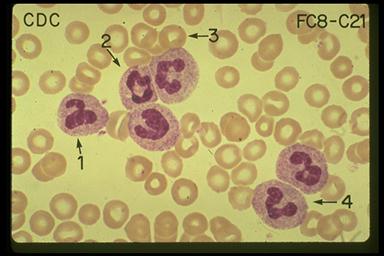
Marianela Castés nos señala que las emociones desbocadas y el estrés debilitan las defensas. El sistema defensivo se beneficia si el individuos viven sanamente sus emiciones y mantiene a raya el estrés. Por ejemplo, la fiebre es signo de que el cuerpo está respondiendo, porque a los 38 grado de temperatura los linfocitos pueden hacer mejor su tarea de defensa. La fiebre es mejor bajarla con métodos naturales, sólo si llega a 39 o más es necesario controlarla con medicamentos.
Ahora bien,cómo opera el sistema inmune. Esta doctora nos dice lo siguiente:
El cuerpo tiene la capacidad de reconocer entre 10 a 100 millones de agentes patógenos causantes de enfermedades. Ante cualquier enfermedad el cuerpo lo primero que hace es mandar a unos defensores simples a dar la primera pelea, o sea envía a los llamados NEUTROFILOS y también activa a los LINFOCITOS que son los que averiguan cómo matar a los invasores. En el proceso de defensa se liberan sustancias tóxicas y por eso es importante que los LINFOCITOS averiguen con percisión cuál es el elemento patógeno.
Si con los NEUTROFILOS el cuerpo no puede superar el primer ataque de la enfermedad, entonces los LINFOCITOS mandan a pelear a los MACROFAGOS que son mucho más potentes. Pero puede haber un siguiente nivel de peligrosidad bastante agresivo de una enfermedad y es cuando entran en acción los llamados NK ó Natural Killers que viene a ser como los "terminator" pues ellos son capaces de matar células tumorales con el apoyo de los Linfocitos.
Si una persona hace un esfuerzo imaginativo para concentrarse en curar su propia enfermedad, según el órgano afectado, es posible que esto sea efectivo para disminuir el estrés.
Lula desde Brasil...
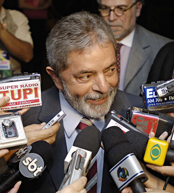
Lula advierte a Chávez que no afecte la democracia
El consejo en tono "cauteloso" habría ocurrido el pasado 18 de enero durante una reunión reservada que mantuvieron en Río de Janeiro ocho mandatarios suramericanos, en el marco de la 32 Cumbre de Jefes de Estado del Mercorsur, reseñó el diario O Estado de Sao Paulo y reseñado por la agencia DPA.
Luiz Inácio Lula da Silva le recomendó a Chávez "que evitara adoptar medidas que pudiesen debitar las instituciones democráticas en Venezuela".
Según el periódico brasileño, el presidente argentino Néstor Kirchner, también presente en el encuentro, habría intervenido para cuestionar a Chávez su decisión, anunciada días antes de la reunión, de nacionalizar los sectores de energía y telecomunicaciones del país.
Los anuncios del mandatario venezolano alarmaron a los inversionistas extranjeros al punto de, según el rotativo, obligar a Argentina a suspender la emisión de 500 millones de dólares en bonos de su deuda soberana.
Al parecer, la preocupación con las medidas anunciadas por Chávez y la necesidad de tomar distancia de ese tipo de actitud, habrían llevado a Lula da Silva a afirmar días después, durante un discurso pronunciado en ocasión del lanzamiento del Programa de Aceleración del Crecimiento (PAC), que "crecer en forma correcta es crecer manteniendo y ampliando
las libertades civiles y los derechos democráticos. (...) Aquí (en Brasil) no se crece sacrificando la democracia", aseguró.
De acuerdo con la versión periodística, Lula da Silva mantiene un discurso "ambivalente" con relación a Chávez, aprovechándose de la proximidad del "ídolo de la izquierda" para contrarrestar su condescendencia con el "neoliberalismo".
"Hasta aquí (Lula) consiguió sustentar la ambivalencia entre discurso y realidad".
(lo que no se dice es que el discurso "ambivalente" se debe también a que hoy Brasil es el país que más hace negocios en Venezuela e incluso después de USA es el país que más exporta bienes y servicios hacia Venezuela. Un país que importa el 60% de sus necesidades).
La penuria no come cable

Inside Telecom
La penuria no come cable
VÍCTOR SUÁREZ,
El Universal, 28/1/07
En dos años Cuba tendrá una conexión directa con Venezuela, vía cable submarino, para transmisión de voz, datos y video a alta velocidad.
Lo acaban de firmar el VP del Consejo de Estado Carlos Lage, uno de los sucesores locales de Fidel Castro, y su único sucesor internacional.
En todo caso, bienvenida Cuba a la civilización. Tras 49 años de revolución patria o muerte, venceremos, el modelo cubano ha sumido a sus ciudadanos en una terrible tiniebla: la desinformación y la incomunicación.
Con 11,2 millones de habitantes, el país tiene apenas una teledensidad de poco más de 6%, con 900 mil suscriptores en condición de dependencia de Etecsa, un operador único que es monopolio estatal. Los usuarios móviles en Cuba, operados por Cubacel, una extensión de Etecsa, llegan apenas a 140 mil. Se calcula que 130 mil personas tienen acceso a Internet, sólo a través de Etecsa.
Escombros
En telefonía básica, los cubanos han tenido que adoptar las mañas de las italianas holgazanas que utilizan cuerdas para bajar y subir las cestas en las que el tendero les coloca los panes y la leche todas las mañanas. Así hacen con los pocos teléfonos, que algunos revenden el acceso, y pasan el aparato de arriba abajo y de un lado a otro a cambio de una bola por la llamada.
Esa práctica contrarrevolucionaria compite con un servicio de Etecsa: "llamada de mensajero", según el cual la operadora de turno, sin compromiso de su parte y si las circunstancias lo permiten, tratará de localizar a la persona deseada a través de un mensajero habilitado que sale corriendo a buscarla.
En llamadas internacionales también funciona. Si Lars, en Estocolmo, quiere hablar con su fugada hija Brita, la operadora de turno que sabe dónde se encuentra cada quien en la Isla, la localiza y se establece la comunicación. Eso, por supuesto, genera un cargo adicional.
En Internet los cubanos también se las han tenido que arreglar. Hay un mercado negro de cuentas de acceso y de correos. Lázaro adquiere un login legal por un manojo de pesos y lo alquila.
Para los clientes que no tienen discado directo internacional se ofrece el servicio de Cobro Revertido con unos 14 países, entre los que no se encuentra Venezuela. Las llamadas internacionales se cobran en lo que llaman Moneda de Libre Convertibilidad. El minuto para América del Sur cuesta 3,25 dólares.
En 2005 comenzaron a desplegar telefonía fija inalámbrica (35.000 teléfonos en 113 municipios). En 2006 pensaban colocar "más de cien mil equipos de telefonía fija alternativa para llegar a lugares de difícil acceso", según el otro diario oficial Juventud Rebelde.
Es posible conocer la hora exacta del día, por 5 centavos de dólar, si se está abonado a las centrales de Camagüey, Santiago de Cuba y Holguín.
Para agencias de prensa y eventos internacionales, Etecsa brinda la posibilidad de realizar transmisiones y recepciones de televisión en banda C y Ku, a través de acuerdos con Intelsat, Panamsat, SatMex 5, NewSkies e Intersputnik. Para ello maneja dos telepuertos. Para datos, Etecsa ofrece servicios de redes Frame Relay y X.25.
Móviles para las élites
Los servicios móviles están pensados para el turista y para los subsidiados funcionarios gubernamentales. Cubacel ofrece servicios de telefonía celular con cobertura nacional en las normas GSM (banda 850/900 MHz) y TDMA (banda 800 MHz). GSM, con 51 radiobases, ha sido activada recientemente y está disponible en La Habana, Varadero, y los Cayos Coco y Guillermo, zonas turísticas.
En prepago, una llamada de móvil a móvil cuesta 0,50 dólares el minuto, si la emites, pero si la recibes el minuto cuesta $0,44. Es decir, casi un dólar por minuto factura Cubacel. De móvil a fijo, su ingreso por minuto es de $1,04. La activación de la línea cuesta 120 dólares, es decir, cinco meses de salario promedio.
En pospago, los planes cuestan entre $45 y $400, con un rango de minutos incluidos que van desde 120, en un extremo, y 1.300 en el otro. Un SMS local cuesta $0,16, mientras que el internacional está redondeado en un dólar. La gran novedad de la mensajería multimedia (texto, sonido y fotos) cuesta $0,60 cada vez que se intenta, sin garantía de que acertarás a la primera.
Internet para las élites
Es difícil conectarse a Internet legalmente, y mucho más subrepticiamente. Internet ha sido decretada actividad estratégica de seguridad nacional.
El candidato a suscriptor (usualmente la élite gobernante y algunas entidades extranjeras) debe presentar acreditación ineludible (Resolución de creación de la entidad o Registro en la Cámara de Comercio, o registro en el Ministerio de Inversión Extranjera-Zonas Francas), acreditación de quien solicita el servicio (Resolución de nombramiento, poder, acta de protocolización que certifiquen debidamente al representante legal de la entidad jurídica) y, en caso de una institución cubana, autorización del jefe del organismo a la que pertenece si ésta es mixta o totalmente mixta y/o cubana.
Según informe de Reporteros Sin Fronteras, para conseguir la acreditación obligatoria de acceso a Internet, o utilizar los puntos de acceso abiertos al público, los cubanos tienen que dar una "razón válida" y firmar un contrato de utilización, con cláusulas restrictivas. Igual que para el teléfono, el procedimiento requiere el acuerdo de Etecsa, y después el de una comisión local dependiente del Comité de Defensa de la Revolución, que evalúa los méritos del demandante.
Los equipos necesarios sólo están disponibles en almacenes del Estado, a los que únicamente pueden acceder las personas autorizadas. Además, en enero de 2002 el Ministerio de Comercio Interior prohibió la venta a los particulares, en los almacenes del Estado, "de ordenadores, impresoras, multicopistas, fotocopiadoras y cualquier otro instrumento de impresión
masiva". Antes de esa fecha ya estaba prohibida la venta de modems al público.
Pero Cuba le lleva muchos años de ventaja a Venezuela en concentración. El 13 de enero de 2000 fue creado el Ministerio de Informática y Comunicaciones para "regular, dirigir, supervisar y controlar la política cubana en materia de tecnologías de la comunicación, la informática, las telecomunicaciones, las redes informáticas, la radiodifusión, el espectro radioeléctrico, los
servicios postales y la industria electrónica". El 8 de enero de 2007 fue creado aquí el calco correspondiente.
Eso de "bienvenida Cuba a la civilización" siempre quedará en ilusión, pues una vez construido el cable submarino de 1.552 kilómetros en 2009, ¿quiénes lo usarán allá? Los mismos que han mantenido a los cubanos en absoluta y antihistórica penuria comunicacional. La tubería modélica parece venir de allá para acá, con cargo adicional
El perdón salva al corazón
El perdón salva al corazón por ser el mejor antihipertensivo
Si bien perdonar no implica reconciliarse con el ofensor, sí exige despojarse de todo tipo de resentimiento (AP)
Quedarse con la rabia equivale a aumentar riesgosamente la presión arterial
DANIEL RICARDO HERNÁNDEZ
EL UNIVERSAL
La rabia "desarrolla calcio en las arterias coronarias, dispara las arritmias, sube el colesterol malo y baja el bueno; además sube la presión arterial", dice el doctor Iván Mendoza, jefe de Cardiología del Instituto Urológico y profesor jefe de Cardiología Experimental del Instituto de Medicina Tropical de la Universidad Central de Venezuela (UCV), quien además destaca que el mejor antídoto contra ese amargo sentimiento no está disponible comercialmente, "pero es gratis, no tiene efectos secundarios y no es otro que el perdón".
Según el cardiólogo, "el perdón es el sentimiento de paz que nace cuando el dolor, sea cual sea su origen, se deja de tomar personalmente; es la supresión del resentimiento pero no implica aceptar la crueldad ni olvidar lo sucedido ni tampoco reconciliación con el ofensor". Esta herramienta, considerada por Mendoza como "el mejor antihipertensivo", bien puede servir para atenuar el tránsito de situaciones recientes que puedan resultar adversas para algunas personas como la muerte del ex dictador chileno Augusto Pinochet, cuyos detractores lamentan que haya fallecido sin recibir el castigo por los supuestos excesos que en vida cometió en su país.
"No perdonar es vivir con resentimiento y aferrarse al pasado -explica el galeno-. Si no se perdona aumenta el riesgo de enfermedades del corazón y de cáncer; por si fuera poco, perpetúa el daño sufrido. Además, vivir con rabia ha aumentado en siete veces la mortalidad de personas que han sufrido infartos".
Oxígeno cerebral
El especialista de Instituto Urológico destaca que los beneficios del perdón están comprobados científicamente en diversos estudios a escala mundial, siendo uno de ellos el bautizado "Ritmo circadiano de la muerte súbita en Venezuela" que se hizo merecedor del primer lugar del Premio Nacional de Investigación en el área de Cardiología, de la Sociedad Venezolana de Cardiología: "Se ha demostrado que (el perdón) baja la frecuencia respiratoria, mejora la cardiaca, tumba la presión arterial y aumenta la cantidad de oxígeno que va hacia el cerebro".
Mendoza aclara que "la idea no es ir a abrazar a la persona que me ofendió; lo primero que hay que hacer es perdonar de corazón y para ello lo preciso es identificar la base del problema, qué fue lo que ocasionó la rabia, calmarse, tomar tres respiraciones, contar hasta diez, imaginar algo bueno, salir a caminar, reírse de sí mismo, confrontar la situación después de unos momentos, pensar en las consecuencias antes de actuar, asumir las responsabilidades y luego perdonar". Y subraya que hacerlo "nunca excusa el mal comportamiento, pero sí salva al corazón".
Las escalas de la rabia
Según Mendoza, un estudio de EEUU estableció una escala de rabia, que se va incrementando a medida que se prescinde del perdón como tabla de salvación: "La medida va del uno al siete; el número cuatro es cuando a la persona le cambia la voz y está moderadamente disgustada pero no grita; el cinco es cuando está enojada y tensa, aprieta los puños y dedos; el número seis corresponde a la persona que ya está furiosa, golpea una mesa o empuja las puertas; en el número siete ya hay pérdida del control y la persona se puede lastimar a sí mismo y a los demás; tanto en seis como en siete la persona puede morir".
Lupa a la salud cardiovascular
Según el cardiólogo Iván Mendoza, 1 de cada 300 personas mueren por cáncer; pero 1 de cada 3 fallece por enfermedad cardiovascular, de las cuales 90% sufrieron enfermedad coronarias, muchas de ellas generadas por estados de tensión que no dieron cabida al perdón.
Tan efectivo como el perdón es el rezar un rosario, para salvar al corazón. Mendoza asegura que no importa cuál sea el credo de la persona, el llevar a cabo esta actividad "es una práctica de salud".
Para las mujeres el perdón es vital, no sólo porque tienden a ser el principal objetivo de las injusticias, sino porque también los infartos son la primera causa de muerte para la población femenina; además son las más vulnerables a los casos de muerte súbita, causados por ataques de rabia.
El perdón es visto como el antídoto número uno para la vitalidad y el optimismo.
El perdón también es reconocido como uno de los sentimientos más sublimes que pueda experimentar una persona, al punto que es común escuchar a personas que disculpan en lugar de perdonar por considerar a éste un privilegio que sólo concede el Ser Superior, de acuerdo con la religión de cada quien.
No sería por todo esto que se pudo diseñar esta Hoja Web espectacular:
UNA HOJA SOBRE EL TURISMO EN CHILE
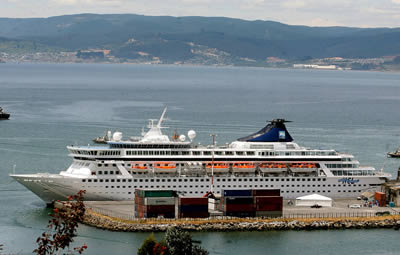
Si hacen click arriba encontrarán la Hoja Web Chile Trips. Los cruceros por los lagos del sur y otras propuestas para un turismo chileno. No hay duda que este tipo de turismo o más bien de excursionismo (porque se pernocta en el buque) debe ser muy placentero y seguramente está orientado para posicionarse ne una clase media más o menos pudiente, especialmente si se agrega al coste el pasaje aéreo de ida y vuelta para poder llegar al puerto de embarque y desembarque.
10 most polluted places
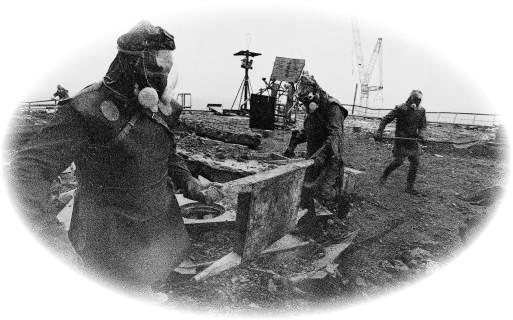
Jan 29 (Reuters) - Below are the world's 10 most polluted places listed, according to the Blacksmith Institute, a New York-based nonprofit group.
Blacksmith did not rank them, as complete health records from some developing countries were not available.
The list, which Blacksmith said it plans to issue annually, was compiled with help from specialists at Harvard University, Johns
Hopkins University, Hunter College, India's ITT, University of Idaho, Mt. Sinai Hospital and environmental remediation companies.
Chernobyl, Ukraine
Dzerzhinsk, Russia
Haina, Dominican Republic
Kabwe, Zambia
La Oroya, Peru
Linfen, China
Mailuu-Suu, Kyrgyzstan
Norilsk, Russia
Ranipet, India
Rudnaya Pristan, Russia
(Compiled by Paul Grant in Washington)
domingo, enero 28, 2007
Dra. Liliana Szabo: el corazon no tiene cancer

"El Corazón Tiene Razones.
que La Razón No Comprende"
Por
Dra. Liliana Szabó.
La semana pasada, mientras iba manejando camino al consultorio en uno de esos tan preciados momentos de estar a solas, poner el "piloto automático" y dejar que la mente vaya hacia donde quiera que desee ir, escuché al azar en la radio que "el corazón nunca tiene cáncer".
Este comentario, que alcancé a registrar como figura destacada sobre un fondo indefinido al que no le estaba prestando atención, me golpeó de frente como un cachetazo.
¿Cómo puede ser que en tantos años de estudiar y luego ejercer la medicina, jamás me haya dado cuenta de algo aparentemente tan obvio?, ya que es prácticamente el único órgano, además de los vasos sanguíneos que no recuerdo haber visto en ningún libro de patología oncológica. Y a partir de allí el viaje en auto se transformó en un viaje al mundo de la
pregunta: ¿ porqué ni el corazón ni los vasos sanguíneos desarrollan procesos malignos?
Personalmente visualizo al cáncer como una especie de "bolsa de basura" que el organismo produjo y no llegó a sacar a la vereda a tiempo antes de que pase el camión recolector.
Desde mi punto de vista absolutamente personal y entrando en el puro campo de la teoría y la imaginación, si el lector me lo permite, visualizo al ser humano produciendo constantemente deshechos físicos, psíquicos, emocionales y mentales.
¡Cuántos pensamientos inútiles pueblan constantemente nuestra mente! Nos preocupamos por anticipado por cosas que probablemente no ocurrirán jamás, quedamos anclados en alguna idea fija acerca de algo poco importante (como por ejemplo si la vecina dejó de saludarnos porque no nos vio o porque nos ignoró), damos vueltas una y otra vez a los mismos viejos temas del pasado y de esta forma les damos vida haciéndolos innecesariamente presentes.
Nos contaminamos a nosotros mismos con emociones dañinas que aún no hemos aprendido a equilibrar. Dejamos que el enojo nos queme en su fuego destructivo, permitimos que el miedo nos paralice, que el resentimiento nos reseque de a poco, le damos la bienvenida a los celos, navegamos en la envidia (y nos regodeamos de ello).
Nuestras creencias añejas y a veces inservibles nos hunden en problemas que podríamos superar fácilmente si fuéramos capaces de movernos de nuestro cómodo lugar del "yo soy así y no voy a cambiar".
Toda esta "basura" mental, emocional y psíquica, que parece no tener masa ni peso, de a poco se va compactando y pasa de ser una energía sutil e invisible, a ser una energía sólida y física. Y entonces aparecen los síntomas en nuestro cuerpo. Se acumulan células anormales en algún lugar y el diagnóstico nos hace entrar en pánico porque creemos que "algo maligno"
nos está atacando de afuera, sin darnos cuenta de que nosotros mismos hemos ido creando el "monstruo" lentamente. Lo hemos creado día a día con nuestra forma de pensar, con nuestra manera de conectarnos con la vida y con las demás personas, lo hemos diseñado paso a paso con el trato que nos hemos dado a nosotros mismos.
El corazón está en constante movimiento. Sístole y diástole están en total armonía y perfecta sincronización: un tiempo para trabajar y otro para descansar. Pero el resultado final es un constante fluir de sangre que nos da nada menos que la vida. Tal vez por eso no es capaz de acumular "basura". No se detiene a pensar si el glóbulo rojo que está pasando en ese momento por sus cavidades es mejor o peor que el que pasó antes. Deja que todo lo que le llega circule permanentemente. No se adhiere a nada. Me gustaría decir que tiene una "actitud zen" en su continuo fluir y dejar ser.
¿Por qué no aprender de nuestro propio corazón?. Podríamos, por ejemplo, ocuparnos solo de lo que nos llega en cada momento, sin intentar retenerlo ni apropiarlo ni acumularlo. Podríamos aprender a limpiar nuestro desván de
ideas para mantenerlo siempre abierto a lo nuevo, a lo fresco. Podríamos reconocer nuestras emociones para mejorarlas lo antes posible.
Tal vez así, como nuestro corazón, no seríamos capaces de desarrollar enfermedades malignas. Con el remedio homeopático podemos abrir la ventana que nos ayude a ventilar lo que hace mucho tiempo que no limpiamos. Un buen medicamento bien elegido a veces deshace en poco tiempo emociones que hace años estamos intentando dominar y que nos enferman. De esta forma nos abre el camino a cualquier otro tipo de terapia y autoconocimiento que deseemos elegir.
Nuestros niños a veces desarrollan cáncer y siempre me he preguntado el porqué. No tengo una respuesta clara, pero teniendo en cuenta mis razonamientos previos, creo que si en la familia, en la escuela y en la comunidad en general, los ayudamos a metabolizar sus emociones y experiencias con amor, vamos a ejercer una prevención considerable.
Seamos como nuestros corazones: nademos con la corriente del río de nuestras experiencias sin aferrarnos a ninguna.
The Economist- Intelligence Unit
Alert - Risk on the rise as ‘revolution' deepens
We have made extensive changes to our risk scores for Venezuela following a recent review of the operating risk model. There are no upgrades in any category, but eight scores have been downgraded in light of recent events.
The security risk category has seen its score rise from 61 to 64, where a score of 100 represents the highest level of risk. An adjustment to the indicator for hostility to foreigners and private property accounts for this change. This reflects a growing hostility on the part of the ruling political class towards private ownership, but not broad public support for such a position. However, as the rhetoric increases, public sentiment may shift.
Our score for government effectiveness has been raised from 86 to 96. There are three factors which have contributed to this. Government policy is now becoming explicitly and vociferously anti-private sector.
The opportunities for cronyism are increasing and enforcement is becoming non-existent in practice. And finally there are few safeguards or sanctions against corrupt officials which is exacerbated by a distinct lack of checks and balances. In many cases they are only accountable to the executive.
The risks for legal and regulatory issues are also numerous in Venezuela. The likelihood of confiscation and expropriation is
increasing as the government has announced the nationalisation of CA Nacional Telefonos de Venezuela(CANTV), the country’s major telecoms company. There is a high possibility of future nationalisations.
However, there is no indication as yet as to how this might occur and what level of compensation, if any, there may be. Unfair competitive practices have also registered on this downgrade. Strictly speaking, competition legislation does exist. However, current government policy is moving in direct opposition to it. To make matters worse, the government has significant influence over the relevant enforcement agencies which are essentially powerless.
The protection for private property is extremely low. Companies in a growing number of sectors could be under threat because of this. And their positions are dependent on increasingly arbitrary policy decisions of the government. It has stated that it would like to move eventually towards predominantly state ownership, although this is certainly not the reality at the moment. Our downgrade also rests on the likelihood of further price controls in the future. They would almost certainly be
extended in times of crisis. This brings our total score for the legal and regulatory risk category to 83, up from 73 previously. It also pushes the category into the very high-risk “E” band rating.
Our score for the macroeconomic risk category has also been downgraded, from 50 to 65, which moves it from the moderate-risk “C” band rating into the high-risk “D” band rating. The risk of volatility in the black market exchange rate has increased as expansionary fiscal policy and exchange controls combine to create huge pressures on prices and imports. Based on reliable forecasts, the chance for interest rate volatility has also increased.
We have downgraded the score for the foreign trade and payments risk from 71 to 75 after the fall of financial markets on the announcement of CANTV’s nationalisation. Exchange controls are likely to be tightened in response to possible capital flight and as a policy of import substitution.
Due to steadily falling oil prices there is also an increasing possibility of devaluation of around 15% (which is still below
inflation) in the first half of 2007, although this is still not our baseline forecast. A larger devaluation would become more likely only in the event of a sharp and sustained drop in the Venezuelan basket to below US$40/barrel, combined with a collapse in private investment. In light of this, our score for the financial risk category has been downgraded from 63 to 71.
The possibility of discriminatory taxes has also increased. The government may put a greater tax burden on some firms in certain “strategic” sectors as an alternative to nationalisation. Consequently, our score for tax policy risk has been
downgraded from 75 to 81 which also pushes it into the very high-risk “E” band rating.
The final downgrade was influenced by the Venezuelan government setting the national minimum wage without any reference to productivity. There may also be a possibility of broader wage controls in the future. This has prompted the downgrading of our score for labour market risk from 64 to 68.
The score for Venezuela’s overall assessment has itself risen from 67 to 73, but the country has not moved out of the high-risk “D” rating band.
Current Previous
R I S K C A T E G O R Y
Rating Score Rating Score
OVERALL ASSESSMENT D 73 D 67
Security risk D 64 D 61
Political stability risk D 65 D 65
Government effectiveness risk E 96 E 86
Legal & regulatory risk E 83 D 73
Macroeconomic risk D 65 C 50
Foreign trade & payments risk D 75 D 71
Financial risk D 71 D 63
Tax policy risk E 81 D 75
Labour market risk D 68 D 64
Infrastructure risk C 59 C 59
Podemos revisar también el diario digital El Economista de México:
HACER CLIK AQUI
We have made extensive changes to our risk scores for Venezuela following a recent review of the operating risk model. There are no upgrades in any category, but eight scores have been downgraded in light of recent events.
The security risk category has seen its score rise from 61 to 64, where a score of 100 represents the highest level of risk. An adjustment to the indicator for hostility to foreigners and private property accounts for this change. This reflects a growing hostility on the part of the ruling political class towards private ownership, but not broad public support for such a position. However, as the rhetoric increases, public sentiment may shift.
Our score for government effectiveness has been raised from 86 to 96. There are three factors which have contributed to this. Government policy is now becoming explicitly and vociferously anti-private sector.
The opportunities for cronyism are increasing and enforcement is becoming non-existent in practice. And finally there are few safeguards or sanctions against corrupt officials which is exacerbated by a distinct lack of checks and balances. In many cases they are only accountable to the executive.
The risks for legal and regulatory issues are also numerous in Venezuela. The likelihood of confiscation and expropriation is
increasing as the government has announced the nationalisation of CA Nacional Telefonos de Venezuela(CANTV), the country’s major telecoms company. There is a high possibility of future nationalisations.
However, there is no indication as yet as to how this might occur and what level of compensation, if any, there may be. Unfair competitive practices have also registered on this downgrade. Strictly speaking, competition legislation does exist. However, current government policy is moving in direct opposition to it. To make matters worse, the government has significant influence over the relevant enforcement agencies which are essentially powerless.
The protection for private property is extremely low. Companies in a growing number of sectors could be under threat because of this. And their positions are dependent on increasingly arbitrary policy decisions of the government. It has stated that it would like to move eventually towards predominantly state ownership, although this is certainly not the reality at the moment. Our downgrade also rests on the likelihood of further price controls in the future. They would almost certainly be
extended in times of crisis. This brings our total score for the legal and regulatory risk category to 83, up from 73 previously. It also pushes the category into the very high-risk “E” band rating.
Our score for the macroeconomic risk category has also been downgraded, from 50 to 65, which moves it from the moderate-risk “C” band rating into the high-risk “D” band rating. The risk of volatility in the black market exchange rate has increased as expansionary fiscal policy and exchange controls combine to create huge pressures on prices and imports. Based on reliable forecasts, the chance for interest rate volatility has also increased.
We have downgraded the score for the foreign trade and payments risk from 71 to 75 after the fall of financial markets on the announcement of CANTV’s nationalisation. Exchange controls are likely to be tightened in response to possible capital flight and as a policy of import substitution.
Due to steadily falling oil prices there is also an increasing possibility of devaluation of around 15% (which is still below
inflation) in the first half of 2007, although this is still not our baseline forecast. A larger devaluation would become more likely only in the event of a sharp and sustained drop in the Venezuelan basket to below US$40/barrel, combined with a collapse in private investment. In light of this, our score for the financial risk category has been downgraded from 63 to 71.
The possibility of discriminatory taxes has also increased. The government may put a greater tax burden on some firms in certain “strategic” sectors as an alternative to nationalisation. Consequently, our score for tax policy risk has been
downgraded from 75 to 81 which also pushes it into the very high-risk “E” band rating.
The final downgrade was influenced by the Venezuelan government setting the national minimum wage without any reference to productivity. There may also be a possibility of broader wage controls in the future. This has prompted the downgrading of our score for labour market risk from 64 to 68.
The score for Venezuela’s overall assessment has itself risen from 67 to 73, but the country has not moved out of the high-risk “D” rating band.
Current Previous
R I S K C A T E G O R Y
Rating Score Rating Score
OVERALL ASSESSMENT D 73 D 67
Security risk D 64 D 61
Political stability risk D 65 D 65
Government effectiveness risk E 96 E 86
Legal & regulatory risk E 83 D 73
Macroeconomic risk D 65 C 50
Foreign trade & payments risk D 75 D 71
Financial risk D 71 D 63
Tax policy risk E 81 D 75
Labour market risk D 68 D 64
Infrastructure risk C 59 C 59
Podemos revisar también el diario digital El Economista de México:
Suscribirse a:
Entradas (Atom)