Electronic Voting Vulnerable to Fraud
The Venezuelan referendum of Aug 15, 2004, illustrates the dangers of this polling method
Published 2006-08-05 18:00 (KST)
There is no doubt that the "old-fashioned" ballot box system is a far better way to collect votes than the newer electronic method. In fact electronic voting is very dangerous and harmful to any country that desires transparency in its final results.
There is already sufficient evidence that electronic voting is an evil solution. Its use in various states of the U.S.A. has given rise to fraud, likewise in Venezuela and the recent election in Mexico, where doubts about the transparency of the results have led to political quarrels.
Research carried out in Venezuela revealed several ways in which electronic voting can cause problems. The research was carried out at the time of the recall referendum of the mandate of Hugo Chavez, president of Venezuela, on Aug 15 2004.
The research showed that the purchase of an automated voting system is in violation of Venezuelan law, which specifies that voting should be manual and secret.
The automated voting system's software was not updated in such a way that would have guaranteed their operation only by authorized personnel. The software was not adequately tested and it was found that it could be interfered with, so that a vote for candidate A could be assigned to candidate B.
It was also found that the electronic equipment was not adequately tested. Unsupervised soldiers were allowed to transfer the equipment from one place to another and there were no safeguards against interference by other people.
There was a fingerprint capture system that was used to identify voters. This meant that votes were not secret and people voting for the opposition could later find that they were discriminated against. During the recall petition the database "remembered" the voters' previous decisions and this enabled the manipulation of the flow of voters.
When the votes were audited a random sample was not selected, instead the selection was manipulated.
Voting information was also allowed to pass through intermediaries, allowing for further manipulation, before arriving at the principal center.
©2006 OhmyNews
Other articles by reporter Alfredo Ascanio
sábado, agosto 05, 2006


viernes, agosto 04, 2006
An Interview with Dan Gillmor
Entrevista realizada por María P. sandoval Campos para OHMYNEWS International Citizen Reporters:
The Internet is becoming more and more interactive. Thanks to blogs, wikis, citizen newspapers and other Websites there are now many places were users can produce content.
These instances have been dubbed Web 3.0.
Web 1.0 and Web 2.0 consisted of flat texts, among them the faithful transcriptions of newspapers without a greater development of design or updates.
Web 3.0 recognizes the amazing possibility of including multimedia within the stories.
I decided to discuss this phenomenon further with Dan Gillmor, founder and director of Citizen Media, an initiative to heighten and extend grassroots journalism.
His book We, the Media is a well known publication among those interested in grassroots journalism.
I spoke to Mr Gillmor at the OhmyNews International Citizen Reporters' Forum in Seoul in July 2006.
What do you say to people who say that blogs and citizen journalism are just a passing fad?
There is always a lot of interest in something new, and then people wonder if it is a fad. I don't think this is the case with blogging or citizen journalism. Many bloggers do stop after a while, but many more take up blogging. Citizen journalism is very new, meanwhile; we are only just beginning to figure out how it will work.
What are the strong and weak points of citizen journalism?
The strongest point is that there is no barrier to entry. Anyone can try it, and when a large number of people try anything we always find at least a few who do it well. Citizen journalists are covering topics that traditional media organizations don't cover, which means we get more journalism about "niche" topics.
The weakest point is that there are key principles in quality journalism, and not every citizen journalist either knows what they are or cares. We need to find ways to bring the high-quality material to the surface.
What is the role of journalism?
The most important role of journalism in any society is to have a better informed citizenry, so people can make better decisions about their lives and the course of their societies.
Has the population fully understood the power they have in the new Internet reality?
No, we're not even close to achieving this. It will take many years, perhaps decades, before we understand the medium well enough, and have good enough tools, to organize ourselves as we should. Collaboration and communication are the essential values of the Net, in my view.
There is a digital divide between the countries that are developed and those that are not. Is this digital divide also visible in Internet content too and the use of the Net for citizen journalism?
Technological improvements will make the hardware affordable for an increasing percentage of humanity. Someday, the $100 Internet computer will be an expensive device, not a goal that sounds inexpensive.
But the divide will exist as long as some societies have no access to modern technology, but more important is the gap between those who don't struggle every day to survive and those who must. We have bigger problems on the planet than access to the Net.
The Internet is becoming more and more interactive. Thanks to blogs, wikis, citizen newspapers and other Websites there are now many places were users can produce content.
These instances have been dubbed Web 3.0.
Web 1.0 and Web 2.0 consisted of flat texts, among them the faithful transcriptions of newspapers without a greater development of design or updates.
Web 3.0 recognizes the amazing possibility of including multimedia within the stories.
I decided to discuss this phenomenon further with Dan Gillmor, founder and director of Citizen Media, an initiative to heighten and extend grassroots journalism.
His book We, the Media is a well known publication among those interested in grassroots journalism.
I spoke to Mr Gillmor at the OhmyNews International Citizen Reporters' Forum in Seoul in July 2006.
What do you say to people who say that blogs and citizen journalism are just a passing fad?
There is always a lot of interest in something new, and then people wonder if it is a fad. I don't think this is the case with blogging or citizen journalism. Many bloggers do stop after a while, but many more take up blogging. Citizen journalism is very new, meanwhile; we are only just beginning to figure out how it will work.
What are the strong and weak points of citizen journalism?
The strongest point is that there is no barrier to entry. Anyone can try it, and when a large number of people try anything we always find at least a few who do it well. Citizen journalists are covering topics that traditional media organizations don't cover, which means we get more journalism about "niche" topics.
The weakest point is that there are key principles in quality journalism, and not every citizen journalist either knows what they are or cares. We need to find ways to bring the high-quality material to the surface.
What is the role of journalism?
The most important role of journalism in any society is to have a better informed citizenry, so people can make better decisions about their lives and the course of their societies.
Has the population fully understood the power they have in the new Internet reality?
No, we're not even close to achieving this. It will take many years, perhaps decades, before we understand the medium well enough, and have good enough tools, to organize ourselves as we should. Collaboration and communication are the essential values of the Net, in my view.
There is a digital divide between the countries that are developed and those that are not. Is this digital divide also visible in Internet content too and the use of the Net for citizen journalism?
Technological improvements will make the hardware affordable for an increasing percentage of humanity. Someday, the $100 Internet computer will be an expensive device, not a goal that sounds inexpensive.
But the divide will exist as long as some societies have no access to modern technology, but more important is the gap between those who don't struggle every day to survive and those who must. We have bigger problems on the planet than access to the Net.
miércoles, agosto 02, 2006
The Map of Happiness
The Map of Happiness
British professor publishes study of global happiness
Andre Hillenbrand (NumberOne)
Published 2006-08-02 06:38 (KST) 230 years after John Locke and Adam Smith guaranteed the American people the right to the pursuit of happiness in the Declaration of Independence, a global study of happiness has finally appeared.
Conducted by Adrian White, a psychologist at the University of Leicester, U.K., the study has resulted in a world map of happiness. The British psychologist analysed data published by the CIA, UNESCO, the WHO and several other organizations measuring data from over 80,000 people worldwide.
And the winner is... Denmark.
World's Happiest Nations
1) Denmark
2) Switzerland
3) Austria
4) Iceland
5) Bahamas
6) Finland
7) Sweeden
8) Bhutan
9) Brunei Darussalam
10)Canada
This comes as quite a surprise for most people, since the country in northern Europe is widely known for its high suicide rate. The other Scandinavian countries, score very well, too, though they all have a relatively mild climate and long winters.
Canada also hosts a significant 10th place, though the country suffers from the same phenomenon as the Scandinavian countries. All in all, the inhabitants of countries with a cold climate are surprisingly very happy.
But there is one big exception: Russia. It comes in at 167 and is thus one of the world's unhappiest nations.
So what about the United States, the country, where the pursuit of happiness is written into the constitution? Americans can consider themselves very happy people, too. The world's most powerful country ranks 23rd of the 178 countries listed in the survey. Moreover, other studies found that Republicans are generally happier than Democrats.
Another surprise: The notoriously "depressive" Germans are the world's 35th happiest people, though they steadily head in their holidays to Italy, partly because of the kind and happy Italians, who as a matter of fact rank only 50th on the list, which is still relatively high.
The home-country of Adrian White, Great Britain hosts a good 41st place.
Capitalism can also be seen as a reliable factor of happiness. Communist countries, such as China (82nd), Cuba (83rd) and Russia rank poorly.
Moreover, according to the British study, Asian countries are generally among the least happy nations. Japan is only in 90th place. You might explain this because most Japanese people work long hours and often live in big polluted cities.
Looking at the map you can also see that the rich continents, Northern America, Europe and Australia (26th) are usually happy.
They are closely followed by the less rich, but much sultrier inhabitants of South America. Sadly, the world's poorest continent, Africa, is also the world's least happy.
©2006 OhmyNews
by Andre Hillenbrand
Vamos a conocer ael Reino de BHUTAN y también el
SULTANATO de BRUNEI
British professor publishes study of global happiness
Andre Hillenbrand (NumberOne)
Published 2006-08-02 06:38 (KST) 230 years after John Locke and Adam Smith guaranteed the American people the right to the pursuit of happiness in the Declaration of Independence, a global study of happiness has finally appeared.
Conducted by Adrian White, a psychologist at the University of Leicester, U.K., the study has resulted in a world map of happiness. The British psychologist analysed data published by the CIA, UNESCO, the WHO and several other organizations measuring data from over 80,000 people worldwide.
And the winner is... Denmark.
World's Happiest Nations
1) Denmark
2) Switzerland
3) Austria
4) Iceland
5) Bahamas
6) Finland
7) Sweeden
8) Bhutan
9) Brunei Darussalam
10)Canada
This comes as quite a surprise for most people, since the country in northern Europe is widely known for its high suicide rate. The other Scandinavian countries, score very well, too, though they all have a relatively mild climate and long winters.
Canada also hosts a significant 10th place, though the country suffers from the same phenomenon as the Scandinavian countries. All in all, the inhabitants of countries with a cold climate are surprisingly very happy.
But there is one big exception: Russia. It comes in at 167 and is thus one of the world's unhappiest nations.
So what about the United States, the country, where the pursuit of happiness is written into the constitution? Americans can consider themselves very happy people, too. The world's most powerful country ranks 23rd of the 178 countries listed in the survey. Moreover, other studies found that Republicans are generally happier than Democrats.
Another surprise: The notoriously "depressive" Germans are the world's 35th happiest people, though they steadily head in their holidays to Italy, partly because of the kind and happy Italians, who as a matter of fact rank only 50th on the list, which is still relatively high.
The home-country of Adrian White, Great Britain hosts a good 41st place.
Capitalism can also be seen as a reliable factor of happiness. Communist countries, such as China (82nd), Cuba (83rd) and Russia rank poorly.
Moreover, according to the British study, Asian countries are generally among the least happy nations. Japan is only in 90th place. You might explain this because most Japanese people work long hours and often live in big polluted cities.
Looking at the map you can also see that the rich continents, Northern America, Europe and Australia (26th) are usually happy.
They are closely followed by the less rich, but much sultrier inhabitants of South America. Sadly, the world's poorest continent, Africa, is also the world's least happy.
©2006 OhmyNews
by Andre Hillenbrand
Vamos a conocer a
martes, agosto 01, 2006
Cuba:new power and new uncertainty

Cuba, the only communist country of Latin America has been governed for more than 40 years by only one president: Fidel Castro.
Today Fidel Castro, 80 years old and in delicate health, has transferred the powers to his brother
The Cuban revolution began in the year 1959, and since 1962 the U.S. organized a commercial blockade, while the government of the island sought the support of the USSR.
Since the USSR has disappeared, the government of Castro has intensified its actions against its political adversaries, and even also against some collaborators who are viewed as too moderate, such as former Foreign Minister Roberto Robaina.
The government condemned the opposition and arrested 74 dissidents, which was criticized by the European Union (E.U.).
The governments of Brazil and Venezuela financially support the Cuban government, as has China since the visit of the President Hu Jintao in the year of 2004.
An analysis of the actions of the Cuban government turns up the following keywords: revolution, repression, prison sentence, sanctions, embargoes, and dissident. Now the key question is, with Raul Castro will these intolerant words continue appearing, or will there be changes?
The future of Cuba is uncertain, because first one must evaluate the new functions of Raul Castro (the brother).
Nevertheless, Fidel's illness is big news, and almost all the newspapers and TV channels are closely following this political drama.
©2006 OhmyNews
by Alfredo Ascanio
Un artíoculo muy largo pero muy completo acerca de Fidel,la revolución y los grupos de apoyo, y escrito NEW YORKER por Jon Lee Anderson con el título : can the revolution outlive its leader? (Podrá la revolución sobrevivir a sus líderes? ) aparece en seguida:
La revista cultural AGULHA del Brasil
La revista digital AGULHA (Aguja) que viene del brasil toca una gran variedad de temas y además ve conecta con 35 revistas digitales del continente.
miércoles, julio 26, 2006
lunes, julio 24, 2006
Un pequeño ensayo de colores multiples
Los colores de mi hijo
Indira Páez
Yo nací en una casa de lo más multicolor. Y no, no me refiero a las paredes. Esas eran blancas, como las de cualquier casa de Puerto Cabello en los setenta. Mi casa era multicolor por dentro. Y es que mi mamá es de piel tan clara, que sus hermanos la bautizaron “rana platanera”. Y mi papá era de un trigueño agresivo, con bigote de charro, sonrisa de Gardel y cabello ensortijado, estirado a juro con brillantina. La vejez lo ha desteñido, a mi papá. Como si la melanina se acabara con el tiempo. Como si los años fueran de lejía.
De esa mezcla emulsionada salimos nosotros, cinco hermanos de lo más variopintos. Mi hermano mayor, vaya usted a saber por qué, parece árabe. Ojos penetrantes, nariz aguileña, frente amplia y cabello rizado (cuando existía, pues ahora ostenta una calvicie de lo más atractiva). Le sigue una hermana preciosa, nariz perfilada, pecas, ojos inmensos, sonrisa como mandada a hacer. Castaña clara y de cabello cenizo. Se ayuda con Kolestone, vamos a estar claros. Pero le queda tan bien que parece que hubiera nacido así.
Al tercero, extrañamente, le decían “el catire”. Nunca entendí por qué, con ese cabello de pinchos rebeldes que crece hacia arriba. Eso sí, tan rana platanera como la madre. Yo soy trigueña como mi padre, y mi nariz delata algún ancestro africano por ahí. Y mi hermana menor es pecosa y achinada, como si en algún momento los genes se hubieran vuelto locos y por generación espontánea hubieran creado una sucursal asiática en la casa.
Así, los almuerzos en mi casa parecían más una convención de las naciones unidas que otra cosa. Claro que yo jamás me di cuenta de eso. Para mí eran almuerzos, punto. Con el olor inenarrable de las caraotas negras de mi mamá y las tajadas de plátano frito que se hacían por kilos.
De chiquita nunca entendí por qué en el colegio de monjas un día una niñita me preguntó si mi papá era el chofer. Tampoco supe por qué no lo habían dejado entrar a cierto local nocturno muy de moda en los ochenta. Yo jamás me fijé en los colores de mi familia. Mi papá, mi mamá y mis hermanos, siempre fueron exactamente eso: mi papá, mi mamá y mis hermanos.
Cuando yo era chiquita pensaba que los colores los tenían las cosas, no la gente. No entendía por qué a algunos les decían negros si yo los veía marrones, y a otros les decían blancos si yo los veía como anaranjado claro tirando a rosa pálido. Y menos aún entendía por qué aparentemente y para muchos adultos, era mejor ser “blanco” que “negro”. Una vez mi papá se comió un semáforo y alguien le gritó: “¡negro tenías que ser!”. Yo me quedé estupefacta al descubrir que los “blancos” jamás se comían los semáforos.
Así las cosas, comenzó en mi adolescencia una suerte de fascinación por aquello de los colores de la gente, las etnias, las razas y esos asuntos que parecían importar tanto a la humanidad. Tanto, que hasta guerras entre países generaba. Tanto, que se mataba la gente por asuntos de piel. De genes. De células. De melanina.
Yo buscando vivencias reales, y con lo enamorada que soy, tuve novios marrones, rosados, amarillos y uno hasta medio verdoso. Me casé con un italiano y tuve una hija que parece una actriz de Zefirelli. Y finalmente me enamoré hasta los huesos y me casé otra vez. Con un marrón. Un marrón de esos que la gente llama “negro”.
Una tía abuela me dijo cuando me casé: “ni se te ocurra tener hijos con ese hombre, porque te van a salir negritos”. A mí no me cabía en la cabeza que a estas alturas de la historia universal, alguien pudiera hacer un comentario como ese. Pero mi tía tiene 84 años, y uno, a la gente de 84 años, le perdona todo. Hasta el racismo.
Como soy bien terca salí embarazada de mi esposo marrón. El embarazo fue una montaña rusa total, así que cuando nació mi hijo, sano, con diez deditos en las manos y diez en los pies, un par de ojos, orejas, boca, nariz y gritos, yo estallaba de felicidad. Y cuando uno estalla de felicidad, no escucha nada.
Pero resulta que han pasado cinco meses, y aunque sigo felicísima, se me ha ido pasando la sordera. Y como soy tan bruta, no termino de entender cómo es que tanta gente, que no solo mi tía la de 84, me pregunta “¿y de qué color es el niño?”. Sí, sí, así mismo. “¿De qué color es?”. Les importa muchísimo ese detalle a algunos. Tal vez a demasiados. Una amiga de España. Una antigua vecina. Una ex compañera de colegio. Una gente cualquiera que no tiene 84 años. Una gente que, que yo sepa, no pertenece al partido Neo Nazi, ni milita en el Ku Klux Klan, ni es aria, ni tiene esvásticas en la ropa. Una gente que se ofende si uno les dice racista. Llegan así, llaman, escriben. Y lo primero que preguntan, antes de esas típicas preguntas de viejita: “¿Cuánto pesó ?” “¿Cuánto midió?” “¿Lloró mucho?” “¿y de qué color es?”.
Y la verdad, lo confieso, a riesgo de quedar como una madre desnaturalizada, es que yo no me había fijado de qué color era mi hijo. Porque cuando nació mi hija la italianita nadie me preguntó eso.
Entonces no pensé que era tan importante saberse el color del hijo. Yo me sabía la fecha de su primera sonrisa. Me sabía cuándo se le puso la triple, cuándo comió papilla por primera vez. Sabía que tenía tres tipos de llanto (uno de hambre, uno de sueño y uno de ñonguera). Sabía que por las noches le gustaba quedarse dormida en mi pecho. Cosas, pues, intrascendentes. Igual con mi bebé. Ya me sé sus ojos de memoria, por ejemplo. A veces están a media asta y es que tiene sueño, pero lucha porque no quiere perderse nada. Me sé sus saltos cuando quiere que lo cargue. La temperatura de su piel, el olor de su nuca.
Pero el domingo pasado me encontré a una ex compañera de trabajo que no veía desde mi preñez, y ¡zuás!, me lanzó la pregunta. “¿Ya nació tu hijo? ¿Y de qué color es?”. Me agarró desprevenida, y no supe qué responderle, pero me prometí a mí misma averiguarlo, ya que a tanta gente parece importarle el asunto. Debe ser que es algo vital, y yo de mala madre no he prestado atención a la epidermis de mis críos.
Así que ante tanta curiosidad de la gente, me he puesto a detallar los colores de mi hijo. Y resulta que mi bebé es un camaleón. Sí, de verdad. Cambia de colores. A las cinco y media de la mañana, cuando se despierta pidiendo comida, es como rojo. Un rojo furioso y candelero. Después se pone como rosadito, y se ríe anaranjado. A veces pasa el día verde manzana, y me provoca darle mordiscos por todos lados. Cuando lo baño, y chapotea con el agua, se vuelve como plateado, una cosa increíble. Cuando se le cierran los ojitos del sueño, es amarillo pollito y provoca acunarlo y meterlo bajo las dos alas acurrucadito. Finalmente se duerme y, lo juro por Dios, se pone azul. Y brilla en la oscuridad.
Ese es mi hijo, multicolor. Sé que va a ser un poco difícil llenarle la planilla del pasaporte, o contestarles a las ex compañeras de colegio cuando pregunten de qué color es mi hijo. Pero eso es lo que hay. Lo juro. Mi hijo es color arco iris.
Indira Páez
Yo nací en una casa de lo más multicolor. Y no, no me refiero a las paredes. Esas eran blancas, como las de cualquier casa de Puerto Cabello en los setenta. Mi casa era multicolor por dentro. Y es que mi mamá es de piel tan clara, que sus hermanos la bautizaron “rana platanera”. Y mi papá era de un trigueño agresivo, con bigote de charro, sonrisa de Gardel y cabello ensortijado, estirado a juro con brillantina. La vejez lo ha desteñido, a mi papá. Como si la melanina se acabara con el tiempo. Como si los años fueran de lejía.
De esa mezcla emulsionada salimos nosotros, cinco hermanos de lo más variopintos. Mi hermano mayor, vaya usted a saber por qué, parece árabe. Ojos penetrantes, nariz aguileña, frente amplia y cabello rizado (cuando existía, pues ahora ostenta una calvicie de lo más atractiva). Le sigue una hermana preciosa, nariz perfilada, pecas, ojos inmensos, sonrisa como mandada a hacer. Castaña clara y de cabello cenizo. Se ayuda con Kolestone, vamos a estar claros. Pero le queda tan bien que parece que hubiera nacido así.
Al tercero, extrañamente, le decían “el catire”. Nunca entendí por qué, con ese cabello de pinchos rebeldes que crece hacia arriba. Eso sí, tan rana platanera como la madre. Yo soy trigueña como mi padre, y mi nariz delata algún ancestro africano por ahí. Y mi hermana menor es pecosa y achinada, como si en algún momento los genes se hubieran vuelto locos y por generación espontánea hubieran creado una sucursal asiática en la casa.
Así, los almuerzos en mi casa parecían más una convención de las naciones unidas que otra cosa. Claro que yo jamás me di cuenta de eso. Para mí eran almuerzos, punto. Con el olor inenarrable de las caraotas negras de mi mamá y las tajadas de plátano frito que se hacían por kilos.
De chiquita nunca entendí por qué en el colegio de monjas un día una niñita me preguntó si mi papá era el chofer. Tampoco supe por qué no lo habían dejado entrar a cierto local nocturno muy de moda en los ochenta. Yo jamás me fijé en los colores de mi familia. Mi papá, mi mamá y mis hermanos, siempre fueron exactamente eso: mi papá, mi mamá y mis hermanos.
Cuando yo era chiquita pensaba que los colores los tenían las cosas, no la gente. No entendía por qué a algunos les decían negros si yo los veía marrones, y a otros les decían blancos si yo los veía como anaranjado claro tirando a rosa pálido. Y menos aún entendía por qué aparentemente y para muchos adultos, era mejor ser “blanco” que “negro”. Una vez mi papá se comió un semáforo y alguien le gritó: “¡negro tenías que ser!”. Yo me quedé estupefacta al descubrir que los “blancos” jamás se comían los semáforos.
Así las cosas, comenzó en mi adolescencia una suerte de fascinación por aquello de los colores de la gente, las etnias, las razas y esos asuntos que parecían importar tanto a la humanidad. Tanto, que hasta guerras entre países generaba. Tanto, que se mataba la gente por asuntos de piel. De genes. De células. De melanina.
Yo buscando vivencias reales, y con lo enamorada que soy, tuve novios marrones, rosados, amarillos y uno hasta medio verdoso. Me casé con un italiano y tuve una hija que parece una actriz de Zefirelli. Y finalmente me enamoré hasta los huesos y me casé otra vez. Con un marrón. Un marrón de esos que la gente llama “negro”.
Una tía abuela me dijo cuando me casé: “ni se te ocurra tener hijos con ese hombre, porque te van a salir negritos”. A mí no me cabía en la cabeza que a estas alturas de la historia universal, alguien pudiera hacer un comentario como ese. Pero mi tía tiene 84 años, y uno, a la gente de 84 años, le perdona todo. Hasta el racismo.
Como soy bien terca salí embarazada de mi esposo marrón. El embarazo fue una montaña rusa total, así que cuando nació mi hijo, sano, con diez deditos en las manos y diez en los pies, un par de ojos, orejas, boca, nariz y gritos, yo estallaba de felicidad. Y cuando uno estalla de felicidad, no escucha nada.
Pero resulta que han pasado cinco meses, y aunque sigo felicísima, se me ha ido pasando la sordera. Y como soy tan bruta, no termino de entender cómo es que tanta gente, que no solo mi tía la de 84, me pregunta “¿y de qué color es el niño?”. Sí, sí, así mismo. “¿De qué color es?”. Les importa muchísimo ese detalle a algunos. Tal vez a demasiados. Una amiga de España. Una antigua vecina. Una ex compañera de colegio. Una gente cualquiera que no tiene 84 años. Una gente que, que yo sepa, no pertenece al partido Neo Nazi, ni milita en el Ku Klux Klan, ni es aria, ni tiene esvásticas en la ropa. Una gente que se ofende si uno les dice racista. Llegan así, llaman, escriben. Y lo primero que preguntan, antes de esas típicas preguntas de viejita: “¿Cuánto pesó ?” “¿Cuánto midió?” “¿Lloró mucho?” “¿y de qué color es?”.
Y la verdad, lo confieso, a riesgo de quedar como una madre desnaturalizada, es que yo no me había fijado de qué color era mi hijo. Porque cuando nació mi hija la italianita nadie me preguntó eso.
Entonces no pensé que era tan importante saberse el color del hijo. Yo me sabía la fecha de su primera sonrisa. Me sabía cuándo se le puso la triple, cuándo comió papilla por primera vez. Sabía que tenía tres tipos de llanto (uno de hambre, uno de sueño y uno de ñonguera). Sabía que por las noches le gustaba quedarse dormida en mi pecho. Cosas, pues, intrascendentes. Igual con mi bebé. Ya me sé sus ojos de memoria, por ejemplo. A veces están a media asta y es que tiene sueño, pero lucha porque no quiere perderse nada. Me sé sus saltos cuando quiere que lo cargue. La temperatura de su piel, el olor de su nuca.
Pero el domingo pasado me encontré a una ex compañera de trabajo que no veía desde mi preñez, y ¡zuás!, me lanzó la pregunta. “¿Ya nació tu hijo? ¿Y de qué color es?”. Me agarró desprevenida, y no supe qué responderle, pero me prometí a mí misma averiguarlo, ya que a tanta gente parece importarle el asunto. Debe ser que es algo vital, y yo de mala madre no he prestado atención a la epidermis de mis críos.
Así que ante tanta curiosidad de la gente, me he puesto a detallar los colores de mi hijo. Y resulta que mi bebé es un camaleón. Sí, de verdad. Cambia de colores. A las cinco y media de la mañana, cuando se despierta pidiendo comida, es como rojo. Un rojo furioso y candelero. Después se pone como rosadito, y se ríe anaranjado. A veces pasa el día verde manzana, y me provoca darle mordiscos por todos lados. Cuando lo baño, y chapotea con el agua, se vuelve como plateado, una cosa increíble. Cuando se le cierran los ojitos del sueño, es amarillo pollito y provoca acunarlo y meterlo bajo las dos alas acurrucadito. Finalmente se duerme y, lo juro por Dios, se pone azul. Y brilla en la oscuridad.
Ese es mi hijo, multicolor. Sé que va a ser un poco difícil llenarle la planilla del pasaporte, o contestarles a las ex compañeras de colegio cuando pregunten de qué color es mi hijo. Pero eso es lo que hay. Lo juro. Mi hijo es color arco iris.
domingo, julio 16, 2006
Para oir buena musica desde China...
En el enlace de arriba aparece la hoja web que permite oir una de las Radios China que trasmite en inglés y que ofrecen buena música. La radio de la ALEGRIA desde JOY FM Broadcasting.
This is a link of Radio China International and here you can be delighted with good music from China.
Y si quieren ver un sitio con el arte chino, entonceshaga click aquí
This is a link of Radio China International and here you can be delighted with good music from China.
Y si quieren ver un sitio con el arte chino, entonces
Los Blogs de la region asiatica
En el vínculo de arriba aparece RFA -Radio Free Asia. Y allí además de oir buena radio pueden ustedes conocer: China Digital Times, los Global Voices online, y buscar los principales blogs de Burma, Cambodia, China, laos, North Korea, Tibet, Uyghur y Vietham y por supuesto algunas noticias de esta región del mundo.
Otro enlace interesante es la Radio China Internacional:
CHINA- RADIO
En esta emisora , en idioma inglés, se puede oir muy buena música.
Otro enlace interesante es la Radio China Internacional:
En esta emisora , en idioma inglés, se puede oir muy buena música.
miércoles, julio 12, 2006
ARTE y LITERATURA
En el enlace de arriba aparece la mejor hoja web sobre Arte y Literatura. Es un servicio de The Chronicle of Higher Education. Los temas : filosofía, estética, literatura, lenguaje, ideas, críticas, historia, música, arte, disputas, etc...
lunes, julio 10, 2006
EL ARBOL DE LA VIDA
El arbol de la vida es un proyecto de colaboración entre casi 4 mil hojas web de muchos biologos alrredor del mundo para informar sobre los seres vivos en el planeta, sus características y su evolución.
La Riqueza de las Redes
Arriba si hacen click van a poder bajar, en forma gratuita, a tu disco duro un libro excelente en formato PDF. Se trata de una obra escrita por el profesor YOCHAI BENKLER de La Universidad de Yale . El tema: un nuevo prisma para ver la economía mundial en una era de redes.
El Blog de Jaime Peña Donoso
Este blog que aparece en el enlace de arriba es de un periodista chileno que ganó el premio a la innovación de un blog en el concurso ATINA BLOG. Como me ha parecido un acierto sus escritos lo estoy colocando aquí para mis lectores.
domingo, julio 09, 2006
Diccionarios
En el enlace de arriba aparece la herramienta ONE LOOK, o sea un lugar para buscar diferentes definiciones de palabras en diversos diccionarios y también existen diccionarios en varios idiomas como aparece ahora:
Un diccionario en varios idiomas
Ahora bien, un proyecto interesante se llama en ingles Mi Palabra (MY-WORD), y en qué consiste? pues:
El propósito de este proyecto es desarrollar una manera mejor para que la gente aclare el significado de una palabra.
El mundo del Internet es un mundo nuevo. Muchas cosas son posibles que no eran prácticas hasta este momento, así pues decidímos experimentar. Para buscar el diseño “ideal” para el mundo de hoy que ayudaría a “entender” el significado de una palabra. Esto es un proyecto en negrilla. Hay varias cosas que serán nuevas para la mayoría de la gente - diferente de lo que utilizan a menudo.
Aquí están algunas de las pautas para el proyecto.
1. Utilizar más cuadros, pocas palabras.
2. No utilizar ninguna abreviatura.
3. Evitar las palabras que probablemente son mal entendidas.
4. Evitar demasiada información que pueda abrumar.
5. Incluir bastantes ejemplos de cómo se utiliza la palabra.
6. Utilizar ejemplos verdaderos, ejemplos no construidos.
7. Utilizar los archivos de los sonidos más bien que las pronunciaciones fonética.
8. Incluir el origen de la palabra cuando se sabe.
Se puedes buscar por el tema, alfabéticamente o hacer una búsqueda completa del sitio y comprobar nuestro progreso. Quiren conocer el proyecto ?, entoncesHAGAN CLICK AQUI
Otras refrencias se encuentran en:
ALL REFERENCES
LISTEN DE NEWS
Y si hay necesidad de traducir alguna de estas Hojas Web, entonces se puede utilizar:
EL TRADUCTOR BABEL
Ahora bien, un proyecto interesante se llama en ingles Mi Palabra (MY-WORD), y en qué consiste? pues:
El propósito de este proyecto es desarrollar una manera mejor para que la gente aclare el significado de una palabra.
El mundo del Internet es un mundo nuevo. Muchas cosas son posibles que no eran prácticas hasta este momento, así pues decidímos experimentar. Para buscar el diseño “ideal” para el mundo de hoy que ayudaría a “entender” el significado de una palabra. Esto es un proyecto en negrilla. Hay varias cosas que serán nuevas para la mayoría de la gente - diferente de lo que utilizan a menudo.
Aquí están algunas de las pautas para el proyecto.
1. Utilizar más cuadros, pocas palabras.
2. No utilizar ninguna abreviatura.
3. Evitar las palabras que probablemente son mal entendidas.
4. Evitar demasiada información que pueda abrumar.
5. Incluir bastantes ejemplos de cómo se utiliza la palabra.
6. Utilizar ejemplos verdaderos, ejemplos no construidos.
7. Utilizar los archivos de los sonidos más bien que las pronunciaciones fonética.
8. Incluir el origen de la palabra cuando se sabe.
Se puedes buscar por el tema, alfabéticamente o hacer una búsqueda completa del sitio y comprobar nuestro progreso. Quiren conocer el proyecto ?, entonces
Otras refrencias se encuentran en:
Y si hay necesidad de traducir alguna de estas Hojas Web, entonces se puede utilizar:
miércoles, julio 05, 2006
FreeSound : un proyecto de Sonidos
The Freesound Project is a collaborative database focusses only on sound. Este sitio es un projecto colaborativo para producir una base de datos de sonidos )no de canciones). Estos sonidos son de utilidad para los profesionales que se dedican a la producción de efectos bien sea en comedias de radio o en otros medios auditivos.
Los premios de las mejores WWW:The Webby Awards
The Webby Awards is the leading international award honoring excellence in Web design, functionality and creativity. Established in 1996 during the web's infancy, the Webbys are presented by The International Academy of Digital Arts and Sciences, a 500-member body of leading web experts, business figures, luminaries, visionaries and creative celebrities.
Reflecting the tremendous growth of the Internet as a tool for business and everyday lives, The Webbys honor excellence in over 65 categories.
Reflecting the tremendous growth of the Internet as a tool for business and everyday lives, The Webbys honor excellence in over 65 categories.
jueves, junio 29, 2006
Como buscar en la red
Los buscadores en la red son varios...pero cuáles osn los más eficientes? .Cómo se debe buscar una información sin que luego quedemos desfraudados? En el enlace de arriba aparecen varias indicaciones y en en este otro enlace que trata el tema de premios a los bucadores podemos complementar la información.
domingo, junio 25, 2006
Esta surgiendo un nuevo periodismo digital
Si...el enlace de arriba se refiere a un periódico de Corea del Sur que se llama OHMYNEWS. Cuál es la diferencia de otro diario, pues que en este ud. se puede afiliar como un reportero; es lo que ellos denominan el nuevo periodismo ciudadano. Es por primera vez que un diario permite que usted escriba en él. Yo conocía un lugar para poner noticias en el ciberespacio,pero me ha sorprendido este nuevo enfoque.
The upper link refers to a newspaper of South Korea that is called OHMYNEWS. Which it is the difference of another newspaper, therefore that in this you can be affiliated like a reporter; is what call the new civic journalism. It is for the first time that a newspaper permits that you write in it. I knew a place to put news in the cyberspace, but this new focus has surprised me.
OhmyNews is one of the first and largest International Web sites for citizen journalism, the same citizen-driven content that fuels the Twin Cities Daily Planet.
Es lo que se denomina el periodismo de ciudadanos (teoría y pràctica):
Haga CLICk aquí
También el CNN ha comenzado a buscar artículos o reportajes de ciudadanos en su nuevo enlace denominado EXCHANGE.
CNN Exchange invites YOU to connect with the news: Share your stories, your pictures, your videos wherever you see the I-Report logo. Weigh in on the blogs. Click your way through QuickVotes and more. Ver:
CNN-EXCHANGE
The upper link refers to a newspaper of South Korea that is called OHMYNEWS. Which it is the difference of another newspaper, therefore that in this you can be affiliated like a reporter; is what call the new civic journalism. It is for the first time that a newspaper permits that you write in it. I knew a place to put news in the cyberspace, but this new focus has surprised me.
OhmyNews is one of the first and largest International Web sites for citizen journalism, the same citizen-driven content that fuels the Twin Cities Daily Planet.
Es lo que se denomina el periodismo de ciudadanos (teoría y pràctica):
También el CNN ha comenzado a buscar artículos o reportajes de ciudadanos en su nuevo enlace denominado EXCHANGE.
CNN Exchange invites YOU to connect with the news: Share your stories, your pictures, your videos wherever you see the I-Report logo. Weigh in on the blogs. Click your way through QuickVotes and more. Ver:
miércoles, junio 21, 2006
WIKIS Made Simple-Very Simple
A Seattle startup called WETPAINT launched the newest Web-based "wiki" platform this week, offering people who register with the company the ability to create community websites that can be edited easily by any user, or by invited members only, depending on the creator's preference.
Wikis have been a popular tool for Internet geeks for about a decade, and now they're beginning to be adopted inside many businesses. For the most part, though, they haven't crossed into the mainstream -- the way that other Web-based publishing technologies such as blogs have. Wetpaint's founders hope to make that transition -- in part, by making their free, advertising-supported service as easy to use as familiar software tools such e-mail and word-processor programs.
Este es mi WIKI simple:
MI WIKI
Wikis have been a popular tool for Internet geeks for about a decade, and now they're beginning to be adopted inside many businesses. For the most part, though, they haven't crossed into the mainstream -- the way that other Web-based publishing technologies such as blogs have. Wetpaint's founders hope to make that transition -- in part, by making their free, advertising-supported service as easy to use as familiar software tools such e-mail and word-processor programs.
Este es mi WIKI simple:
lunes, junio 19, 2006
SINDICALIZAR los Blogs
Este Link trata el tema de sindicalizar los Blogs. Es el Blog de Jeff Barr. Tan importante es el tema que hoy con mi NetNewsWire pude encontrar unas opiniones mias que había emitido y que ya se me había olvidado donde estaban, o sea el asunto es:
ELNEWS-VINE de Askain
domingo, junio 18, 2006
Una curiosidad: arme una escultura desde el agua
En el enlace de arriba aparece VECTOR-PARK una herramienta para pasar un rato de ocio.
Los Mapas: una herramienta util
Si usted quiere encontrar los datos acerca de un determinado país o de una ciudad puede hacerlo con esta herramienta.
sábado, junio 17, 2006
Ten Steps to Professional Blogging
For too many months now, I've been hearing too many people say that you can't make money blogging. That it's futile. That only a-listers can make money blogging. It's frustrating for me to hear that because there's a big opportunity here for people to make some real money. This is the beginning of an e-book on making money thru blogging. I will enumerate the 10 steps that'll lead you to blogging success.
Let me start by telling you this isn't gonna make you a millionaire, nor is it a get rich quick scheme of any sorts. This is a process, that if followed, make it easy to pocket a little money doing something that is fun. How much can you make blogging? That's entirely up to you. I suggest starting off by blogging one half hour per day. Then as you see money coming in thru your blog, slowly increase the amount of time you spend blogging. I'm currently blogging several hours per day, even weekends.
Let me start by telling you this isn't gonna make you a millionaire, nor is it a get rich quick scheme of any sorts. This is a process, that if followed, make it easy to pocket a little money doing something that is fun. How much can you make blogging? That's entirely up to you. I suggest starting off by blogging one half hour per day. Then as you see money coming in thru your blog, slowly increase the amount of time you spend blogging. I'm currently blogging several hours per day, even weekends.
miércoles, junio 14, 2006
El grupo familiar de ASKAIN
En el enlace de arriba aparece el grupo familiar completo de ASKAIN (el editor de este Blog).
lunes, junio 12, 2006
El clima mundial
Ahora que en los meses de julio-agosto-septiembre se ponen de moda los huracanes y tempestades tropicale vale la pena consultar el clima mundial o por ciudades para poder planificar su viaje turístico sin riesgo alguno. En el enlace de arriba aparece el mejor documento sobre el asunto.
VIDEO
See the MyVU personal media viewer in the video: BEST of MacWORLD 2.006, bien sea con QuickTime o con WindowsMedia Player.
domingo, junio 11, 2006
Audio PLace Estudios
Esta es la Hoja Web del Ing. de Sonido Jesús Sánchez F., una empresa dedicada al audio, a los videos, al doblaje, etc..
sábado, junio 10, 2006
Su Centro Virtual de Formacion
Si ud. quiere tener su propio centro virtual de formación sin ningún costo puede entrar en el enlace de arriba que proviene de INTERFASE.
Interface es una empresa española especializada en la aplicación de las Tecnologías de la Información y la Comunicación (TICs) en los procesos de aprendizaje y formación. Situada en Galicia, provincia de A Coruña (España) , es actualmente, uno de los referentes europeos mas importantes en el desarrollo de tecnologías y métodos de gestión del aprendizaje. Interface, es líder absoluto en España en impartición de acciones de teleformación a través de las convocatorias de planes de formación continua de diversas entidades oficiales en el ámbito español ( Fundación Tripartita , Organismos Centrales , Autonómicos y Sindicatos ) con miles de acciones formativas certificadas en distintas convocatorias, en los últimos años. A partir del presente año, Interface ha comenzado a operar comercialmente en Argentina y en Venezuela, aplicando el " know how " característico de su actividad en los mercados internacionales.
Este fue difundido en Learning Times Org por Askain:
El Dato
Interface es una empresa española especializada en la aplicación de las Tecnologías de la Información y la Comunicación (TICs) en los procesos de aprendizaje y formación. Situada en Galicia, provincia de A Coruña (España) , es actualmente, uno de los referentes europeos mas importantes en el desarrollo de tecnologías y métodos de gestión del aprendizaje. Interface, es líder absoluto en España en impartición de acciones de teleformación a través de las convocatorias de planes de formación continua de diversas entidades oficiales en el ámbito español ( Fundación Tripartita , Organismos Centrales , Autonómicos y Sindicatos ) con miles de acciones formativas certificadas en distintas convocatorias, en los últimos años. A partir del presente año, Interface ha comenzado a operar comercialmente en Argentina y en Venezuela, aplicando el " know how " característico de su actividad en los mercados internacionales.
Este fue difundido en Learning Times Org por Askain:
viernes, junio 09, 2006
Un Blog sobre astronomia
Multiversos es un Blog de Andrés eloy Martinez Rojas de México y trata el tema de la astronomía utilizando la herramienta You TUBE
miércoles, junio 07, 2006
La revista Digital de cultura DESTIEMPOS
La revista digital destiempos proviene de México y en ella aparecen narrativas y poemas.Otra revista digital iberoaméricana es ALAIC que es editada en la Universidad de Sao Pablo en Brasil y que se dedica a la investigación en el área de la comunicación.O bien : RELIEVE una revista dedicada a la investigación educativa que proviene de México.
lunes, junio 05, 2006
Las Opiniones de Pedro
En el enlace de arriba aparece un interante blog de opinión, en el cual encontraremos reflexiones de la vida diaria.
domingo, junio 04, 2006
Una lista de todas las universidades mundiales
En el enlace de arriba aparece una lista de casi todas las universidades del mundo. Quizá esta información pueda ser de utilidad para ud. Los centros de educación superior de venezuela aparecen ahora:
Hacer Click Aqui
In the upper link appears a list of almost all the universities of the world. Perhaps this information can be of utility for you.
In the upper link appears a list of almost all the universities of the world. Perhaps this information can be of utility for you.
viernes, junio 02, 2006
Practicar el idioma ingles en ELT-PODCAST
ELT stands for English Language Teaching. These audio files are for students of English. On this page, you'll find our most recent recordings. Please click "Archive" above for our complete list.
jueves, junio 01, 2006
Lexicos : revista digital de cultura y ciencia
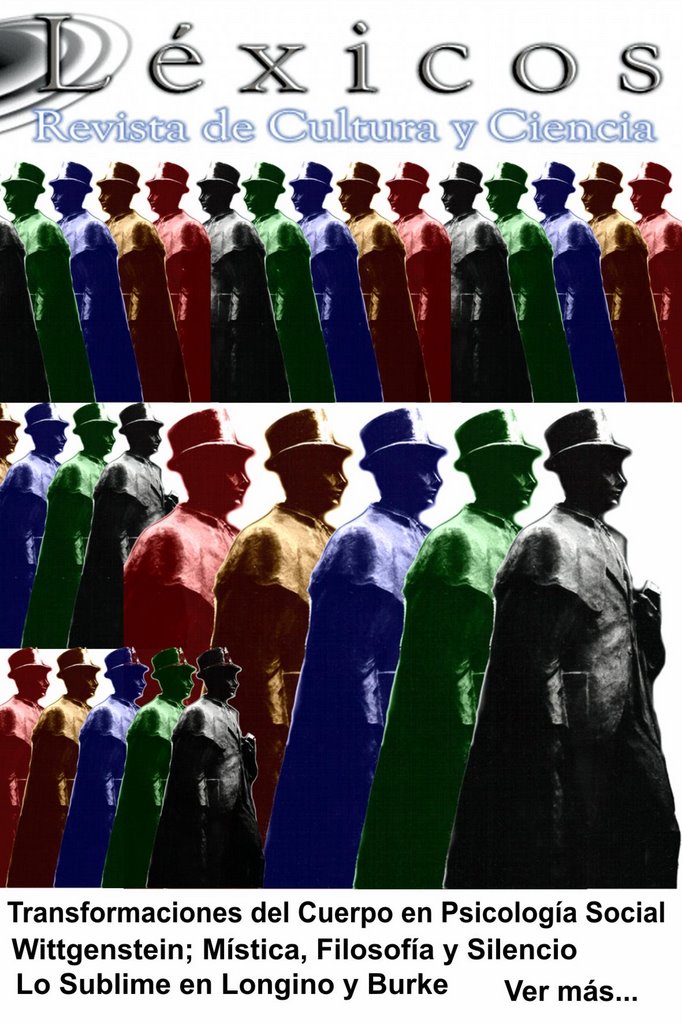
En el enlace de arriba aparece le revista digital Léxicos dedicada a la cultura y a la ciencia. El equipo de editores y redactores nos dicen lo siguiente:
"Esperamos que mirarla se convierta para el lector en una especie de juego, una experiencia que implique reconocerla, habitarla, y perderse en ella como si estuviera paseando sin rumbo fijo por una ciudad que visita por primera vez, derivando por la curiosidad del pensamiento y la expresión humana".
Este es también el BLOG de Léxicos:
domingo, mayo 28, 2006
Los enlaces politicos venezolanos
En seguida aparecen varios enlaces que tratan el tema de la política actual venezolana. Estos enlaces los he divido en dos:
Los enlaces de la oposición o grupos de la resistencia civil, como:
Los blog de los que apoyan el Socialismo del Siglo XXI :
Algunos enlaces interesantes

Existen actualmente muchos blogs en Internet. Se dice que es posible que existan más de 30 millones de acuerdo a los analistas. También no es ninguna sorpresa que existan algunos proyectos que por lo general nos han llamado la atención. Yo voy ahora a colocar mi lista de los que considero de gran interés para los académicos o los profesores,como:
El Blog de los Académicos en Internet
RHETORICA,una lista de enlaces de profesores universitarios, cubriendo varias disciplinas.- El sitio dedicado a la Sociología lo podemos encontrar en ANALISTA
PERIODISMO de Investigación se autotitula INSTAPUNDIC y siempre se ha dicho que es el lugar más visitado en la Red.
Igualmente un buen enlace que muchos norteamericano leen a menudo lo encontramos en CRITICA DE LOS MEDIOS
Ud. también puede visitar LOS ACADEMICOS Y SUS BLOGS, uno de mis enlaces favoritos desde hace ya varios años.
Ahora es el momento de hacer click.
El Juego de la Novela
Un proyecto interesante de una profesora de inglés y dedicada a la literatura. Utilizando el podcast, ella ha diseñado un juego que consiste en lo siguiente: ella describe en el Podcast el carácter de los personajes y relata pasajes de una novela, con la finalidad de que luego las personas descubran la obra literaria y en el Foro discuten el asunto. Si les interesa la literatura inglesa y quieren jugar, este el lugar adecuado.
It's an audio literature trivia game delivered as a podcast or on their webpage. Listen to the passage from a novel, then guess the character, novel and author via a web form.
Every other day or so, she'll make an audio recording from a novel. It will be short passage, always something a character says. Your task will be to guess the character, book and author.
RELIEVE es la revista de investigacion educativa

La revista digital RELIEVE proviene de la Universidad de Valencia, España, y se dedica al tema de investigación y evaluación educativa. Veamos lo que sus directores nos dicen sobre el objetivo de este proytecto:
RELIEVE es la primera revista electrónica de España, tiene una orientación académica con un exigente proceso de revisión por expertos y es totalmente gratuita. Aspira a ser un instrumento de comunicación para la comunidad educativa, en particular en temas de investigación y de evaluación educativa, entendidas en un sentido amplio. Pretende aprovechar eficazmente las posibilidades de comunicación e interactividad que ofrece Internet.
RELIEVE está auspiciada por AIDIPE (Asociación Interuniversitaria de Investigación en Pedagogía) cuya sede social está en Pg. de la Vall d'Hebron, 171. 08035-Barcelona. AIDIPE también edita, en formato impreso, la Revista de Investigación Educativa (RIE).
RELIEVE se edita actualmente desde el Departamento de Métodos de Investigación y Diagnóstico en Educación (MIDE) de Facultad de Filosofía y Ciencias de la Educación de la Universidad de Valencia (Av. Blasco Ibañez , 30. 46010-Valencia -Spain).
Un buen curso de HTML
Casi siempre necesitamos un buen curso de HTML para poder escribir bien o hacre tablas en estos blogs. Arriba he colocado el mejor curso de la red.
sábado, mayo 27, 2006
El Museo Virtual de Arte

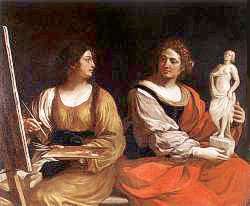
Después del Código da Vinci se puso de moda volver a los museos de arte para examinar las pinturas sobre María Magdalena o conocer la Pintura sobre el rostro de la muchacha adornada con el sarcillo de perlas (Girl with a Pearl Earring) del pintor holandes Vermeer Van Delft (1.661-1,670), en fin...
The Web Gallery of Art is a virtual museum and searchable database of European painting and sculpture from 12th to mid-19th centuries. It was started in 1996 as a topical site of the Renaissance art, originated in the Italian city-states of the 14th century and spread to other countries in the 15th and 16th centuries. Intending to present Renaissance art as comprehensively as possible, the scope of the collection was later extended to show its Medieval roots as well as its evolution to Baroque and Rococo via Mannerism. More recently the periods of Neoclassicism and Romanticism were also included.
The collection has some of the characteristics of a virtual museum. The experience of the visitors is enhanced by guided tours helping to understand the artistic and historical relationship between different works and artists, by period music of choice in the background and a free postcard service. At the same time the collection serves the visitors' need for a site where various information on art, artists and history can be found together with corresponding pictorial illustrations. Although not a conventional one, the collection is a searchable database supplemented by a glossary containing articles on art terms, relevant historical events, personages, cities, museums and churches.
The Web Gallery of Art is intended to be a free resource of art history primarily for students and teachers. It is a private initiative not related to any museums or art institutions, and not supported financially by any state or corporate sponsors. However, we do our utmost, using authentic literature and advice from professionals, to ensure the quality and authenticity of the content.
We are convinced that such a collection of digital reproductions, containing a balanced mixture of interlinked visual and textual information, can serve multiple purposes. On one hand it can simply be a source of artistic enjoyment; a convenient alternative to visiting a distant museum, or an incentive to do just that. On the other hand, it can serve as a tool for public education both in schools and at home.
(La visita además se puede realizar con un bucador según el nombre del artista, incluso se pueden comparar copias de las colecciones, o en todo caso seleccionar un Tour en la guía que existe para este fin)
jueves, mayo 25, 2006
Hoy estuve oyendo la Musica de Dark Horse

La radio Dark Horse proviene de Inglaterra y siempre colocan excelente música. Gracias a la tecnología del PODOMATIC y a iTunes podemos pues oir muy buena música, mientras trabajamos en Internet con nuestro equipo MAC. Esta radio se autocalifica como : The Best Independent Music, y su enlace es:
La Investigacion Cualitativa
En el enlace de arriba profesor Martínez Miguelez, de la USB, nos deleita con su enfoque dedicado a la investigación cualitiva y para complementar este enfoque y verlo aplicado en un trabajo de investigación, la Profesora María de Lourdes Acedo de Bueno, también de la Universidad Simón Bolívar, nos ayuda a entender el asunto del tema:
sábado, mayo 20, 2006
El Sarcofago de las antiguas Hojas Web

Pero es verdad también que en esta era de la globalización está de moda conocer más sobre tecnologías digitales y en este lugar es posible:
Yo también creo interesante conocer el CEMENTERIO de antiguas hojas Web que han desaparecido, pues se dice que el 60% de estas iniciativas mueren y no continúan en el ciberespacio, solamente existe una persona que se dedique a coleccionarlas como aparece en seguida:
Si ustedes hacen CLICK arriba en el vínculo principal entonces pueden ir al MUSEO de las Hojas WEB ya desaparecidas. Esto es lo que se dice de ese museo:
WHAT IS THE MUSEUM OF E-FAILURE?
The Museum of E-Failure was launched in early 2000; it is an image gallery of some 1,250 screens captured from some 900 Web projects that for various reasons "went dark" during the years 1998 to 2004.
Some had a chance to post a self-penned epitaph in the form of a "farewell screen"; others simply expired and drifted lifelessly, with no visible indications for their demise - often for many months.
This collection provides a partial, but revealing look at the latter half of the Web's 10 years of existence. Annotations (Web Elegies) are included where possible in order to place each site in its historical context.
Unlike the far more extensive collection of historical material located at Archive.org's excellent Wayback Machine site, the sites in this collection are not working replicas, but screenshot recordings made (using the time-honored "ALT-PRINT-SCRN" method) when the site was still running, a technique allowing the preservation of dynamic elements, including banner advertisements, Java and Javascript, and streaming media in a way not always possible with the WayBack machine. It is hoped that this exhibit - a sample of cultural product created by the dotcom era's lost wunderkind - provides some small iota of insight into the Web's possibly central role in the future history of Dead Media.
domingo, mayo 14, 2006
Una herramienta para intercambio de Podcast

En el enlace de arriba aparece una herramienta para mandar Podcast por e-mail.
sábado, mayo 13, 2006
Otro Blog de alta calidad es DEKITA

Este es el Blog de mi amigo Felipe Perez Estevez

El Blog de Felipe Pérez es muy interesante porque trata el tema de la calidad de la vida en su sentido muy amplio. Y en relación a la calidad, podemos observar lo que está haciendo Teresa Almeida en su clases de inglés a jóvenes potugueses:
jueves, mayo 11, 2006
Ya MOODLE ha colocado sus tips
Desde el 15 de febrero del 2.006 el software MODDLE ha colocado en español y en otros idiomas todos los Tips para administrar mejor el uso de esa herramienta.
Además existe una lista de herramientas de Código Abierto en:
PLATAFORMAS
Todo ello lo podemos complementar con los Videos que aparecen en Teachers TV, donde realmente se aprende el arte de la pedagogía aplicada:
LOS VIDEOS
Además existe una lista de herramientas de Código Abierto en:
Todo ello lo podemos complementar con los Videos que aparecen en Teachers TV, donde realmente se aprende el arte de la pedagogía aplicada:
miércoles, mayo 10, 2006
martes, mayo 09, 2006
Evaluacion del material docente para cursos on-line
Juan Ramón Bautista , Lina Martínez y Mila Sainz han escrito un artículo que se titula: La evaluación de materiales didacticos para la eduación a distancia (The evaluation of teaching materials for distance education). Los materiales docentes deben ser ajustados para que se adapten a esta modalidad de enseñanza.
Eriberto De Pablo, desde Argentina, nos envia el centro Virtual de Eduacción Universitaria a Distancia:
CVDEUD
Eriberto De Pablo, desde Argentina, nos envia el centro Virtual de Eduacción Universitaria a Distancia:
domingo, mayo 07, 2006
Los intercambios internacionales con el BLOG
El uso del Blog es también una herramienta para el intercambio internacional entre personas. El enlace de arriba es un buen ejemplo de este fenómeno social.
Ahora que estamos muy cerca de Alemania 2.006
Vale la pena ver lo que opinan en Barsil sobre estos juegos. como en el Blog de Sergio, por ejemplo.
Que es eso de RSS 2.0 y que es WEB 2.0 ?
En Harvard Law nos cuentan el cuento de lo que se trata el RSS 2.0 y la manera de utilizarlo. Aunque sabemos que es una herramienta denominada Really Simple Syndication y que es un dialecto del XLM, vale la pena conocer más en detalle este asunto. Otro elemento que vale la pena conocer es lo que significa OPML 2.0 y aquí lo podemos leer en los dos enlaces que siguen:
HACER CLICH AQUI
=PML en detalle
Claro que se complementa con los agregadores como TECHNORATI por ejemplo:
TECHNORATI
O los directorios de Podcast, como:
DIRECTORIO INDIEPODDER
Web 2.0 Defined:
Web 2.0 is an umbrella term for the second wave of the World Wide Web. Web 2.0 implies an information and computing platform rather than a content storehouse. Sometimes called the "New Internet," Web 2.0 promotes thin client computing, where everything is stored on servers (on the Web), and a user has access from any laptop or desktop computer via a Web browser. Client applications that do not require the browser can also be downloaded at any time from the Web.
The Social Phenomenon A social phenomenon referring to an approach to creating and distributing Web content itself, characterized by open communication, decentralization of authority, freedom to share and re-use, and "the market as a conversation.
Web Evolution In the mid-1990s, the Web began (Web 1.0) as a repository of information and static content. Within a couple years, a huge amount of content was dynamic, returning custom results to users. By the turn of the century, the Web became more interactive (Web 1.5), allowing users to play, stop, rewind and fast forward through audio and video content. In the discussion of Web 2.0, the 1.0 and 1.5 generation labels are sometimes used, but they are not rigidly defined.
What Enabled Web 2.0? Bandwidth and power enabled Web 2.0. Faster in many cases than the T1 lines in the enterprise, cable and DSL hookups have given high-speed connections to small businesses and home offices. In addition, the entry level computer has gotten powerful enough to execute JavaScript and Java code in an HTML page without noticeable delays. The combination of increased bandwidth and local processing power, as well as increased server power and refinements in server applications, make the Web an extension of the user's computer just as if it were connected to the local network (LAN).
Claro que se complementa con los agregadores como TECHNORATI por ejemplo:
O los directorios de Podcast, como:
Web 2.0 Defined:
Web 2.0 is an umbrella term for the second wave of the World Wide Web. Web 2.0 implies an information and computing platform rather than a content storehouse. Sometimes called the "New Internet," Web 2.0 promotes thin client computing, where everything is stored on servers (on the Web), and a user has access from any laptop or desktop computer via a Web browser. Client applications that do not require the browser can also be downloaded at any time from the Web.
The Social Phenomenon A social phenomenon referring to an approach to creating and distributing Web content itself, characterized by open communication, decentralization of authority, freedom to share and re-use, and "the market as a conversation.
Web Evolution In the mid-1990s, the Web began (Web 1.0) as a repository of information and static content. Within a couple years, a huge amount of content was dynamic, returning custom results to users. By the turn of the century, the Web became more interactive (Web 1.5), allowing users to play, stop, rewind and fast forward through audio and video content. In the discussion of Web 2.0, the 1.0 and 1.5 generation labels are sometimes used, but they are not rigidly defined.
What Enabled Web 2.0? Bandwidth and power enabled Web 2.0. Faster in many cases than the T1 lines in the enterprise, cable and DSL hookups have given high-speed connections to small businesses and home offices. In addition, the entry level computer has gotten powerful enough to execute JavaScript and Java code in an HTML page without noticeable delays. The combination of increased bandwidth and local processing power, as well as increased server power and refinements in server applications, make the Web an extension of the user's computer just as if it were connected to the local network (LAN).
martes, mayo 02, 2006
Muy Util el enlace E-HOW...

El enlace de arriba se llama e-HOW...en ese lugar usted puede añadir a su Hoja Web o a su blog cantidad de posibilidades. Por ejemplo: a lo mejor desea agregar un simbolo de Copyright, o quiere añadir un Java applets o quizá sus keywords o en todo caso un video utilizando FrontPage. O también un Guest Book o un Chat Room...en fin en este lugar encontrará cómo hacerlo.
Esto es mi ECOSYSTEM en The Truth Laid Bear

My Ecosystem Details
Además en el vículo de arriba ud. puede conocer los principales blogs del mundo, es decir aquellos que sobrepasan las 2 mil visitas diarias.Por ejemplo:
Lo que esta pasando con el New York Time

Microsoft and The New York Times have unveiled software that preserves the print edition's design online.
O sea que el NYT está emulando sus noticias como si las escribiera en una Web.
sábado, abril 29, 2006
D-LALUD es la mejor revista digital sobre SALUD

Una revista digital sobre salud en español, la cual se considera una de las mejores que se consiguen en Internet.
Todas las Historias Digitales en un solo lugar

Las historias digitales en videos ahora en un solo lugar. Aquí...en el enlace de arriba. O en todo caso las historia en NOVA:
La tecnologia y la enseñanza on-line

En el vínculo de arriba aparace un artículo del Prof.George M. Chinnery de la Universidad de Maryland en el condado de Boltimore. El tema es : EMERGING TECHNOLOGIES y Mobile Asssted language learning. Además, para practicar una buena pronunciación en el idioma inglés se puede ir a:
También los profesores de la Universidad Simón Bolívar como William Colmenares del Dpto. de Procesos Y Sistemas utilizan internet para complementar sus cursos presenciales. Un ejemplo lo coloco en seguida:
El Prof. Colmenares igualmente utiuliza los recursos de Google para hacer un FORO con sus alumnos. Los alumnos necesitan para ello tener una cuenta de correo de gmail.
Ahora el profesor trata de utilizar el editor eXe o sea: XTML para e-Learning:
Si quiere utilizar eXe puede hacer click en este gráfico:

Ya FUNINDES de la USB tiene su Hoja Web...

FUNINDES es una organización dentro de la Universidad Simón Bolívar que se dedica a la investigación, al desarrollo de proyectos de inversión y a cursos de extensión. En el enlace de arriba pueden conocer sus trabajos.
Que es RSS/XML ?
En el enlace de arriba aparece PR WEB donde ofrecen el Plug-N-Play para aquellos que no tienen la habilidad de usar XML feed. La instrucciones vienen en un pdf. La idea central es es usar PR-WEB news en su Blog. Le ofrecen un Código (un Script) para colocarlo en su sitio).
viernes, abril 28, 2006
Porque BLOKE y NO BLOG.....

Una pregunta por ahora ingenua...¿Porqué BLOKE y no BLOG ? o porqué pasar a un META-BLOKE... No importa el nombre lo que importa es que es un periodismo acerca de la nueva tecnología...
jueves, abril 27, 2006
Las recomendaciones de Maria Jordano

María Jordano es una profesora de Inglés de origen español. Sus recomendaciones son útiles para los estudiantes que comienzan a utilizar la tecnología digital. Por ejemplo, uno de los lugares para hacer un buen blog que ella recomienda es:
miércoles, abril 26, 2006
LA REALIDAD VIRTGUAL DE HUGO NEIRA

HUGO NEIRA es un jóven chileno dedicado al desarrollo de lo que se denomina la realidad virtual. Si ustedes hacen Click en el siguientel enlace pueden ver su museo virtual :
martes, abril 25, 2006
Este es el Blog del Dr. HOWDY

El Blog del Dr. Howdy es un sitio de excelentes imágenes cómicas y de buena música.
domingo, abril 23, 2006
La Revista Digital Turismo y Desarrollo

La Revista Digital Turismo y Desarrollo proviene de Portugal de la Universidad de Aveiro. Existen allí artículos de importantes personalidades académicas del turismo como el Doctor Chis Cooper, ahora trabajando en Australia, el Doctor Dimitiros Buhalis y otros. Y un consejo científico formado por 26 profesores de las univ ersidades de Algarve, Aveiro, Dos Acores, Universidad de Lisboa, Universidad de Quensland en Autralia, Universidad de Surrey en Inglaterra, Un iversidad Les Roches Management de Suiza, Universidad de Maranhao de Brasil, Universidad de Evora, Escuela Superior de Hotelería y Turismo de Estoril, Universidad de Coimbra, Do Porto, Da Beira, Universidad Nova de Lisboa, Universidad Do Min ho, Universidad de Madeira, Universidad de Barcelona (ESpaña). Los cuatro números de la revista sólo presentan al lector el resumen o Abstract.
viernes, abril 14, 2006
Escenarios Alternativos y Coyuntura en Argentina

Argentina esta haciendo un esfuerzo por enderezar su economía. Si les interesa el tema el lugar es el enlace de arriba.
Tecno Parla (un Blog Interesante)

O en todo caso hay que observar Tecno Parla y ver lo que escribe Sara. También otro blog interesante es :

El Codigo de Da Vinci y el Evangelio de Judas
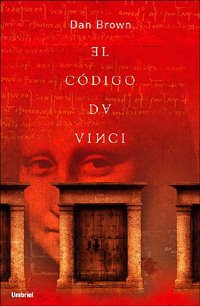
Son los dos temas que se han puesto de moda para la lectura o para verlo en Direct TV o en el Cine y en especial en esta Semana Santa.
Todo lo que paso en el curso WEBhead
En el iKeepBookmarks de arriba aparece todos los enlaces referidos a nuestro curso sobre el uso de la tecnología digital en la enseñanza on-line.
martes, abril 11, 2006


lunes, abril 10, 2006
Los blogs ganadores en ATINA-Chile
Arriba aparece el enlace de los blogs ganadores del concurso de ATINA-CHILE. Los finalistas se clasifican en el blog con mejor diseño, blog de ciencia y tecnología, mejor Blog de política, blog de arte y cultura, blog grupal, blog personal, blog periodístico, y premioo especial llamado Rodrigo de Triana.
jueves, abril 06, 2006
El PODcast
Es un artículo muy completo sobre el tema. Qué es y qué no es Podcast ?
Música China:

Ver más POds:
SEARCH PODS
Otro podcast de música:
NITAN
Música China:
Ver más POds:
SEARCH PODS
Otro podcast de música:
martes, abril 04, 2006
Cursos en español gratuitos
En el enlace de arriba aparecen varios cursos en español gratuitos que se solicitan en el buscador. El lugar es Mail x Mail. Com
El Enlace de ASKAIN
Y ahora un curso de Inglés para estudiantes japoneses pero utilizando la técnica de la animación (cláse lúdica):
CLASE LUDICA
Y ahora un curso de Inglés para estudiantes japoneses pero utilizando la técnica de la animación (cláse lúdica):
lunes, abril 03, 2006
Arte, Ciencia y Sonidos
En el enlace de arriba existe una combinación de videos y de MP3 relativos a arte (Films,Poesía), ciencia (una conferencia de Roland Barthes, una conferencia de Jacques Lacan, sonidos especiales de Henry Chopin, radio experimental., grupos musicales.
También la TV de la Universidad de California privilegia el arte y la música:
TV-U de C
La Universidad de California en san Diego igualmente ofrece lecturas y documentos:
U de C SAN Diegp
Y para ver los comentarios sobre películas (FILMS) no hay como:
FOLKS
También la TV de la Universidad de California privilegia el arte y la música:
La Universidad de California en san Diego igualmente ofrece lecturas y documentos:
Y para ver los comentarios sobre películas (FILMS) no hay como:
viernes, marzo 31, 2006
La Historia de APPLE y de la MAC
Si hace click arriba encontraá la extraordinaria historia de un equipo y una tecnología de punta.
Es que se celebren las tres décadas de este desarrollo. Parece que fue ayer:
TRES DECADAS
Es que se celebren las tres décadas de este desarrollo. Parece que fue ayer:
jueves, marzo 30, 2006
Intercontacto.com (un lugar academico de encuentros)
Intercontacto, Academici, Tesis-Center y Moodle son tres lugares emblemáticos para el encuestro entre académicos.
INTERCONTACTO
ACADEMICI
TESIS-CENTER
MOODLE
En intercontacto más de 900 personas de toda América Latina y también España, utilizan esta plataforma para buscar ayuda tutorial sobre cómo hacer una tesis de grado.
En Academici existe un Grupo Venezolano que discute los temas sobre e-learning (Academici. Community Venezuela).
En la plataforma TESIS CENTER se han unido el grupo de Intercontacto y el Grupo de Creatividad y Productividad de la Universidad Simón Bolívar para poner a la disposición de los tesistas de habla hispana varios cursos sobre el tema de cómo hacer una tesis de grado. Cómo hacer referencias bibliográficas, cómo elaborar tesis, el asunto de la muestra,tutores en linea, formación de tutores.
En intercontacto más de 900 personas de toda América Latina y también España, utilizan esta plataforma para buscar ayuda tutorial sobre cómo hacer una tesis de grado.
En Academici existe un Grupo Venezolano que discute los temas sobre e-learning (Academici. Community Venezuela).
En la plataforma TESIS CENTER se han unido el grupo de Intercontacto y el Grupo de Creatividad y Productividad de la Universidad Simón Bolívar para poner a la disposición de los tesistas de habla hispana varios cursos sobre el tema de cómo hacer una tesis de grado. Cómo hacer referencias bibliográficas, cómo elaborar tesis, el asunto de la muestra,tutores en linea, formación de tutores.
miércoles, marzo 29, 2006
BLOG-SPIRIT

Un nuevo lugar para comenzar a escribir su Blog. Dicen que los diseños son excelentes y que el Blog a la carta vale la pena.
Igualmente se puede decir de JOT SPOT un sitio para comenzar a redactar un WIKI:
martes, marzo 28, 2006
Un importante Glosario de Terminos educativos
Si hace click arriba encontrará un glosario de términos relativos a la educación. Es un documento en español.
sábado, marzo 25, 2006
TUBE: BROADCAST YOURSELF
Un grupo de videos en YOU TUBE. Videos de música y videos especiales como SilverHawks (The Origin Story).
miércoles, marzo 22, 2006
viernes, marzo 17, 2006
Los Blogs Educativos premiados
Arriba está el enlace de los blogs educativos que compitieron para el premio del año 2.005.
The Edublog Awards 2005Winners!
We have the winners, and earlier today I was pleased to announce them on EdTechTalk number 50, which will be available for those of you who couldn’t make it very shortly. The results are thanks to over 60 edublogger nomination, and 3268 votes, not to mention the time, expertises, passion and dedication put in by not just the edubloggers you see here, but by the whole community that has helped to foster them. I’m sure you’ll agree that peer selection has produced an outstanding list of examples of current and activity and practice in education. I hope you’ll join with me in congratulating the winners, and in taking some well-earned pride in what we’ve achieved this year.
The Edublog Awards 2005Winners!
We have the winners, and earlier today I was pleased to announce them on EdTechTalk number 50, which will be available for those of you who couldn’t make it very shortly. The results are thanks to over 60 edublogger nomination, and 3268 votes, not to mention the time, expertises, passion and dedication put in by not just the edubloggers you see here, but by the whole community that has helped to foster them. I’m sure you’ll agree that peer selection has produced an outstanding list of examples of current and activity and practice in education. I hope you’ll join with me in congratulating the winners, and in taking some well-earned pride in what we’ve achieved this year.
jueves, marzo 16, 2006
Grupos de investigacion en E-learning.
COMUNIDADES VIRTUALES EDUCATIVAS
CETIS
CETIS represents UK higher-education and further-education institutions on international learning technology standards initiatives.
JISC
The Joint Information Systems Committee (JISC) supports further and higher education by providing strategic guidance, advice and opportunities to use Information and Communications Technology (ICT) to support teaching, learning, research and administration. JISC is funded by all the UK post-16 and higher education funding councils.
OPENGROUP
The Open Group is a vendor-neutral and technology-neutral
consortium, whose vision of Boundaryless Information Flow™
will enable access to integrated information, within and among enterprises,
based on open standards and global interoperability.
TELCERT
TELCERT is a research and innovation project under the European Union's 6th Framework programme. Our aim is to help transform the adoption of standards-based e-Learning products and services. TELCERT supports the European priority to bring the economic and social benefits of more available education to all.
ADAPTADORES de las INVESTIAGIONES
ONTOLOGICAL LAB
The Laboratory for Ontological Research (LORE) is a research and development lab at Simon Fraser University under the auspices of the School of Interactive Arts and Technology. We conduct research in knowledge media with focus on ontologies, interoperability, and reasoning.
UNIV.CARLOS-III
The development of a tool called CASLO (Collaborative Annotation Service for Learning Objects) is the main result of the research proposal described herein.
UNIV de VALL
Bienvenido a la página principal del Grupo de Sistemas Inteligentes y Cooperativos de la Universidad de Valladolid
TEC
Grupo de tecnologías interactivas
UNISA
Universo del saber. Universidad de Salerno.
UNFOLD
Sexto programa marco de la Unión Europea.
DISEÑOS
Diseños de e-learning
ICLASS
Entorno abierto de aprendizaje.
EL Marco del e-learnig
The LADIE reference model supports Learning Activity Authoring (the design and construction of learning activities and the discovery, specification, sequencing and packaging of content) and Learning Activity Realisation (the construction of the environment in which learning activities are to take place and execution of the learning activities themselves). The LADIE project combines practical teaching and learning experience, pedagogy/didactics through the DialogPlus project in addition to the needs of existing technologies.
LORNET
Objetos de aprendizaje.
LICEF
Materiales pedagógicos.
ELIVE
Alemania: Diseño de e-learning.
RELOAD
Editores de código abierto para objetos de aprendizaje.
ASK
Softwares educativos (Grecia).
(Fuente: Daniel Burgos y Rob Koper en Monografías.com)
CETIS represents UK higher-education and further-education institutions on international learning technology standards initiatives.
The Joint Information Systems Committee (JISC) supports further and higher education by providing strategic guidance, advice and opportunities to use Information and Communications Technology (ICT) to support teaching, learning, research and administration. JISC is funded by all the UK post-16 and higher education funding councils.
The Open Group is a vendor-neutral and technology-neutral
consortium, whose vision of Boundaryless Information Flow™
will enable access to integrated information, within and among enterprises,
based on open standards and global interoperability.
TELCERT is a research and innovation project under the European Union's 6th Framework programme. Our aim is to help transform the adoption of standards-based e-Learning products and services. TELCERT supports the European priority to bring the economic and social benefits of more available education to all.
ADAPTADORES de las INVESTIAGIONES
The Laboratory for Ontological Research (LORE) is a research and development lab at Simon Fraser University under the auspices of the School of Interactive Arts and Technology. We conduct research in knowledge media with focus on ontologies, interoperability, and reasoning.
The development of a tool called CASLO (Collaborative Annotation Service for Learning Objects) is the main result of the research proposal described herein.
Bienvenido a la página principal del Grupo de Sistemas Inteligentes y Cooperativos de la Universidad de Valladolid
Grupo de tecnologías interactivas
Universo del saber. Universidad de Salerno.
Sexto programa marco de la Unión Europea.
Diseños de e-learning
Entorno abierto de aprendizaje.
The LADIE reference model supports Learning Activity Authoring (the design and construction of learning activities and the discovery, specification, sequencing and packaging of content) and Learning Activity Realisation (the construction of the environment in which learning activities are to take place and execution of the learning activities themselves). The LADIE project combines practical teaching and learning experience, pedagogy/didactics through the DialogPlus project in addition to the needs of existing technologies.
Objetos de aprendizaje.
Materiales pedagógicos.
Alemania: Diseño de e-learning.
Editores de código abierto para objetos de aprendizaje.
Softwares educativos (Grecia).
(Fuente: Daniel Burgos y Rob Koper en Monografías.com)
miércoles, marzo 15, 2006
Si es un Universitario...
Si es un universitario el mejor sitio para los contactos profesionales es ACADEMICI, como aparece en el enlace de arriba.
martes, marzo 14, 2006
Blogging to learn...or leaning to blog
domingo, marzo 12, 2006
La Presidente de Chile Michelle Bachelet y su Blog
Arriba puede hacer click para conocer el Blog de la Presidenta de Chile la Dra. Michelle Bachelet. Alli aparece su Plan de los 100 días, su Programa de Gobierno, sus discursos y fotos y la trasmisión de mando, además su Gabinete Presidencial, así como los resultados de las elecciones presidenciales del 2.005 en Chile.
Vamos a ver mi columna interpretando este exepcional gobierno:
LA COLUMNA DE ASKAIN
En seguida colocaré dos blogs adicionales chilenos:
EL MORROCOTUDO
EL BLOG de F. FLORES
Vamos a ver mi columna interpretando este exepcional gobierno:
En seguida colocaré dos blogs adicionales chilenos:
sábado, marzo 11, 2006
Un buen resumen de lo que paso en BAWO6
Updating the list of tools, activities and resources scattered around BAW06 messages, blogs, webpages. In particular you'll find the following items there.
a.. BAW06 Week 3 Materials and discussions
b.. Blogging tools and samples
c.. Blogs created by Bawers 06
d.. Bookmarking tools
e.. Odds 'n Ends - Tools and Software
f.. Podcasting tools and repositories
g.. Podcasts created by Bawers 06
h.. Resources for ESL/EFL
i.. Teaching activities created by Bawers 2006
j.. Tools for pictures and videos
k.. Tools to create surveys
l.. Tools to create teaching materials
m.. A collection of Tutorials on different topics
n.. Web Editors - Collaborative Writing Tools
o.. Webpages created by Bawers 06
p.. Wiki Pages created by Bawers 06
q.. Wiki Tools
The list gathers the items I was able to pick up myself so I've probably missed a few. Please let me know if there's something you would like to add. Hope this will help those of us who wish to go on exploring online tools. Si... a mi me gustaría añadir lo siguiente:
SOUND-SEEING-YOUR
a.. BAW06 Week 3 Materials and discussions
b.. Blogging tools and samples
c.. Blogs created by Bawers 06
d.. Bookmarking tools
e.. Odds 'n Ends - Tools and Software
f.. Podcasting tools and repositories
g.. Podcasts created by Bawers 06
h.. Resources for ESL/EFL
i.. Teaching activities created by Bawers 2006
j.. Tools for pictures and videos
k.. Tools to create surveys
l.. Tools to create teaching materials
m.. A collection of Tutorials on different topics
n.. Web Editors - Collaborative Writing Tools
o.. Webpages created by Bawers 06
p.. Wiki Pages created by Bawers 06
q.. Wiki Tools
The list gathers the items I was able to pick up myself so I've probably missed a few. Please let me know if there's something you would like to add. Hope this will help those of us who wish to go on exploring online tools. Si... a mi me gustaría añadir lo siguiente:
jueves, marzo 09, 2006
Dos buscadores interesantes
The company has introduced 43 "search macros" this week, and it plans to introduce many more over the coming months, in addition to those created by users.
Este buscador es un competidor de
The Boxxet engine, which is built around standard software, such as MySQL and JavaScript, is driven by "thousands" of variables, according to Tsang, which he and his co-founder developed. The primary technology they used for categorizing searches is "support vectors," which break text apart to analyze its patterns, says
El creador de BOXXET introduce un nuevo término al calificar de BIONIC SOFTWARE su buscador. O¨Reilly comenta este asunto en :
Un lugar innovador también es
miércoles, marzo 08, 2006
Un Slide Show de la ciudad de Caracas
martes, marzo 07, 2006
viernes, marzo 03, 2006
CNN-MONEY y las 28 empresas digitales
In the CNNMONEY pages we identify 28 companies, in five Next Net categories, whose approaches help illuminate where the Web is headed and where the opportunities lie. Most are startups, a lot of them with less than 10 full-time employees. Few are currently making money, and it's a given that many will fail. But it's equally likely that somewhere within this group lurks the next Google or Microsoft or Yahoo -- or at least something that those giants will soon pay a pretty penny to have.
La lista es como sigue:
DIGG ( News aggregator), LAST.fm (Social radio), Newsvine (Collaborative publisher), Tagworld (Social networking), YouTube (Video Sharing), Yahoo, Bloglines (Online feed reader), Eurekster (Search mashup), Simply Hired (Job search engine),Technorati (Blog Search engine), Trulia (Real estate mashup), Wink (Tag search engine), Google (Search), Fonality (OPen-source telephony software),SIPphone (Internet phone software), Iotum (Presence management software), Vivox (Peer-to peer voice techology),eBay -Skype (Phone connection) , JotSpot (Wikis and online spreadsheets), 30Boxes (special online Calendar), 37Signals (Online project management), Writely (Online word processing), Zimbra (On-line e-mail with Microsoft Outlook), Brightcove (Internet TV distributor), Jigsaw (Business contact database), SimpleFeed (Opt-in RSS marketing), SalesForce (online enterprise software), Six Apart (Blogging tools), Amazon (books data).
La lista es como sigue:
DIGG ( News aggregator), LAST.fm (Social radio), Newsvine (Collaborative publisher), Tagworld (Social networking), YouTube (Video Sharing), Yahoo, Bloglines (Online feed reader), Eurekster (Search mashup), Simply Hired (Job search engine),Technorati (Blog Search engine), Trulia (Real estate mashup), Wink (Tag search engine), Google (Search), Fonality (OPen-source telephony software),SIPphone (Internet phone software), Iotum (Presence management software), Vivox (Peer-to peer voice techology),eBay -Skype (Phone connection) , JotSpot (Wikis and online spreadsheets), 30Boxes (special online Calendar), 37Signals (Online project management), Writely (Online word processing), Zimbra (On-line e-mail with Microsoft Outlook), Brightcove (Internet TV distributor), Jigsaw (Business contact database), SimpleFeed (Opt-in RSS marketing), SalesForce (online enterprise software), Six Apart (Blogging tools), Amazon (books data).
jueves, marzo 02, 2006
lunes, febrero 27, 2006
FOTOGRAFIAS
Una excelente colección de fotografías. Se pueden utilizar en sus diseños o en su blog. El asunto es que no son gratis. No se como pueden competir con las fotos gratuitas de otros servidores.
sábado, febrero 25, 2006
Una informacion completa sobre Venezuela
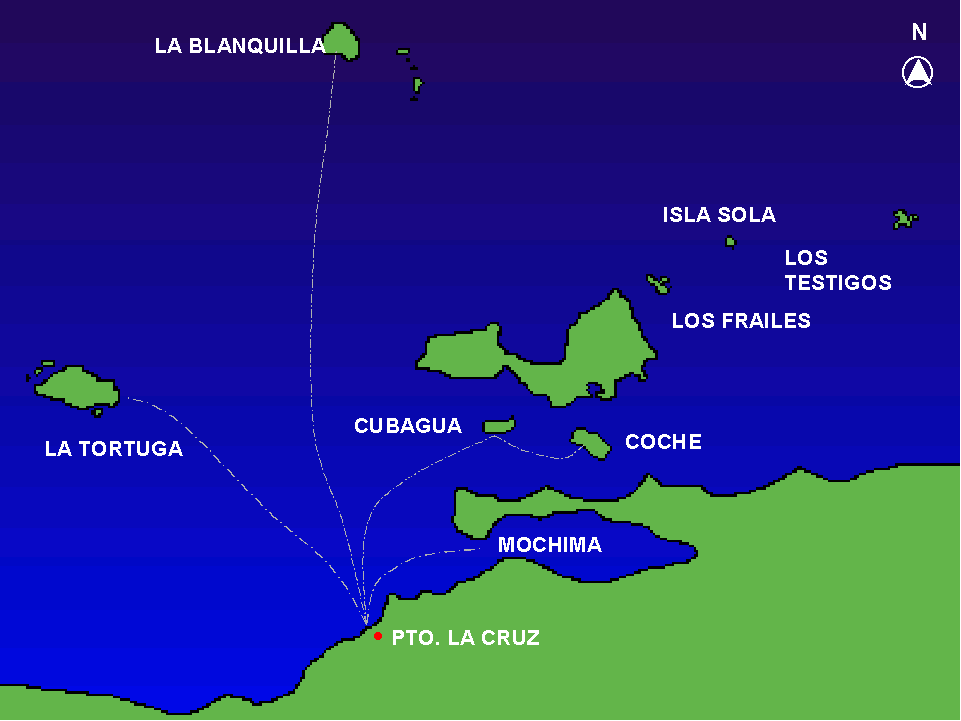
Arriba aparece el enlace Venezuela To Day. Arriba se pueden consultar todos los diarios,revistas y lugares digitalizados que dan información sobre Venezuela.
Suscribirse a:
Entradas (Atom)