Venezuelan Parents Love a Famous Name
By SIMON ROMERO
Published: January 7, 2007
CARACAS, Venezuela
AS university students clashed with the police in this country last May, attention focused not just on their demands to hold elections without government meddling but also on the names of the two leaders organizing the protests: Nixon Moreno and Stalin González.
Many Venezuelans had a good laugh at the names and went on with their business. What’s so odd, after all, about the occasional Nixon or Stalin in a nation where bestowing bizarre names on newborns has become a whimsically colorful tradition?
A glance through a phone book or the government’s voter registry reveals names like Taj-Mahal Sánchez, Elvis Presley Gomez Morillo, Darwin Lenin Jimenez, even Hitler Eufemio Mayora. Other Venezuelan first names, which roll off the tongue about as easily in Spanish as in English, include Yusmairobis, Nefertitis, Yaxilany, Riubalkis, Debraska, as well as Yesaidú and Juan Jondre — transliterations of “Yes, I do” and “One hundred.”
What’s it like to have such a name? “I’m extremely proud,” said Mao Breznyer Pino Delgado, explaining how he had recently looked online at Wikipedia to read up on the men who inspired his names, Mao Zedong and the former Soviet leader Leonid Brezhnev, when he found an example of Mao’s signature. He said he learned a bit of calligraphy so he could sign his name in Chinese.
“My father was a political moderate but he admired the military accomplishments of the Red Army,” said Mr. Pino, 26, who works in advertising for a beach clothing company. When a Fidel Castro or Mao shows up on the electoral registry, Mr. Pino said, some people accuse allies of the leftwing president, Hugo Chávez, of stuffing the registry with false names. “But my name has been Mao since before Chávez,” Mr. Pino, a supporter of Mr. Chávez, said.
Venezuela is not the only country in Latin America, or elsewhere, with a creative approach to first names. Brazil is renowned for its abundance of Washingtons, Robsons and Wellingtons, which take on a musical resonance when pronounced in Portuguese. Honduras drew attention several years ago after babies with names like Llanta de Milagro (Miracle Tire) and Bujía (Spark Plug) turned up on the public birth registry.
But Venezuela’s interest in unusual names is especially robust. Naming is related somewhat to social class, with the upper crust loyal to names like Andrés, Miguel, Carolina or Patricia. Mr. Chávez’s government has numerous officials with colorful names, reflecting how Venezuela’s traditional political elite has been upended in recent years.
Chavistas include Iroshima Bravo, a congresswoman named after the Japanese city Hiroshima, and Diosdado Cabello, the governor of Miranda State, whose first name means “God given.” The National Assembly, controlled entirely by Chávez supporters, has an Earle, an Eddy, an Elvis, a Berkis Claret and a Jhonny Owee.
Cold war ideologies offered some inspiration to Venezuelan parents in decades past. Even today, a name or a political philosophy that might result in being ostracized elsewhere is no obstacle to a warm reception in Caracas. Mr. Chávez’s government has said, for instance, that it did not view Ilich Ramírez Sánchez, the Venezuelan-born assassin also known as Carlos the Jackal, as a terrorist. Mr. Chávez addressed Mr. Ramírez as “Dear Compatriot” in letters they exchanged.
Mr. Ramírez, linked to the kidnapping of 11 oil ministers at a 1975 OPEC meeting in Vienna and serving a life sentence in France for killing two French secret agents, was named in honor of Vladimir Ilich Ulyanov, or Lenin. His two brothers are Vladimir and Lenin, common Marxist-inspired names in Venezuela.
“It’s as if you’re more valued than someone else in this country if you have a foreign-sounding name,” said Samuel Hurtado, an anthropologist at the Central University of Venezuela who studies family structures.
“Venezuelans believe they should have privileged access to things that are imported,” Mr. Hurtado continued, explaining how unusual sounding names, often with an American or Russian twist, climbed in popularity during the oil boom of the 1970s when Venezuela was flush with cash for imports. “This thinking extends to the names parents give their children.”
While Venezuelan names can seem perplexing to outsiders, there are rules involved. Roberto Echeto, a novelist who compiled a list of unusual names after writing a column on the subject for El Nacional newspaper, points to practices like combining the names of a father and mother to produce, for instance, a son named Nelmar whose parents are Nelson and
Marta.
Some parents simply reverse the spellings of names, creating Rotceh from Hector, Nabetse from Esteban, Susej from Jesús, Aleuzenev from Venezuela, or Anierim from Mi Reina (My Queen). Some rarer names on Mr. Echeto’s list, which often have a mock-American ring to them, include Willderman, Rosaherbalaif, Owinch, Petrasmit, Georguel and Yasterliski. He can add to that list Jhon Beiker (as in John Baker, a generic American-sounding name), christened as such by his mother Dosmel García
and heralded by the local media as the first baby born in Caracas in 2007.
“Naming your child in Venezuela is an almost irresistible invitation to rebel against centuries of tradition,” Mr. Echeto said. “Politics used to influence naming, but now it’s become kind of random.”
Some parents relish the challenge. Gilberto Vargas named his daughters, ages 10, 7, 4 and 2, Yusmary Shuain, Yusmery Sailing, Yusneidi Alicia and Yureimi Klaymar. His sons, one 9 years old and the other 9 months, are Kleiderman Jesús and Kleiderson Klarth.
Mr. Vargas, 33, said the middle name Sailing was inspired by an Arab princess who appeared in a comic book. Kleiderman was named in honor of Richard Clayderman (born Philippe Pagès), a French pianist whose renditions of popular music and French chansons are beloved in Venezuela. Klarth was similar to the name of a friend in Maracaibo who moved there from Trinidad and Tobago.
“The rest of the names just came to me in my dreams,” Mr. Vargas, a street vendor who sells hot dogs, said in an interview at his home, in an area where 24 families squatted illegally two years ago to build homes from tin siding and discarded pieces of wood. “Their names will make them special in this life.”
sábado, enero 13, 2007


Los Tutoriales multiples
En el siguiente enlace aparecen varios tutoriales que les permiten manejar mejor los siguientes sofwares:
DE MICROSOFT OFFICE:
Access 2003
Excel 2003
PowerPoint 2003
Word 2003
Publiaher 2003
DE OPENOFFICE
Base 2.0
Calc 2.0
Impress 2.0
Writer 2.0
DE WEB LAYOUT
Dreamweaver 8
HTML & CSS
jueves, enero 11, 2007
El iPhone de Apple...que maravilla !!
Quieren ver cómo funciona el iPhone de Apple. Esta nueva tecnología con funciones múltiples es verdaderamente una maravilla !!. IPhone es una iPot de amplia pantalla con cotroles que se tocan con un dedo y que le deja a usted gozar de todos sus contenidos como música, audio, videos , TV shows y películas, además de ser un teléfono que permite hacer conferencias, navegar en internet y ver su correo electrónico. Este aparato está conectado al iTunes Library de su PC o de su MAC.
iPhone is a widescreen iPot with touch controls that lets you enjoy all your content, including music, audiobooks, videos, TV shows and movies, on a beautiful 3,5 inch widescreen display. It also lets you sync your content from the iTunes library on your PC or MAC. And then you can access it all with with just the touch of a finger.
HACER CLICK AQUI
Después de ver ese gran avance tecnológico pueden divertise con estos cantantes, puden hacre click arriba para ver a papa noel cantando con su coro especial, para ver y oir : http://gpsinformation.info/main/merryxmas.swf
iPhone is a widescreen iPot with touch controls that lets you enjoy all your content, including music, audiobooks, videos, TV shows and movies, on a beautiful 3,5 inch widescreen display. It also lets you sync your content from the iTunes library on your PC or MAC. And then you can access it all with with just the touch of a finger.
Después de ver ese gran avance tecnológico pueden divertise con estos cantantes, puden hacre click arriba para ver a papa noel cantando con su coro especial, para ver y oir : http://gpsinformation.info/main/merryxmas.swf
miércoles, enero 10, 2007
Nationalization has a high price
Nationalization has a high price
A high economic and social price
Alfredo Ascanio (askain)
The Venezuelan president Hugo Chavez was reelected the 9 of January and he informed several political decisions.
The first political alarm to the investors: the nationalization of the Telecommunication Company (Verizon Inc. Communications), the electricity Company (AES Corporation of Arlington, VA) and the investments of foreign companies that operate petroleum in Orinoco River Basin (British Petroleum PLC, Exxon Mobil Corp., Chevron Corp., ConocoPhillips Co., and Statoil to upgrade heavy crude in the Orinoco).
These three nationalizations surely will cost more or less US$ 15 billion, said Miguel Octavio, executive director of BBO Servicios Financieros, a brokerage firm. Only 28.5% of Compania Anonima Nacional Telefonos de Venezuela (CANTV)´s shares in portfolio of the North American Company Verizon, at New York, will have a much greater value of US$ 676 million, when the company offered those shares to America Mobil and Telefonos of Mexico.
But with a price of the petroleum barrel of 55 dollars, president Chavez would not matter to him to make that enormous cost that would be the political price to eliminate the North American companies that are “companies of the empire” as he likes in describing them. The decision is ideological and political but no economic and social.
It is surprising that these decisions have been taken because all these companies are very efficient and they have contributed to the country with cutting edge technology.
These policies are irrational and contradictory because the country has a social debt that that “the revolution” ethically must solve but the policies of Mr. Chavez with the ideological objective to spend this enormous amount of money in nationalizations and arms bought to Russia, are harmful to the society and in special to the poor people who need better quality of life.
This is in short a policy Socialist-Marxist totally mistaken and populist because only responds to a desire to take revenge and to demonstrate that the president has all the power in its hands. Resentment fed his anger. Today there’s a great political ferment in the country and quite a few people they begin to discuss and to analyze these subjects.
Venezuelan plan alarms investors
International
The Herald Tribune
Venezuelan plan alarms investors
By Simon Romero and Clifford Krauss
Published: January 9, 2007
CARACAS, Venezuela: Verizon Communications had been looking to lighten its exposure to Latin America for some time when it struck a deal in April to sell investments in three properties in Puerto Rico, the Dominican Republic and Venezuela.
Now, it probably wishes it had disconnected its Latin lines even sooner.
The company could possibly lose up to several hundred million dollars, thanks to President Hugo Chávez of Venezuela, who threatened to nationalize the country's main telephone and electricity companies.
Investors reacted with alarm here and in markets in the United States and throughout Latin America on Tuesday as they measured the impact of the plan by Mr. Chávez to nationalize crucial areas of the economy.
Memories of past nationalizations during another turbulent era, in places like Cuba and Chile, helped drive down the Caracas stock exchange's main index by almost 19 percent.
Markets across Latin America declined yesterday, but the drop was modest in most other countries, with the Bovespa index in Brazil and the Bolsa index of Mexico each falling 1.9 percent. The measured reaction appears to reflect the belief of investors that Mr. Chávez, in spite of his rhetoric, has limited influence on the economic policies of other governments in the region.
"It has not turned into a widespread contagion," said David Riedel, president of the Riedel Research Group, who follows emerging market stocks. Compared with the 1990s "you have a more sophisticated base of investors that understand that Mexico is different from Venezuela."
Still, investors sold shares in American, Argentine and Mexican companies vulnerable to the move by Mr. Chávez to take control over entities that had been privatized by previous administrations.
Owners of Venezuelan steel, banking, cement and hotel companies — even the cable car operator that takes tourists to the top of the Ávila mountain here — could be affected by the push toward nationalization, analysts said.
"Chávez is deepening his revolution, but in doing so will he follow the law and compensate the companies whose assets will be nationalized?" said Miguel Octavio, executive director of BBO Servicios Financieros, a brokerage firm, who calculated the costs of taking over companies in the telecommunications, electricity and oil industries, as well assuming their debts, at more than $15 billion.
"It doesn't seem like the government has thought this project out yet," Mr. Octavio said.
Tony Snow, a White House spokesman, said on Tuesday, "Nationalization has a long and inglorious history of failure around the world. We support the Venezuelan people and think this is an unhappy day for them."
Mr. Chávez further intensified worries with his request for vastly enhanced presidential authority from Congress. If successful, those new powers would allow him to decree measures into law for one year, bypassing any debate in the legislature, where in any case, all 167 deputies are his supporters. On top of that, he made a request to abolish the autonomy of Venezuela's central bank. The Venezuelan government did not immediately contact the American companies, which refused to discuss details.
"There are many ways in which the Venezuelan government could proceed," said Peter Thonis, a spokesman for Verizon. "Since they have not discussed specific plans, it would be premature for us to comment now."
In April, Verizon agreed to sell its 28.5 percent stake in Compañia Anónima Nacional Teléfonos de Venezuela, or CANTV, to América Móvil and Teléfonos de Mexico, for $676 million; the deal has not closed, so Verizon still owns the stake, and it is unclear how much the Chavez government might be willing to pay to take control. Neither América Móvil or Teléfonos de Mexico would comment.
Since taking power eight years ago, President Chávez has imposed stronger political control over the state oil company and has ordered the government to exert greater authority over several ventures with foreign oil firms.
Stopping short of Mexico's nationalization of foreign oil companies in the 1930s, the Venezuelan government has aimed to reach partnership agreements with foreign oil companies while raising its tax rates and royalties on foreign oil companies.
At the very least President Chávez's pledges Monday to nationalize companies in the telecommunications and electricity industries represented another retreat of the trend toward more private control of national economies and free market policies that swept Latin America in the 1990s.
Mr. Chávez has led that reversal, which has taken hold to one extent or another, in Argentina, Ecuador as well as Bolivia.
"We have said for a while that if you are operating a domestic business in Venezuela, you are chronically at risk for something like this happening," said Thierry A. Wizman, a managing director and global emerging market strategist at Bear Stearns in New York. "This is not the first time he has changed the rules for domestic businesses."
Still, Mr. Wizman notes Mr. Chávez cannot afford to seize assets brazenly without compensating corporate owners, because Venezuela owns assets in the United States like Citgo, the energy company, that could be frozen by United States courts.
"He is unlikely to give a fair price, but it won't be outright seizure without compensation," Mr. Wizman said. "He doesn't want to offend everybody simultaneously."
Not all investors are as sanguine, and two American companies, Verizon and the AES Corporation of Arlington, Va., suddenly face the potential of hundreds of millions of dollars of losses. AES declined to comment Tuesday.
The abrupt policy and market jolt in Caracas came amid surging interest in Latin America, Asia and Eastern Europe by investors around the world. Last year, investors in the United States poured $20.3 billion in emerging market funds, up 47 percent from 2005 and accounting for 15 percent of all the money invested in stock-based funds, according to AMG Data Services.
Investors note that even with the recent troubles in Russia, Venezuela and Thailand, conditions remain favorable in Brazil, Chile, China and India. That may explain why stock markets did not buckle across Asia and the declines in Latin America were fairly modest outside Venezuela.
Some investors and business experts expressed optimism that while risks and trepidations were on the rise for business in the region, Mr. Chávez had sometimes stopped short of his rhetoric in the past.
Others even hoped he would reverse his intentions, or at least fairly pay for the announced nationalization of Compañia Anónima Nacional Teléfonos de Venezuela, which is partly owned by Verizon.
A sharp fall in the shares of Electricidad de Caracas, a utility controlled by AES, however, seemed to reflect fears that it would be nationalized.
Mr. Chávez's pronouncements prompted expressions of awe and surprise among many of his new cabinet members at their swearing-in ceremony on Monday, suggesting that even they were taken aback. Mr. Chávez also lectured Venezuela's clergy, which has been critical of his plan to refuse a broadcast license to an outspoken television network. He recommended that they read the works of Karl Marx and Vladimir Lenin, as well as the Bible, "to learn what socialism means."
Mr. Chávez has moved forward with a revolution that seemed to unfold in slow-motion, characterized by socialist-inspired economic policies like price controls to slow inflation and the assembly of alliances with Latin American nations with leftist leaders that now include Bolivia, Cuba, Ecuador and Nicaragua.
Since his re-election to the presidency in December with a 23-percentage point margin, Mr. Chávez has quickly accelerated his efforts to remake Venezuelan society. He has dismissed moderate deputies and begun speaking of the need to reform the nation's public schools to focus more on socialist ideals, and of guiding the Venezuelan consumer away from luxurious consumption.
Few obstacles stand in Mr. Chávez's way, making his request for enhanced presidential power, as well as a request to abolish the autonomy of Venezuela's central bank, somewhat perplexing. Mr. Chávez and his economic deputies already effectively control monetary policy, for instance by capping interest rates on loans, though they have to go through the bureaucratic procedure of asking the central bank for its reserves of hard currency if they want them.
With 80 billion barrels of conventional crude oil, or about 7 percent of the world's reserves, Venezuela remains the fourth-largest oil supplier of the United States. Much of Mr. Chávez's ambitious project to move Venezuela toward socialism will depend on petroleum revenue, with oil by far the country's leading export.
It was no small surprise that even as Mr. Chávez announced his startling assortment of economic policies this week, his oil minister, Rafael Ramírez, was calling on OPEC to hold a special meeting to discuss falling oil prices. On Tuesday, oil traded near an 18-month low at $55.64 a barrel, down nearly 9 percent since the start of the year.
Simon Romero reported from Caracas, Venezuela; Clifford Krauss reported from Houston; Vikas Bajaj contributed reporting from New York; and Elisabeth Malkin contributed reporting from Mexico City.
Editorial de The Economist (London)
[10-01-2007 10:34 ] A continuación traducción de texto editorial de The
Economist , prestigioso semanario londinense:
La historia de los ocho años de la presidencia de Hugo Chávez en Venezuela se podría calificar de reinvención.
El Sr. Chávez pareciera determinado, a través de su retórica y política, a provocar enojadas reacciones de sus oponentes en casa y en el extranjero. Poco antes de su proclamación del miércoles 10 de enero, anunció que los elementos que fuesen estratégicos de la economía –telecomunicaciones, electricidad, y el petróleo pesado de la faja del Orinoco– debían ser nacionalizados o re-nacionalizados. Los precios de las acciones de algunas empresas afectadas por estas declaraciones se
desplomaron en los mercados el 9 de enero. El Banco Central sería también despojado de su autonomía constitucional dejando al gobierno libertad de imprimir dinero para financiar programas sociales.
Mas retórica y revelaciones se esperan para su discurso inaugural, pero algunos aspectos de los que el Sr. Chávez llama “la nueva era” ya están muy claros. La constitución será reformada para permitir que las medidas socialistas sean
implementadas. Una Ley Habilitante dejará que el Ejecutivo decrete unas leyes más explosivas que las del paquete del 2001
que desató una larga crisis política de tres años.
Esta semana aconsejó con desdén a los líderes de la iglesia quienes estarían confundidos de entender sus planes que vieran a Cristo como un “autentico comunista, anti-imperialista y enemigo de la oligarquía”. El ya no habla de “mejorar el
capitalismo”, pero de un “socialismo del siglo XXI”. Detrás de su persona, mientras hablaba, había una gran imagen de su cara y sus manos en close-up, recordando a un obispo bendiciendo a sus feligreses. La imagen refleja una nueva característica del régimen venezolano: un crecido culto a la personalidad del líder quien habla de la resurrección del socialismo.
La empresa privada, en un fuerte entorno con control de precios y de cambio, sujeta a una competencia desleal del Estado que se ha involucrado en todos los sectores, desde agricultura hasta la banca, será aun más arrinconada. El proceso político de descentralización que comenzó en 1980 será puesto en reversa, y la restricción de la reelección presidencial consecutiva será disuelta, permitiendo al Sr. Chávez mantenerse en el poder indefinidamente.
Las vías para disentir parecen disminuirse. Una nueva ley que esta siendo considerada limitará severamente el flujo de dinero a organizaciones no gubernamentales. Un canal independiente de televisión, RCTV, uno de los dos que se oponen abiertamente al gobierno, será sacado del aire simplemente por no renovar su licencia en mayo.
“No habrá mas concesión para el canal golpista llamado Radio Caracas Televisión”, dijo el presidente a las fuerzas armadas a finales de diciembre, después de ganar las elecciones con un amplio margen. El presidente de RCTV Marcel Granier es un crítico abierto al gobierno y fue visto como un posible candidato de oposición.
El Sr. Chávez también levantó críticas internacionales. El Secretario de la Organización de Estados Americanos, Jose Miguel Insulza, dijo que la decisión de cerrar una estación de televisión parecía ser una forma de censura y una “advertencia a los otros medios”. El Sr. Chávez evidentemente reventó en cólera, y respondió con insultos pidiendo la renuncia de Insulza, acusándolo de actuar como un “jinete del imperio” (queriendo decir los Estados Unidos). Así como se ha pronunciado sobre
América en los recientes años, el presidente de Venezuela parece conciente de su búsqueda de reacciones desde el resto del continente.
Aunque existen diferencias en las condiciones económicas y políticas en casa y en el extranjero, los ecos de la Cuba de Fidel Castro en los comienzos de los sesenta son difíciles de ignorar.
Traducción: AmericaFinanzas.com
By Thomas Catan,
Contributor to The Christian Science Monitor
Wed Jan 10, 3:00 AM ET
CARACAS, VENEZUELA - As he begins his third presidential term Wednesday, Venezuelan President Hugo Chávez has laid the groundwork for a sharp leftward shift and launched a clampdown on dissent, in what analysts see as a broad-based effort to strengthen his grip on power.
Emboldened by his resounding reelection victory on Dec. 3, Mr. Chávez announced plans this week to nationalize power and telecom companies as part of an accelerated move toward socialism. This comes after he had begun to act on longstanding threats to close media outlets aligned with the opposition, refusing to renew the broadcast license of Venezuela's oldest commercial television station, RCTV.
In the past week, he has purged his cabinet of ministers deemed insufficiently radical, bringing in a new group of loyalists that includes his brother, Adan. He has begun to merge the more than 20 parties in his governing coalition into a single force under his control. And, under a controversial new law, he is set to take control of nongovernmental organizations that could oppose his government.
"I don't think there is a lot of ambiguity about what Chávez is doing," says Michael Shifter, an analyst at Interamerican Dialogue in Washington, DC. "He wants to hold on to power for as long as possible, and even though he just won a resounding reelection, he doesn't want to take any chances of dissent building."
Crackdown on dissent
The Venezuelan president's decision to close RCTV, which has been broadcasting since 1953, has been met with strong criticism from the Organization of American States (OAS), the Catholic Church, and from press freedom campaigners like Reporters Without Borders. José Miguel Insulza, OAS secretary general, said the move smacked of "censorship against freedom of speech and a warning to other media, encouraging them to limit their operations so as not to face the same fate."
But Chávez, who referred to Mr. Insulza as an "idiot," says he will defy any international criticism.
Chávez is also moving to take control of civic groups, some of which have been critical of his government. Under a proposed law now in Congress, NGOs will have to reregister with the government, even if they have been operating legally for years. Foreign funding will have to pass through the government, and NGOs would have to open their files to anyone that requests it. Human rights campaigners say it would effectively end their work.
"If approved, it will [effectively] outlaw all nongovernmental organizations" working in Venezuela, says Liliana Ortega of the Venezuelan human rights group, Cofavic. "There will only be groups approved by the government."
Amnesty International has called on Chávez to revoke the bill, with a spokesperson saying it would "restrict the legitimate work of human rights defenders in Venezuela." But Chávez shows no signs of retreating.
Chávez is also gearing up to change the constitution to allow his indefinite re-election - and has vowed to remain in power until 2021.
Mr. Shifter believes Chávez's effort to change the constitution could meet with substantial opposition within his own coalition. That could be a reason why Chávez is moving to take control of both supporters and critical NGOs.
"He would be in better shape to assure his power if there are no independent, critical civic organizations that could offer a channel for dissent and challenge to the regime," says Shifter.
Chávez's defenders deny his latest moves constitute an autocratic power-play. They say the measures are needed to defend the achievements of the "Bolivarian Revolution" from its enemies, such as those who launched a failed coup against Chávez in 2002.
The bill to regulate NGOs, for example, was introduced after Súmate, a voter education group involved in the 2004 recall drive against Chávez, was found to have received more than $30,000 from the US-funded National Endowment for Democracy. They similarly accuse RCTV and other private broadcasters of having supported the failed 2002 coup and subsequent oil strike against the government.
"They became spokesmen for the opposition and allied themselves with the coup-plotters of 2002," says Martín Pacheco, media coordinator for the Chávez reelection campaign.
Growing blacklist
With political passions on the rise, Chávez's opponents say they are bracing themselves for a renewed crackdown. Some of the 3.5 million Venezuelans on a political blacklist compiled by his government two years ago say they have noticed a recent upswing in harassment by government officials.
Rocío San Miguel, a lawyer in Caracas, appeared on the blacklist in early 2004 after signing a petition to recall the president. She was fired from her job at Venezuela's border agency a few weeks after the blacklist was posted on the Internet. Last month, her husband, a colonel in the Air Force, was barred from entering his air base.
"Not only have they ended my career, now they are ending his," says Ms. San Miguel, adding that she is now more fearful than ever. "The day after the election, my daughter asked me, 'Is something going to happen to you now that Chávez has won?' "
Opponents say the list is used to screen applicants for jobs, social benefits, identity cards, scholarships, and credit from state banks. Government aides deny this. "It's absurd to think there is political discrimination here," says Mr. Pacheco.
One woman, who requested anonymity for fear of reprisals, says she was fired from her government job just before the Dec. 3 election, along with several others.
"That list is used all the time," she says. "People are very scared."
El que se fue no hace falta
Día a día
Martes 09 de Enero de 2007
TalCual
Día a día
SIMÓN BOCCANEGRA
El que se fue no hace falta
No quiero hacer leña del árbol caído pero una de las poquísimas cosas que no se puede dejar de comentar en el cambio de Gabinete es la salida de José Vicente Rangel. No propiamente ésta sino el modo como se produjo. Este hombre estuvo ocho años en el gobierno. Una despedida más considerada habría sido pensable, pero, en verdad, le dieron la que merecía. De nada le valieron su cinismo, sus provocaciones, el lenguaje grosero y brutal, la canallesca columna de “Marciano”. Fue tratado como lo que es. Desde que lo mandó a callar ( “No necesito traductor” ), y el tipo no reviró, El Supremo comprendió que JVR era pura bulla.
Que las denuncias de antes las hacía no porque fuera valiente sino porque jugaba sobre seguro, sabía que no le iba a pasar nada, pero que apenas tropezó con un poder del cual sí podía esperar represalias, se achicopaló, y que de ahí en adelante sería su alfombra. Hasta el fin, JVR vivió en el desprecio. El penúltimo trago amargo fue el del Panteón. El último, la salida por la ventana de la cocina. Sin fanfarria ni redoblantes. Sólo lo acompañó, sarcásticamente, el versito de una vieja guaracha: “el que se fue no hace falta”.
martes, enero 09, 2007
US Skeptical of Chavez
US Skeptical of Chavez Nationalization Plans
By David Gollust
Washington
09 January 2007
The U.S. State Department Tuesday expressed skepticism about the industrial
Venezuela's President Hugo Chavez laughs at the swearing ceremony of new ministers in Caracas, 8 Jan 2007. Venezuela's President Hugo Chavez laughs at the swearing ceremony of new ministers in Caracas, 8 Jan 2007 nationalization plans of Venezuelan President Hugo Chavez. The Bush administration has had a difficult relationship with the populist Venezuelan leader. VOA's David Gollust reports from the State Department.
Officials here say decisions about Venezuela's economic future are for the people of that country to make. But they say nationalizations of key industries like those announced by President Chavez have traditionally not provided the economic benefits promised by their promoters.
The comments followed word from Mr. Chavez Monday that he plans to nationalize the country's telecommunications and electric power industries, in which investors from the United States and other countries have major interests.
The left-leaning Venezuelan leader revealed the plan as he swore in a new cabinet in Caracas in advance of his own inauguration for a new term in office on Wednesday, declaring that Venezuela is heading toward socialism and that no one can prevent it.
The action prompted criticism from the country's business community and sharp drops in the Venezuelan stock market and in the value its currency, the Bolivar. In a talk with reporters, State Department spokesman Sean McCormack said Mr. Chavez has been elected to act on behalf of his country's people but suggested the course he has embarked upon may not benefit them:
"The proposals that he's made concerning nationalization are a well-worn path that history has shown doesn't usually benefit the population of the country in question. But those are again, Venezuela's decisions to make," he said. "At this point, if there is a follow through on nationalization, there is an accepted international practice in foreign companies being compensated at fair market value for the assets that are nationalized."
McCormack said the United States would expect that Venezuela will follow through on all of its contractual obligations with regard to assets being taken over by the government.
The Bush administration has had a stormy relationship with Mr. Chavez, a close friend of Cuba's ailing President Fidel Castro, who won a third term in office in a landslide election victory last month.
The Venezuelan president delivered a bitter personal attack on President Bush in a U.N. General Assembly speech in September.
On Monday, Mr. Chavez branded Organization of American States Secretary-General Jose Miguel Insulza as an "idiot" after he expressed concern about a decision by the Chavez government not to renew the operating license of a broadcaster, Radio Caracas Television, that had been a persistent critic of his rule.
The O.A.S. chief, who has said he will not respond to the Chavez attack, said last week the move against the broadcast outlet, which was accused of subversion by the Venezuelan leader, had no precedent in recent years and gave the appearance of an act of censorship.
In his comments here, spokesman McCormack said the Chavez remarks "rather unfortunate" and certainly not conducive to building greater understanding and respect in the region.
The State Department last week criticized the move against the the Caracas broadcaster as anti-democratic.
Chavez gets more power
Chavez gets more power
by nationalizing
Venezuela's President Hugo Chavez laughs at the swearing ceremony of new ministers in Caracas, Monday, Jan. 8, 2007. Chavez called the chief of the Organization of American States, OEA, Jose Miguel Insulza, an 'idiot'(Pendejo) and urged him to resign.
By Jorge Rueda, Associated Press Writer
CARACAS, Venezuela As Venezuela embarked on another six years under Hugo Chavez, the
president announced plans to nationalize power and telecommunications companies and make other bold changes to increase state control as he promised a more radical push toward socialism.
Chavez, who will be sworn in Wednesday to a third term that runs until 2013, also
said he wanted a constitutional amendment to strip the Central Bank of its autonomy and would soon ask the National Assembly, solidly controlled by his allies, to approve "a set of revolutionary laws" by presidential decree.
"We're moving toward a socialist republic of Venezuela, and that requires a deep reform of our national constitution," Chavez said in a televised address after swearing in his new Cabinet on Monday. "We're heading toward socialism, and nothing and no one can prevent it."
The changes are in keeping with pledges he made after his re-election last month to take a more radical turn toward socialism. His critics have voiced concern that he would use his sweeping victory to tighten his grip on power, following in the footsteps of Fidel Castro.
Cuba, one of Chavez's closest allies in the region, nationalized major industries shortly after Castro came to power in 1959. Bolivia's Evo Morales, another Chavez ally, moved to nationalize key sectors after taking office last year.
"The nation should recover its ownership of strategic sectors," Chavez said. "All of that which was privatized, let it be nationalized," he added, referring to "all of those sectors in an area so important and strategic for all of us as is electricity."
Chavez, first elected in 1998, has progressively moved to remake Venezuelan society, rewriting laws, setting up state-funded cooperatives and starting a land reform program that has turned over large swaths of ranch lands to poor farmers. Chavez calls it his Bolivarian Revolution, named after South American independence hero Simon Bolivar.
"The eight-year transition phase is ending and we're entering a new era -- the Simon Bolivar national plan, Bolivarian socialism," Chavez told his audience of cheering supporters.
The nationalization appeared likely to affect Electricidad de Caracas, owned by Arlington, Virginia-based AES Corp., and C.A. Nacional Telefonos de Venezuela, known as CANTV, the country's largest publicly traded company and the only Venezuelan listing on the New York Stock Exchange. Verizon Communications Inc. has a 28.5 percent interest in CANTV.
Chavez said lucrative oil projects in the Orinoco River basin involving foreign oil companies should be under national ownership. He did not spell out whether foreign investors would be compensated or simply expropriated.
Political analyst Gloria Cuenca said the Monday's announcement was a glimpse of the next six years.
"It seems he has decided to stoke the fire to deepen his revolution, which from my point of view aims to look a lot like Castro's Cuba," said Cuenca, a communication professor at Venezuela's Central University.
Chavez cited the communist ideals of Karl Marx and Vladimir Lenin at other points in his speech.
The nation's newspapers carried news of the announcements in banner headlines, and El Nacional, which is sharply critical of Chavez, said in an editorial that the president "surprised all Venezuelans" with his moves. The paper said there is a clear need for a national debate on the seizing of private companies.
Chavez said that lucrative oil projects in the Orinoco River basin involving foreign oil companies should be under national ownership. He didn't spell out whether that meant a complete nationalization, but said any vestiges of private control over the energy sector should be undone.
Chavez did not appear to rule out all private investment in the oil sector. Since last year, his government has sought to form state-controlled "mixed companies" with British Petroleum PLC, Exxon Mobil Corp., Chevron Corp., ConocoPhillips Co., Total SA and Statoil ASA to upgrade heavy crude in the Orinoco. Such joint ventures have already been formed in other parts of the country.
The United States remains the top buyer of Venezuelan oil, which provides Chavez with billions of dollars for social programs aimed at helping Venezuela's poor as well as aid for countries around the region.
Chavez threatened last August to nationalize CANTV, a Caracas-based former state firm that was privatized in 1991, unless it fully complied with a court ruling and adjusted its pension payments to current minimum-wage levels.
CANTV is the dominant provider of fixed-line telephone service in Venezuela, and also has large shares of the mobile phone and Internet markets.
Electricidad de Caracas is the largest private electricity firm in Venezuela. U.S.-based AES bought a majority stake of Electricidad de Caracas in a hostile takeover in 2000.
After Chavez's announcement, American Depositary Receipts of CANTV -- the only Venezuelan company traded on the New York Stock Exchange -- immediately plunged 14.2 percent to $16.84 before the NYSE halted trading. An NYSE spokesman said it was not known when trading might resume.
CANTV said it was aware of Chavez's remarks but added in a statement: "No government representatives have communicated with the company, and the company has no other information."
© Copyright 2007 Associated Press.
Architecture for the Poor
Architecture for the Poor
Cameron Sinclair offers design solutions for the marginalized
Tuesday Gutierrez
Published 2007-01-08 17:41 (KST)
"Strip away all the ego in architecture and all the design theory, the hype, and the hot magazine articles, all we do is provide shelter. If you can't do that, you can't call yourself an architect." - Cameron Sinclair (Design e2 - PBS)
This is how Cameron Sinclair describes the core of his profession, something which most architects or architecture students often forget. While most of them are trained to think of architecture in the measure of aesthetics, Cameron had a different agenda. He had always been interested in socially responsible design and "how you can make an impact" in the community.
Turning his back from serving the often-spoiled bourgeois society, Cameron proclaimed himself as the black sheep of architecture by concentrating more on low-cost design solutions for the marginalized. "Design like you give a damn" (also the title of his book) seems to be the mantra that he personally lives by and which helps him direct the charitable organization named Architecture for Humanity.
The beginning
Sinclair co-founded the organization on 1999 together with New Yorker Kate Storer with only US$700 in their pockets. But this did not deter them from having the big vision. The goal of AFH is to provide architectural solutions to global, social, and humanitarian crises. This is a highly ambitious undertaking, when you think that almost one billion souls around the world today live in slums, and more are predicted by the U.N. to fall into the same predicament in the next 30 years.
At the prestigious Ted Conference last year where he gave a talk, Cameron said, "the future is not going to be the skyscraping cities of New York but this," pointing to a picture of a bleak landscape full of slums. But AFH has a well-thought out plan to pull the snooty nose of architecture back to the ground and face up to one of the 21st century's challenges. Cameron said "where resources and expertise are scarce, innovative, sustainable and collaborative work can make a big difference in people's lives." Instead of offering a one-design utopic solution, the answer relies on the community. "There is no such thing as utopia. All problems are local. All solutions are local," he added.
Since its inception, AFH has engaged architects and designers all over the world to get involved in humanitarian work, sometimes by hosting design competitions. At one point, a design project attracted as many as 200 entries. In an interview with Design Boom, Cameron said he was stunned to find out that there are thousands of designers around the world who wanted to volunteer their services and respond to humanitarian crises, only that they didn't have the platform to do that until AFH came into the picture. To show their commitment to a social cause, every designer who volunteers for AFH works on a pro-bono basis, only receiving a stipend for living costs and hard costs like material and travel expenses from AFH.
To date, AFH has spearheaded projects for the returning refugees in Kosovo, tsunami and Hurricane Katrina victims and even for Somkhele, South Africa, an area with the highest rates of HIV-AIDS in the world. "We rely on a vast range of donors from small companies, individuals and even school children selling hot chocolate (they were one of our largest fundraisers in 2005)."
Humanitarian rockstar and his open architecture network
If Cameron cannot claim the crown of a rockstar designer, he at least can keep the title of a rockstar humanitarian. He has already been bestowed numerous awards, and AFH even won last year's Observer ethical awards. He, however, seems to dismiss all this attention. "I donate all my speaking honorariums and any money given from prizes," he said. In 2005, Sinclair only earned $12,000. That's certainly a pay cut compared to what other designers receive.
What Cameron really needs is help. He said at one point he received a lot of emails from people offering their services and it had been difficult to manage. This forced him and his organization to embrace an open source network where designers will be able to start their own local chapter and get involved with local problems. "Somebody who is based in Mississippi knows more about Mississipi than I do." The open architecture network will allow designers to post their projects, browse the projects of others, exchange and collaborate with each other. AFH defines the mission of this network as simply "to generate design opportunities that will improve living standards for all."
For a man whose ambition is to change the world, 31-year old Cameron Sinclair certainly has a way of doing things. Project locations are not revealed to protect them from media's propensity for exaggeration; AFH doesn't sign its name on its projects; designs are licensed under Creative Commons completely free and can be used by other NGOs.
Still, the driving force of Sinclair is design. He said in a Christian Science Monitor interview, "design with pride, not pity." Beauty and aesthetics are important, no matter how humble the project, he pointed out. "What good design does is inspire people. And the people who need the most inspiration are those that have lost the most."
"Architects can play two roles in society -- either create buildings that affect a community for the better or for the worse. Given the choice, I think as an industry we strive to improve life whether it be for a single family or an entire village. Sadly, the design media tends to focus its attention on the dozen or so 'star architects,' and in doing so strengthen the general public's view that design is only for the whims of the rich." (interview for Design Boom)
HACER CLIK AQUI
Cameron Sinclair offers design solutions for the marginalized
Tuesday Gutierrez
Published 2007-01-08 17:41 (KST)
"Strip away all the ego in architecture and all the design theory, the hype, and the hot magazine articles, all we do is provide shelter. If you can't do that, you can't call yourself an architect." - Cameron Sinclair (Design e2 - PBS)
This is how Cameron Sinclair describes the core of his profession, something which most architects or architecture students often forget. While most of them are trained to think of architecture in the measure of aesthetics, Cameron had a different agenda. He had always been interested in socially responsible design and "how you can make an impact" in the community.
Turning his back from serving the often-spoiled bourgeois society, Cameron proclaimed himself as the black sheep of architecture by concentrating more on low-cost design solutions for the marginalized. "Design like you give a damn" (also the title of his book) seems to be the mantra that he personally lives by and which helps him direct the charitable organization named Architecture for Humanity.
The beginning
Sinclair co-founded the organization on 1999 together with New Yorker Kate Storer with only US$700 in their pockets. But this did not deter them from having the big vision. The goal of AFH is to provide architectural solutions to global, social, and humanitarian crises. This is a highly ambitious undertaking, when you think that almost one billion souls around the world today live in slums, and more are predicted by the U.N. to fall into the same predicament in the next 30 years.
At the prestigious Ted Conference last year where he gave a talk, Cameron said, "the future is not going to be the skyscraping cities of New York but this," pointing to a picture of a bleak landscape full of slums. But AFH has a well-thought out plan to pull the snooty nose of architecture back to the ground and face up to one of the 21st century's challenges. Cameron said "where resources and expertise are scarce, innovative, sustainable and collaborative work can make a big difference in people's lives." Instead of offering a one-design utopic solution, the answer relies on the community. "There is no such thing as utopia. All problems are local. All solutions are local," he added.
Since its inception, AFH has engaged architects and designers all over the world to get involved in humanitarian work, sometimes by hosting design competitions. At one point, a design project attracted as many as 200 entries. In an interview with Design Boom, Cameron said he was stunned to find out that there are thousands of designers around the world who wanted to volunteer their services and respond to humanitarian crises, only that they didn't have the platform to do that until AFH came into the picture. To show their commitment to a social cause, every designer who volunteers for AFH works on a pro-bono basis, only receiving a stipend for living costs and hard costs like material and travel expenses from AFH.
To date, AFH has spearheaded projects for the returning refugees in Kosovo, tsunami and Hurricane Katrina victims and even for Somkhele, South Africa, an area with the highest rates of HIV-AIDS in the world. "We rely on a vast range of donors from small companies, individuals and even school children selling hot chocolate (they were one of our largest fundraisers in 2005)."
Humanitarian rockstar and his open architecture network
If Cameron cannot claim the crown of a rockstar designer, he at least can keep the title of a rockstar humanitarian. He has already been bestowed numerous awards, and AFH even won last year's Observer ethical awards. He, however, seems to dismiss all this attention. "I donate all my speaking honorariums and any money given from prizes," he said. In 2005, Sinclair only earned $12,000. That's certainly a pay cut compared to what other designers receive.
What Cameron really needs is help. He said at one point he received a lot of emails from people offering their services and it had been difficult to manage. This forced him and his organization to embrace an open source network where designers will be able to start their own local chapter and get involved with local problems. "Somebody who is based in Mississippi knows more about Mississipi than I do." The open architecture network will allow designers to post their projects, browse the projects of others, exchange and collaborate with each other. AFH defines the mission of this network as simply "to generate design opportunities that will improve living standards for all."
For a man whose ambition is to change the world, 31-year old Cameron Sinclair certainly has a way of doing things. Project locations are not revealed to protect them from media's propensity for exaggeration; AFH doesn't sign its name on its projects; designs are licensed under Creative Commons completely free and can be used by other NGOs.
Still, the driving force of Sinclair is design. He said in a Christian Science Monitor interview, "design with pride, not pity." Beauty and aesthetics are important, no matter how humble the project, he pointed out. "What good design does is inspire people. And the people who need the most inspiration are those that have lost the most."
"Architects can play two roles in society -- either create buildings that affect a community for the better or for the worse. Given the choice, I think as an industry we strive to improve life whether it be for a single family or an entire village. Sadly, the design media tends to focus its attention on the dozen or so 'star architects,' and in doing so strengthen the general public's view that design is only for the whims of the rich." (interview for Design Boom)
domingo, enero 07, 2007
American Renaissance
Un enlace interesante donde aparecen los problemas y constrastes entre la pobreza y la riqueza del Pueblo de TAO en New Mexico (USA).
Taos is part of the enchanted circle located in Northern New Mexico. The mountains, gorges and forests there are breath-takingly beautiful. You have Red River, Eagles Nest, Angel Fire and Taos. Tourism is the main industry and lots of wealthy people come there to vacation in the winter and summer.
The class differences between the economic-haves (mainly Anglos) and have-nots (mainly Indians and Hispanics) is blatantly obvious to everyone. You will see here in this area few upwardly mobile occupations that allow hard working people a fighting chance to climb out of poverty. It does strike me and most everyone as grossly unfair but that is just the way it is in this part of the country. What is the solution ? Perhaps a Mercedes Benz manufacturing plant which employs 7000 people like the one outside of Tuscaloosa, Alabama. Welfare is not the answer. Without manufucturing jobs that pay a decent wage say $20 to $25 an hour there are few ways to climb out of poverty. Working at Wall Mart and What-a-Burger when you’re 45 is a lot different from working there at 16 developing your life skills.
I am very pro-american and for the great economic way that our country has developed but one cannot come here and not come away disappointed that there are going to be lots and lots of angry young people with no hope unless we find a way to create a lot of meaningful jobs that pay a decent wage in the future.
It also doesn’t help that New Mexico has a 49 % out-of-wedlock birthrate. There is lots of despair, drug use, alchoholism and suicide in New Mexico.
What is really scary when I vacation here and see the great disparity between the wealthy and the poor people is that I think that this is the overall way our country is headed with all the out-sourcing of manufacturing jobs. We seem to be in general getting away from having jobs that young people can raise a family on.
jueves, enero 04, 2007
The vicious cycle of the poverty
The Vicious Cycle of Poverty
Investment in education is one way to break out
Alfredo Ascanio (askain)
Published 2007-01-06 15:25 (KST)
According to data from the World Bank, during 2005 emigrants from Latin America and the Caribbean remitted a total of US$48.3 billion back to their families, and this is the only data we have to judge the numbers of people who have exiled themselves from their homelands in search of a better material standard of life.
How can the vicious cycle of poverty-breeding-poverty be broken?
A simplistic answer would be that poverty could be reduced to the extent that the poor are able to participate in an economy that is growing overall and if the benefits of per-capita GDP growth can be equitably distributed.
When the rate of poverty is sufficiently high, however, the impoverished become less able to invest in their own training and development, their productivity falls, and economic growth suffers. Thus, a negative feedback loop can occur between growth and poverty, if there is no incomes policy in place to guarantee the poor an adequate growth dividend. A living wage could make the difference between positive and negative feedback effects.
In Sept. 2000, the Millennium Declaration of the eight development goals to be achieved by 2015 was adopted during the United Nations' Millennium Summit (more information is available here:HACER CLIK AQUI ).
The goals break down into quantifiable targets, including the eradication of extreme poverty and hunger, combating HIV/AIDS, malaria, and other diseases, achieving universal primary education, ensuring environmental sustainability and the promotion of gender equality and the empowerment of women. These objectives and goals were drawn up in response to the world's main development challenges and are referred to as the Millennium Development Goals (MDGs).
Human poverty and economic poverty are two sides of the same coin. Many programs aimed at fighting poverty in general are oriented mainly toward economic poverty and ignore its social and human aspects. We must approach poverty in a more integral way and include aspects like health, education, housing, and all-round well being.
It is also true that the war against corruption is key to the war against poverty, involving the problem of institutional quality (responsibility and ethics). Quality institutions can count on the confidence of the people when redistributive policies are implemented.
In all developing nations the following factors must be obtained for there to be inroads possible against poverty: macroeconomic stability, investment opportunities and interventions by the state to maximize educational opportunities for the population and for infrastructural improvements; and, at the same time, in order to improve the productivity of human capital with material incentives, to provide subsidies and redistributive tax policies to level the playing field on behalf of otherwise-overlooked working families.
Each recipient nation needs its own unique set of remedies for the struggle against its own unique cycle of poverty.
The very poorest, with but few resources to redistribute, must turn their efforts in the direction of economic growth, a process demanding focused national and foreign direct investment, an increase in educational levels and the opening-up of the economy to new, foreign technologies and world trade.
Measures like investment in education help foster economic growth and the redistribution of wealth. Chile's experience shows that if steady growth can be maintained for at least a decade then poverty can be drastically cut back, and it is realistic to hope that its example can be replicated in other countries.
Although rural areas generally have higher poverty rates, it is not true that the majority of the poor live in the countryside. In Latin America generally most of the poor live in giant urban mega-slums.
The richest countries, however, those with more resources at their disposal, have greater latitude to act through redistributive channels, and for the sufficiently rich, there can be high levels of inequality while avoiding the vicious cycle of poverty. This may be so because of their superior level of education and training, a more suitable infrastructure, and financial systems that can benefit small, startup enterprises.
In summary then, the main factor obstructing growth and development in Latin America is the vicious cycle of poverty.
Further Reading:
A Rising Tide Lifts All Boats
CLICK AQUI
Investment in education is one way to break out
Alfredo Ascanio (askain)
Published 2007-01-06 15:25 (KST)
According to data from the World Bank, during 2005 emigrants from Latin America and the Caribbean remitted a total of US$48.3 billion back to their families, and this is the only data we have to judge the numbers of people who have exiled themselves from their homelands in search of a better material standard of life.
How can the vicious cycle of poverty-breeding-poverty be broken?
A simplistic answer would be that poverty could be reduced to the extent that the poor are able to participate in an economy that is growing overall and if the benefits of per-capita GDP growth can be equitably distributed.
When the rate of poverty is sufficiently high, however, the impoverished become less able to invest in their own training and development, their productivity falls, and economic growth suffers. Thus, a negative feedback loop can occur between growth and poverty, if there is no incomes policy in place to guarantee the poor an adequate growth dividend. A living wage could make the difference between positive and negative feedback effects.
In Sept. 2000, the Millennium Declaration of the eight development goals to be achieved by 2015 was adopted during the United Nations' Millennium Summit (more information is available here:
The goals break down into quantifiable targets, including the eradication of extreme poverty and hunger, combating HIV/AIDS, malaria, and other diseases, achieving universal primary education, ensuring environmental sustainability and the promotion of gender equality and the empowerment of women. These objectives and goals were drawn up in response to the world's main development challenges and are referred to as the Millennium Development Goals (MDGs).
Human poverty and economic poverty are two sides of the same coin. Many programs aimed at fighting poverty in general are oriented mainly toward economic poverty and ignore its social and human aspects. We must approach poverty in a more integral way and include aspects like health, education, housing, and all-round well being.
It is also true that the war against corruption is key to the war against poverty, involving the problem of institutional quality (responsibility and ethics). Quality institutions can count on the confidence of the people when redistributive policies are implemented.
In all developing nations the following factors must be obtained for there to be inroads possible against poverty: macroeconomic stability, investment opportunities and interventions by the state to maximize educational opportunities for the population and for infrastructural improvements; and, at the same time, in order to improve the productivity of human capital with material incentives, to provide subsidies and redistributive tax policies to level the playing field on behalf of otherwise-overlooked working families.
Each recipient nation needs its own unique set of remedies for the struggle against its own unique cycle of poverty.
The very poorest, with but few resources to redistribute, must turn their efforts in the direction of economic growth, a process demanding focused national and foreign direct investment, an increase in educational levels and the opening-up of the economy to new, foreign technologies and world trade.
Measures like investment in education help foster economic growth and the redistribution of wealth. Chile's experience shows that if steady growth can be maintained for at least a decade then poverty can be drastically cut back, and it is realistic to hope that its example can be replicated in other countries.
Although rural areas generally have higher poverty rates, it is not true that the majority of the poor live in the countryside. In Latin America generally most of the poor live in giant urban mega-slums.
The richest countries, however, those with more resources at their disposal, have greater latitude to act through redistributive channels, and for the sufficiently rich, there can be high levels of inequality while avoiding the vicious cycle of poverty. This may be so because of their superior level of education and training, a more suitable infrastructure, and financial systems that can benefit small, startup enterprises.
In summary then, the main factor obstructing growth and development in Latin America is the vicious cycle of poverty.
Further Reading:
A Rising Tide Lifts All Boats
miércoles, enero 03, 2007
Curso de HTML (A Course of HTML )
Un buen curso de HTML para que preparten mejor sus blogs o sus hojas Web.
A course of HTML to improve the design of your Blog or of your WEB. This Link is an A-1 course.
martes, enero 02, 2007
La Opinion de Carlos Alberto Montaner
La compasión destructora
Carlos Alberto Montaner
Chávez le va a enviar cuarenta plantas eléctricas auxiliares a su amigo Daniel Ortega. Son pequeñas e ineficientes, pero ayudarán a mitigar los apagones que sufren los nicaragüenses. Suministrarán energía a precios subsidiados por los venezolanos. Las plantas llegarán desde Cuba, donde dejan de cumplir una misión similar.
Con las plantas, Chávez le remitirá petróleo al líder sandinista, y seguramente le abrirá una generosa línea de crédito. El gobierno cubano, por su parte, ofrecerá médicos, operaciones de cataratas, sistemas de alfabetización, y unos señores que enseñan a dar saltos con garrocha o a jugar béisbol. Con esos elementos, Daniel Ortega comenzará a aumentar su base de apoyo popular. A principios de enero asumirá el poder con un 60 por ciento de la población en contra, pero se dispone a remontar este inconveniente tejiendo rápidamente una clientela electoral que en el futuro le devolverá en las urnas los bienes y servicios que pueda entregarle.
Es así como el populismo revolucionario edifica su respaldo masivo. No genera las condiciones para que la sociedad cree riquezas, sino alivia los síntomas de la miseria reclutando en el proceso a un ejército de estómagos agradecidos. Es así como Perón, Chávez, Castro y toda esa familia de demagogos edificaron su sistema de poder. "Dan" cosas "gratis", regalan, e invierten las relaciones normales entre la sociedad y el gobierno. Gratis, claro es un decir, porque alguien siempre tiene que pagar por el bien o el servicio que se otorga.
En una sociedad bien organizada el gobierno vive de la sociedad. En los infiernillos populistas, la sociedad vive del gobierno. Pero como los gobiernos son pésimos productores y malos administradores, y como el populismo drena los recursos disponibles destruyendo las fuentes de capital, la espiral invertida gira en forma vertiginosa: a más populismo, más pobres, pero a más pobres, más clientes para aumentar la base de apoyo.
Así gobernó el PRI mexicano setenta años. Cuando perdió el poder la mitad del país era miserable. Exactamente la mitad que lo respaldaba. Durante el chavismo, el número de pobres venezolano ha aumentado un ocho por ciento. El mismo porcentaje que ha aumentado el chavismo "duro".
Esta obscena y contraproducente compra de conciencias, además, se presenta como una forma superior de solidaridad moral. ¿Cómo ninguna persona decente puede oponerse a que les regalen comida y ropa a los pobres, a que les den agua y electricidad sin costo, o a que les curen las enfermedades? ¿No hablan las Escrituras de dar de comer al hambriento y de beber al sediento? ¿No es acaso la compasión una actitud admirable? Depende. La compasión puede ser terriblemente destructora. Un cocainómano que presenta el síndrome de abstinencia alivia su dolor y su ansiedad con una dosis de la droga, pero si se la damos lo único que conseguimos es perpetuar el problema.
Por supuesto que el primer objetivo común de cualquier sociedad madura debe ser rescatar a los más necesitados. Tampoco hay duda de que cualquier gobierno responsable debe ocuparse de los problemas más urgentes que sufren las personas indefensas. Pero sin olvidar que el fin de la pobreza jamás se logra por medio de gestos demagógicos ejecutados por gobiernos populistas.
Lo que hemos aprendido observando a las sociedades que han logrado erradicar o disminuir los índices de pobreza es que ese objetivo se alcanza mediante una combinación de buena educación, transferencias tecnológicas, inversiones nacionales y extranjeras, garantías jurídicas e instituciones eficientes, presión fiscal razonable y gasto público reducido, de manera que vaya expandiéndose un tejido empresarial dentro del sector privado cada vez más denso, competitivo y sofisticado, para que aumenten progresivamente los salarios de los trabajadores.
La tragedia consiste en que este mensaje político es muy poco atractivo. Habla de responsabilidad y no de derechos. Pone el acento en la libertad para construir el destino propio, con los riesgos que ello conlleva, y no en la pasiva tranquilidad de quien espera que le fabriquen su vida desde fuera. Coloca la carga de la construcción de la felicidad sobre los individuos y les niega a los gobiernos la facultad de modelar nuestra existencia. Por eso es tan difícil la batalla. Los cantos de sirena son
siempre más agradables de escuchar. Aunque nos lleven al desastre.
December 31, 2006
domingo, diciembre 31, 2006
Los mejores blogs que recuerdan algo
Este Blog viene de Canadá. Tiene exclentes fotos y buena música.
Es un blog de una jóven de California (USA) y tiene excelentes fotos familiares
Esto viene de Argentina y se dedica solamente a divulgar la mejor poesía en español
Es un blog que cuenta la historia de los mejores restaurantes que visitó Askain cunado viajó a México,D.F
ESte Blog viene de Francia y las fotos de Paris y de otras partes del mundo son muy buenas
Un lugar totalmente digitalizado.
En este portal podras conocer información muy interesante relacionada con la cultura de la humanidad. Música, Literatura, Archivos Fundamentales de Simón Bolívar, Historia del Siglo XX, Biografías, Efemérides, Tesis de Grado y mucho más para educadores y educandos.
Disfruta de la única EMISORA DE RADIO DIGITAL que transmite totalmente en vivo por INTERNET, puedes escucharla ahora mismo visitando nuestra sección DANIELE DIGITAL RADIO BROADCASTING.
La Revista digital Pasos viene de Tenerife, Universidad de La Laguna, Escuela de Antropolgía. Excelentes artículos.
Revista digital de la Escuela de Antropología de la Universidad de San Pablo (Brasil)
Portal de Turismo que viene desde el Brasil. Con más de 50.000 usuarios.
Un portal Argentino que contiene todas las ponencias de los eventos de RIATUR ( La Red de Investigación Aplicada al Turismo).
viernes, diciembre 29, 2006
Un Feliz Año muy prospero para mis visitantes
Les deseo un Feliz Año Nuevo a las personas que me visitaron en este BLOG. En especial a los 26 Marabinos que forman el 87% de las visitas de Venezuela.
Los colombianos de Bogotá. Los de Costa Rica y Uruguay.
Luego a los españoles de Barcelona, Denio (País Vasco), Alcobendas (Madrid), Castelin de la Plana, Oropesa, Palma de Gran Canaria y Granadilla de Abona, incluo : Ferrol (Galicia), a la gente de Andalucía como San Roque, Caete de Las Torres, Roqueta De Mar y a los amigos de Valencia como Elche, Alfafar.
Los amigos de USA o sea: New Yersey, California, Chicago, Miami, Minnesota.
Los que provienen de México como Puebla de Zaragoza, San Nicols de lsa Garzas, Guadalajara.
Los chilenos de Puerto Montt y Valdivia en Los Lagos, incluso La Serena en Coquimbo y por supuesto los que residen en Santiago.
Los ecuatorianos de Ambato y de Quito. Los Argentinos de Santiago del Estero, de Buenos Aires y Billinghurst. Los peruanos de Lima. A los franceses, y en Portugal a los amigos de Linda-A-Velha cercano a Lisboa. Los amigos de Korea, de Alemania ubicados en Walldorf (Baden-Wurttemberg). El visitante de Saudi Arabia, que reside en Riyadh. Mi amigo de Italia ubicado en
Lazio y claro también al visitante de Grecia que reside en Sna, Lakonia.
Y les planteo un RETO; como el mundo de hoy es un lugar globalizado y de amistades virtuales, no dejen de colocar en el lugar de los COMENTARIOSsus saludos, porque de esa manera el que tenga un BLOG yo podré conocerlo e incluso promoverlo en este mi espacio, y el que no tenga un blog entonces los invito a construir uno y en forma gratuita en los mejores lugares para hacerlo como:
BLOGGER
JOURNALSPACE
XANGA
BLOG-CITY
20 SIX
LIVEJOURNAL
Espero pues sus COMENTARIOS
Los colombianos de Bogotá. Los de Costa Rica y Uruguay.
Luego a los españoles de Barcelona, Denio (País Vasco), Alcobendas (Madrid), Castelin de la Plana, Oropesa, Palma de Gran Canaria y Granadilla de Abona, incluo : Ferrol (Galicia), a la gente de Andalucía como San Roque, Caete de Las Torres, Roqueta De Mar y a los amigos de Valencia como Elche, Alfafar.
Los amigos de USA o sea: New Yersey, California, Chicago, Miami, Minnesota.
Los que provienen de México como Puebla de Zaragoza, San Nicols de lsa Garzas, Guadalajara.
Los chilenos de Puerto Montt y Valdivia en Los Lagos, incluso La Serena en Coquimbo y por supuesto los que residen en Santiago.
Los ecuatorianos de Ambato y de Quito. Los Argentinos de Santiago del Estero, de Buenos Aires y Billinghurst. Los peruanos de Lima. A los franceses, y en Portugal a los amigos de Linda-A-Velha cercano a Lisboa. Los amigos de Korea, de Alemania ubicados en Walldorf (Baden-Wurttemberg). El visitante de Saudi Arabia, que reside en Riyadh. Mi amigo de Italia ubicado en
Lazio y claro también al visitante de Grecia que reside en Sna, Lakonia.
Y les planteo un RETO; como el mundo de hoy es un lugar globalizado y de amistades virtuales, no dejen de colocar en el lugar de los COMENTARIOSsus saludos, porque de esa manera el que tenga un BLOG yo podré conocerlo e incluso promoverlo en este mi espacio, y el que no tenga un blog entonces los invito a construir uno y en forma gratuita en los mejores lugares para hacerlo como:
Espero pues sus COMENTARIOS
Castro, Chavez and China
Castro, Chavez and China
Why leftist ideology is no impediment for market capitalism in Latin America
Michael Werbowski (*)
Castro's ill health and the future of the Cuban revolution are material for much of the media speculation these days. His legacy and the future of Cuba will be one of the big stories of 2007.
However in hindsight 2006, besides being the year of his sad and inevitable departure, has been all in all an excellent one for leftist leaders in Latin America. Nicaragua, Equator, Bolivia, Venezuela have all electorally shifted and adapted to a greater or lesser degree to "socialism light": a new 21st century style of socialism geared to the age of globalization. On a more sobering note, Mexico for its part is tilting left yet risks being torn asunder by a fiercely polarized political landscape in the post electoral period.
Chinese Communism with Capitalist Salsa Comes to Latin America
The "new left" in the region is modeled not so much on the old Marxist hardliners' hackneyed and worn revolutionary rhetoric. It's far more practical and its guiding principles come not from Moscow as during the Cold War but from Beijing. The model for growth and progress even under the red banner of a workers' paradise is a state-run society according to Chinese capitalism. To the dismay of their more democratic rivals like India, the Chinese have shown the world that a state planned economy can be run on capitalist free-market precepts very profitably.
China much like the Soviet Union of yesteryear is today, without doubt a great military power. Yet unlike the defunct Soviet empire, however, China is a manufacturing superpower as well. China makes old capitalist nations (and Latin America's former colonial oppressors) cower with fright when they compare their growth rates to that of the mighty dragon's.
China for all intents and purposes is the world's factory. With that in mind, the Communists, "caudillos" and strongmen in Havana and Caracas or even Managua can only emulate with great eagerness this successful economic model. China can export its socialism with a free market flavor to Latin America. In return this region so rich in natural resources such as petroleum and minerals can return the favor. Chinese oil companies are already doing business with Cuba by prospecting for oil off the island's coastline. The U.S on its side, can maintain a stranglehold over Cuba with its embargo.
But Havana seeks energy self sufficiency and has oil from Venezuela and investment cash from China to keep its "booming" economy going. For his part, Hugo Chavez has willingly spurned Washington but not without courting Chinese business partners beforehand. He obviously prefers to have China, a more ideologically compatible partner, as his major client for its oil exports. But geography and distance makes oil exports eastward expensive.
Chavez, despite his impassioned revolutionary rhetoric, is a "venture capitalist" at heart; he looks to China for entrepreneurial inspiration. But on the other hand, he seems to genuinely want to redistribute the fruits of prosperity (mainly sourced from oil revenues) to his people. He has so far done this successfully.
Other Latin American leaders recently elected over the course of 2006 might turn away from their rational marketplace in the U.S and Europe to China as their new client for their oil and gas and mineral exports as Chavez has done recently. This reorientation or realignment away from the North American export markets towards markets in China and the Far East is perhaps one feature of Latin America's 21st-century style of socialism and one of the most important geo-political phenomena of our times.
(*)The author is a post graduate in Post Communist studies from the University of Leeds,U.K.
2006/12/29 a.m 05:43
© 2006 OhmyNews
miércoles, diciembre 27, 2006
Para estudiar ingles...
This it is an excellent place to learn well English. It is a place that I am going to recommend.
lunes, diciembre 25, 2006
Ilusion Optica: una buena coleccion
En el link de arriba Michael Bach nos deleita con su colección de 67 ilusiónes ópticas o ilusiones visuales como parece ser que es el calificativo más apropiado.
jueves, diciembre 21, 2006
Los detectives phíquicos en USA
Vamos a ver estas investigaciones sobre problemas de asesinatos, pero resueltos con la ayuda de los videntes o detectivos phíquicos.
..
..
miércoles, diciembre 20, 2006
Un Blog que viene de Praga
El Blog del autor del software Jers Novel Writer (Jerry) lo que colocado en el link de arriba. Y ustedes saben por qué? Pues, porque alí aparece la versión Beta de ese nuevo procesador de palabras que me será de mucha utilidad para mis trabajos de reportero. Yo creo que es bastante interesante esa versión ( 0.6.1.4) y ahora la voy a probar . Les recomiendo este software.
martes, diciembre 19, 2006
Entrevista virtual al General Simón Bolívar
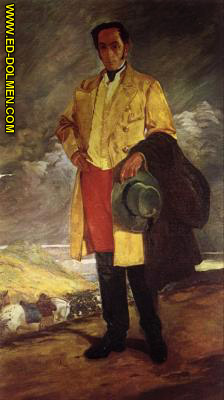
Entrevista virtual al General Simón Bolívar
Miguel Hurtado Leña (*)
(*) Historiador-Profesor universitario
Como un ejercicio de especulación histórica, me imaginé que fui al Panteón Nacional y en la penumbra, la soledad y el silencio me concentré en poder lograr una comunicación mental con el espíritu de Bolívar, para hacerle una entrevista. Este es el resultado de la conversación.
MH: General Bolívar, ¿ Cómo se explica usted, que a 176 años de su muerte, el polémico presidente actual de Venezuela, que se autocalifica "bolivariano", alegue que, adelanta una "revolución" en la que todo lo que él hace y dice, se inspira en su pensamiento, y que él es el continuador de la obra que usted dejó inconclusa?
SB: "Si algunas personas interpretan mi modo de pensar y en él apoyan sus errores, me es bien sensible, pero inevitable: con mi nombre se pretende hacer en Colombia [en este caso, Venezuela] el bien y el mal, y muchos lo invocan como el texto de sus disparates".
MHL: Pero parece que el Presidente ha tenido éxito en su discurso, porque en las recientes elecciones del 3 de diciembre, los sedicentes "bolivarianos" ganaron con un gran apoyo en las masas populares ...¿Qué opina usted al respecto?
SB: "Las elecciones populares hechas por los rústicos del campo, y por los intrigantes moradores de las ciudades, añaden un obstáculo más a la práctica de la [democracia], entre nosotros: porque los unos son tan ignorantes que hacen sus votaciones maquinalmente, y los otros tan ambiciosos que todo lo convierten en facción; por lo que jamás se vio en Venezuela una votación libre y acertada..."
MHL: Efectivamente ese ha sido un mal ya tradicional, en nuestra historia electoral, pero: ¿cómo explicaría usted que este gobierno después de ocho años de evidentes fracasos, en una Venezuela cada día más empobrecida y llena de problemas en el orden social..., haya logrado ser reelecto con tanto apoyo popular para seis años más ?
SB: Los líderes populistas recogen sus frutos en los terrenos especialmente abonados para que germine la demagogia y lo que yo llamé la "pardocracia". A mi modo de ver, eso se explica por lo que dije en Angostura en 1819: "Un pueblo ignorante es un instrumento ciego de su propia destrucción: la ambición, la intriga, abusan de la credulidad y
de la experiencia de hombres ajenos a todo conocimiento, económico y civil: adoptan como realidades lo que son simples ilusiones, toman la licencia por la Libertad, la traición por el patriotismo, la venganza por la justicia. Semejante a un robusto ciego, que, instigado por el sentimiento de sus fuerzas, marcha con la seguridad del hombre más perspicaz, y dando en todos los escollos, no puede rectificar sus pasos. Un pueblo pervertido si alcanza su libertad muy pronto vuelve a
perderla; porque en vano se esforzarán en mostrarle que la felicidad consiste en la práctica de la virtud; que el imperio de las Leyes es más poderoso que el de los tiranos, porque son más inflexibles, y todo debe someterse a su benéfico rigor: que las buenas costumbres, y no la fuerza, son las columnas de las leyes: que el ejercicio de la justicia es el ejercicio de la libertad".
En ese mismo discurso, en las condiciones de entonces, yo dije que en Venezuela: "Moral y Luces son nuestras primeras necesidades...". Pero, por lo que usted me ha dicho, creo que, después de 187 años, esas siguen siendo las "primeras necesidades" para que madure la democracia de Venezuela; lo cual indica que es muy poco lo que ustedes han logrado
al respecto... ¡Es una lástima!...
MHL: En relación a eso le informo, general Bolívar, que en la Venezuela actual se tiene como un "dogma" que la mayor conquista democrática que se ha logrado en la República libre y soberana que usted nos legó, es el establecimiento, desde 1947, del "voto universal, directo y secreto" para designar al Presidente de la Republica, los Gobernadores de los Estados y los cuerpos deliberantes. Aquí, hoy, son aptos para votar todos los venezolanos (de nacimiento o naturalizados, hombres y mujeres) con la única condición de haber cumplido 18 años. ¿Está usted de acuerdo con esa amplitud al derecho a sufragar de todos los ciudadanos, sin la exigencia de ninguna otra o condición o capacidad en los electores?
SB: ¡Definitivamente no!... Mi exacto pensamiento en materia electoral está expuesto en la Constitución que redacté para Bolivia en 1826. Allí creé un "Poder Electoral", que era inédito en América, pues considero que "la soberanía del pueblo", en la cual creo, se ejerce mediante el sufragio, pero este derecho no puede concederse indiscriminadamente a todo el mundo. Por eso establecí que en Bolivia, para ser "ciudadano activo", es decir, para tener el derecho a votar en las eleccionesnacionales, se requería: "ser boliviano, mayor de veintiún años o casado, saber leer y escribir, tener algún empleo o industria, o profesar alguna ciencia o arte que le proporcionase un alimento honesto y no estar sujeto a otro en calidad de sirviente doméstico".
Estoy convencido de que "el que no sabe escribir, ni paga contribución, ni tiene un oficio conocido, no es ciudadano"... "...Yo creo que para tener derecho como elector a decidir el destino de un país "se necesita saber y honradez, no dinero"... "El ejercicio de la democracia requiere talentos, virtudes políticas e ilustración moral en los ciudadanos" ; por eso en la Constitución Boliviana se eliminó el "sistema censitario", pero se excluían del censo de electores (eso que ustedes ahora llaman REP en Venezuela): "los dementes, los analfabetos, los desempleados, los deudores fraudulentos, los prevaricadores, los convictos de corrupción, los procesados criminalmente, los que no pagaban sus impuestos, los mendigos, los ebrios y jugadores notorios y los que hubiesen comprado o vendido votos en las elecciones o turbado el orden en ellas". Si todos esos malos ciudadanos pueden votar hoy en Venezuela, eso es, para mí, una verdadera subversión del auténtico orden republicano democrático, una aberración.
MHL: Ya veo general, que usted no es partidario del "voto universal" y se me ocurre pensar que, si alguien pretendiese hoy proponer una reforma del actual sistema electoral venezolano, para que las próximas elecciones fueran realmente "bolivarianas", es decir, que se adaptasen a su claro criterio en la materia, lo tratarían de loco, reaccionario, oligarca, etc... Pero no es a mí a quien le toca opinar en esta entrevista sino a usted, por eso le ruego me permita hacerle otras preguntas: Dada su larga experiencia como gobernante, ahora que el presidente Chávez ha sido reelecto para un nuevo período de seis años, ¿Tendría usted algo que recomendarle, o algún consejo que darle, para el buen desempeño en su función de Presidente de Venezuela?
SB: Su pregunta, profesor, aunque parece simple, es difícil de responder, y temo que estoy en la imposibilidad de satisfacer su inquietud. Yo viví y actué en un tiempo y en mundo separado por 200 años del mundo y de los tiempos que a ustedes les está tocando vivir.
Aunque a mí me han endosado la fama de "profeta" jamás pretendí prever ni dar soluciones para los problemas del futuro. Si alguna vez me atreví a lucubrar "lo que podía pasar" en América fue sólo como "conjeturas más o menos aproximadas sobre todo lo relativo a la suerte futura y a los verdaderos proyectos americanos" y como "ingenuas expresiones de mis
pensamientos". Ya yo estoy muerto y no voy a resucitar, de manera que, así, lo que pensé, dije e hice ya no puedo alterarlo, fueron las reacciones de mi "Yo" ante las circunstancias que viví... ya nada tengo que hacer en el mundo y en los tiempos de ustedes.
Me complace mucho haber pasado a la historia, haber trascendido en el tiempo como "un grande hombre", pero eso es sólo un recuerdo en la memoria colectiva de mis compatriotas; el hecho real es que ya "no soy" sino que "fui", y ni yo no nadie podemos pretender permanecer vigentes en la plenitud de los tiempos.Yo estoy disfrutando de paz de los sepulcros, estoy en una especie de nirvana en el que mi estado de ánimo es ya inalterable por lo que pueda pasar en el mundo de los vivos, no puedo cambiar lo que dije ni puedo decir nada nuevo de lo que ya dije, no puedo hacer nada en su mundo. Yo no intenté hablar para siempre, por lo tanto mi vida y mi pensamiento sólo se pueden explicar y sopesar históricamente, es decir, dentro del marco temporal en que viví y frente a los hechos que entonces pasaron. De manera que pretender trasladarme al
siglo XXI para darle consejos al Presidente actual sería un disparate, como también lo es que él pretenda tomar mi ser, mi pensar y mi hacer para justificar, en mi nombre, su acción política, que es personal suya: el bien o el mal que él haga son de su exclusiva responsabilidad, no mía.
MHL: Lo entiendo perfectamente, Su Excelencia, y veo que usted tiene muy claro el concepto de la historicidad de los hombres y su quehacer en el tiempo; no obstante, en las ideas expresadas por usted en sus escritos, hay muchas reflexiones en las que pueden encontrarse convicciones personales de carácter ético, algunas directrices, reflexiones, sentencias u orientaciones que, con las actualizaciones del caso, son aún pertinentes para sustentar vivencias, buscar soluciones de problemas, fortalecer la moral republicana y satisfacer necesidades de nuestro propio tiempo, por eso insisto: ¿Cuáles de esas convicciones suyas, fruto de su experiencia podrían servirle al presidente Chávez, aunque sea como simples consejos de buena fe?
SB. Ahí están mis escritos que, como dije una vez, "son mi alma pintada en el papel". Que cada cual tome de ellos lo que le tenga a bien, eso sí, sin deformar mi pensamiento. Pero ya que usted insiste, le recordaría al Presidente algunos principios esenciales que yo tuve siempre presentes cuando fui gobernante, porque son cuestiones de simple lógica; si él quiere adoptarlos "para seguir mis pasos" es decisión suya. Le cito algunos que le podrían ser útiles:
"El que manda debe oír aunque sean las más duras verdades y, después de oídas, debe aprovecharse de ellas para corregir los males que producen los errores". "Para qué quiere el gobierno si no escucha" . "El modo de hacerse popular y gobernar bien es emplear hombres honrados aunque sean enemigos". "La mejor política es la honradez". "El buen gobernante no puede ser sectario ni despreciar los talentos de los que no piensan como él, y debe castigar severamente la corrupción porque la Hacienda Nacional no es de quién gobierna. El depositario de los intereses del pueblo debe demostrarle a éste el uso que ha hecho de ellos" y "para el gobierno nada le será más útil que corregir los vicios de la administración", porque "no hay esperanza de justicia donde no se encuentra ni equidad ni talento para manejar los grandes negocios, y negocios de que depende la vida del Estado". "Nada es mejor que la exactitud de las promesas del gobierno" y "nada es peor en política que dejar de cumplir lo que se ha ofrecido". "Esta debilidad causa el desprecio y hace inútiles las medidas posteriores".El Presidente ha citado en sus discursos mi reflexión de Angostura, pero : "La continuación de la autoridad en un mismo individuo frecuentemente ha sido el término de los Gobiernos Democráticos". "Nada es tan peligroso como dejar permanecer largo tiempo a un mismo Ciudadano en el Poder. El Pueblo se acostumbra a obedecerle y él se acostumbra a mandarlo: de donde se origina la usurpación y la tiranía". Entonces ¿Por qué no actúa en consecuencia? ¿Por qué está aspirando ahora a la "reelección indefinida"... ¿Por qué, entonces?.
MHL: Perdone que lo interrumpa, general Bolívar, pero en este punto me interesa ?como historiador? hacerle una observación: Es verdad que usted dijo eso, con gran convicción, en Angostura, pero siete años después, en la cumbre de su gloria, en la Constitución Boliviana usted propuso un Presidente vitalicio con derecho a designar su sucesor ¿No hay ahí una contradicción respecto a lo dicho en Angostura?
SB: Aparentemente sí, profesor, pero en sana lógica no la hay; aparte de que mis palabras de Angostura estaban referidas a la Jefatura Suprema que yo ejercía en 1819, el sistema constitucional que propuse contemplaba un "poder ejecutivo muy fuerte", el Presidente tenía muchas atribuciones, era el jefe del Gobierno y del Estado, por eso limité su duración a cuatro años."En cambio para la Constitución Boliviana me inspiré directamente en el sistema inglés en el cual el Rey es el Jefe del Estado, pero no del Gobierno; el monarca inglés "reina" pero no "gobierna"; quien gobierna en Inglaterra es el Primer Ministro (cargo temporal y electivo), y está estrechamente controlado por el Parlamento y por un Poder Judicial absolutamente independiente y celoso del cumplimiento de las leyes. Igualmente el Presidente vitalicio de Bolivia no tenía, prácticamente, atribuciones gubernativas, su función era, simplemente, ser la piedra angular para asegurar la unidad y, sobre todo, la estabilidad del sistema"
Yo dije en aquella ocasión: "al Presidente vitalicio de Bolivia se le ha cortado la cabeza para que nadie tema sus intenciones y se le han atado las manos para que a nadie dañe". En Bolivia el verdadero Jefe del Gobierno era el Vicepresidente, que estaba severamente controlado por el resto de los Poderes Públicos y podía ser destituido si abusaba en sus funciones". Muy distinto sería el caso si el presidente Chávez, que en la práctica se ha arrogado todos los Poderes del Estado" Él dijo en su campaña electoral que "él era, en Venezuela, el único hombre capacitado para gobernar el país". Con esa convicción personal, si él lograra hacerse reelegir indefinidamente, se convertiría en un "tirano constitucional" lo cual es un contrasentido.Yo les dije a los venezolanos en 1814, cuando me invistieron, por la necesidad del momento, con la autoridad de Jefe Supremo: "No usurparé una autoridad que no me toca; yo os declaro pueblos ¡que ninguno puede poseer vuestra soberanía, sino violenta e ilegítimamente! Huid del país donde uno solo ejerza todos los poderes: es un país de esclavos". Sigo pensando lo mismo
MHL: Muy clara su explicación, Su Excelencia, pero yo lo había interrumpido cuando estaba recordando algunos pensamientos suyos que podrían servirle de consejos al Presidente Chávez ¿Tiene usted algo que agregar al respecto?
SB: Una sola idea más. Finamente, le recordaría al Presidente que "...En moral como en política hay reglas que no se deben traspasar, pues su violación suele costar caro"..."Creo que con esto es suficiente": que el Presidente tome o deje mis reflexiones según sean sus propias convicciones y, aunque él dice que gobierna en mi nombre, ya le he dicho, y le repito, que su acción política es de su exclusiva responsabilidad, no mía: ¡que se desprenda de mi causa!
MHL: En el actual gobierno del Presidente Chávez, aparte de la buena cantidad de militares activos y retirados que ocupan altos cargos, todo parece funcionar según el espíritu militar, bajo la simple relación de "mando y obediencia": cumplir las órdenes del máximo superior jerárquico en la cadena de mandos, sin analizar y sin derecho a disentir. La atribución que más se complace en destacar es la de ser el "Comandante en Jefe de la Fuerza Armada"; él no consulta a sus
Ministros ni a los otros Poderes del Estado? simplemente, "les ordena" y ellos cumplen sumisamente esas "ordenes superiores" .¿Qué consideraciones le merecería a usted esa mentalidad militarista, del Presidente?
SB: Si realmente es así, entonces el Presidente es un autócrata, un déspota y confunde a la república con un cuartel; él no ha tomado conciencia de que la función de gobernar un país es eminentemente civil y que el Jefe del Estado debe gobernar para todos (partidarios y adversarios) con moderación, tolerancia, amplitud, justicia y equidad.En cuanto a la ingerencia de los militares en el tren de gobierno le diré que "los militares instruidos y buenos son muy pocos y muy preciosos" y que ellos deben quedar, en lo posible, al margen de la burocracia del Estado y de la deliberación política, porque "el soldado no debe deliberar, y ¡desgraciado del pueblo cuando el hombre armado delibera!". "El sistema militar es el de la fuerza, y la fuerza no es gobierno.". "Es insoportable el espíritu militar en el gobierno civil."... El pueblo se preguntará: "¿Mandarán siempre los militares con su espada? ¿No se quejarán los civiles del despotismo de los militares", en fin, un buen gobernante no puede pretender hacer de la fuerza armada un instrumento a su servicio personal ni estar obsesionado por "la manía miserable de querer mandar a todo trance."
MHL: Después de su triunfo electoral el Presidente ha dicho que ahora va a profundizar la "revolución bolivariana" que él adelanta en su nombre, la cual califica como "pacífica pero armada": ¿alguna consideración suya al respecto?
SB:Decir que una revolución es "pacífica pero armada" es una contradicción insalvable. Si el gobierno se arma es para hacer la guerra, y la guerra es el antónimo de la paz. Para mí es falso aquel aforismo romano que decía: "si quieres la paz prepara la guerra": ¡No! .Si quieres la paz, deja las armas y busca la paz, mediante el diálogo, la tolerancia y la diplomacia. Ninguna de las revoluciones políticas que se han dado en la historia ha sido "pacífica. Todas derramaron ríos de sangre". Por otra parte, No hay concepto más deformado en la historia de Venezuela que el término revolución. Las auténticas revoluciones que se han dado en la historia universal pueden contarse con los dedos de una mano. En la historia de Venezuela la única verdadera revolución que se ha dado es la "revolución de independencia" , que por cierto, yo no presidí en sus comienzos, porque esa revolución tenía proyecciones de cambios drásticos, para mejorar, en todos los componentes del orden social. Lamentablemente quedó trunca porque me ruborizo al decirlo: "la independencia fue el único bien que adquirimos a costa de los demás", tuvimos que pagar un alto precio por la decisión de los americanos a ser libres. Yo lo vi claramente desde el comienzo cuando dije a los venezolanos en 1814: "Terribles días estamos atravesando: la sangre corre a torrentes: han desaparecido los tres siglos de cultura, de ilustración y de industria: por todas partes aparecen ruinas de la naturaleza o de la guerra. Parece que todos los males se han desencadenado sobre nuestros desgraciados pueblos". Después lo que sobrevino fue la anarquía, que se tradujo en un sin fin de guerras civiles que desangraron y empobrecieron a Venezuela aún más de cómo ésta quedó después de la terrible guerra de independencia; y la República que creamos los libertadores (no yo solo) no pudo estabilizarse. La vida política de Venezuela fue un perpetuo vaivén entre la anarquía y el despotismo. A esas lamentables guerras civiles las llamaron "revoluciones", algunas con pomposos nombre, comos: "De las Reformas", "la Fusión", " la Santa causa de la Federación", " La Legalista", La
Restauradora", "La Libertadora" y ¡Vaya ironía!... Eran vulgares "golpes de estado", pero a los que triunfaron les dieron el pomposo y atractivo nombre de "revolución", los que fracasaron quedaron execrados.
Estoy convencido que en los Estados constitucionales toda revolución armada nace de una "conspiración" contra el gobierno legítimo y el orden legal establecido, lo cual es un grave delito. Si el gobierno es malo hay que cambiarlo de acuerdo a la Constitución y a las leyes que no pueden estarse cambiando a cada rato y a la ligera pues "sin estabilidad no hay república" Por eso le dije a Santander ante las conspiraciones que atentaban contra mi gobierno y contra la Constitución de Colombia, que tenía solo un año de haberse promulgado: "Eso es lo que quieren los bochincheros; gobiernitos y más gobiernitos para hacer revoluciones y más revoluciones. Yo no, no quiero gobiernitos: estoy dispuesto a morir entre las ruinas de Colombia, peleando por su ley fundamental y por la unidad absoluta"; además, al final de mis días quedé convencido de que "el que sirve a una revolución ara en el mar? pues ?la revolución es un elemento que
no se puede dominar, es más indócil que el viento".
MHL: Una última pregunta, Su Excelencia, para no molestarlo más: ¿Qué mensaje le daría Ud al pueblo Venezolano en la actualidad?
SB:Ya le he dicho, profesor, y le repito, porque quiero que esto quede claramente asentado, que desde donde estoy no puedo decir nada nuevo a lo que ya dije, mis palabras quedaron para la historia y no puedo sustituirlas con otro discurso nuevo. Aquí, en el averno, me informo de lo que pasa en mi patria pero sin que se altere mi espíritu pues ya estoy más allá del bien y del mal. Muchos de los que han leído mis escritos y estudiado mi historia me han interpretado muy mal, lo cual lamento, pero otros han hecho interpretaciones correctas de mi pensamiento y de mis sentimientos en ciertos momentos de mi vida. Una de estas interpretaciones puede ser la del joven y talentoso escritor José Tomás Angola, el su obra teatral : El pasajero de la fragata. Hago mías sus palabras y espero que el autor acepte servirme como" médium" para hacerles llegar a los venezolanos, directamente, la expresión de mis sentimientos.
"Mi espada está tan distante en el tiempo, mis tropas tan escondidas en la historia, mi caballo tan empotrado a una loza de bronce, que ya no puedo levantarme contra la iniquidad y el desasosiego, la corrupción y la traición... y si todo lo pudiere, de todas maneras no habría cuerpo para volver a cabalgar... no... "Ésta ya no es mi guerra. En este trance final sólo les pido que me dejen en paz... Soy un muerto que merece descansar... bájense de mis hombros y aprendan a andar por ustedes mismos; algún día los niños deben volverse hombres, salgan a ganar sus propias batallas, a libertar sus propios continentes, monten y marchen tras su propia revolución; bájense de mis hombros adoloridos que ya no aguantan más porque de lo contrario alguien los hará caminar pero esta vez con cadenas al cuello.
Lo que tanto amé no existe... es ahora el tiempo para que ustedes, solos, sueñen la patria que quieren y la hagan realidad, tal vez entonces decida regresar a ustedes, tal vez entonces vuelva de mi tumba ignominiosa a la que me han relegado quienes me vencieron, tal vez entonces vuelva y disfrute de la nación que ustedes mismos me negaron... tal vez entonces pueda estar de nuevo entre ustedes como lo que siempre fui... un pequeño americano...Al Sr. Chávez y a todos los venezolanos les ruego: ¡Que me dejen descansar en paz!
(Nota: todas las frases o pensamientos de Bolívar que he citado entre comillas están fielmente extraídas de sus escritos. Se alargaría mucho este artículo con una lista pormenorizada de referencias a los escritos de Bolívar que las contienen. Quedan en mi archivo)
Un curso de AUTO-CAD en tres dimensiones
El enlace de arriba lo lleva a este curso de AUTO-CAD, especial para arquitectos o dibujantes técnicos.
lunes, diciembre 18, 2006
Una entrevista imaginaria al Prof. Amado Alonso

Amado Alonso, de la Universidad de Harvard, es el principal interprete de la poesía de Pablo Neruda (Neftalí Ricardo Reyes). Neruda nació en el año de 1904 en Temuco, Chile. Esta poesía expresionista y hermética necesita ser interpretada y por ello he elaborado, a continuación, una entrevista imaginaria con Alonso, para que nos explique el porqué de esta extraordinaria poesía:
Una entrevista imaginaria con Amado Alonso y la poesía de Pablo Neruda.
¿Si usted definiera la poesía de Pablo Neruda o Neftalí Ricardo Reyes, que nos diría ?
Buena pregunta para comenzar. Bueno yo diría que es una poesía que se escapa tumultuosamente de su corazón. Además, es una poesía romántica al exacerbar los sentimientos e incluso expresionista por el modo eruptivo de salir e incluso una poesía apocalíptica. La poesía integral es eso: sentimientos, intuiciones, pensamientos, fraseo y el cuerpo sonoro de la palabra.
¿ Se ha dicho a veces que la poesía de Neruda es de difícil comprensión ?
En poesía , ser y expresarse son una misma cosa, y su calidad no se mide ni por lo fácil ni por lo difícil que sea de comprender. Esta poesía de Neruda tiene que expresarse del modo en que se expresa para no perder los rasgos esenciales de su constitución misma. Algunas veces es una poesía enigmática pero es necesario entonces interpretarla analizando los especiales procedimientos expresivos.
¿ Y estos procedimientos expresivos se encuentran en toda la poesía o sólo en algunos tipos de poesía?
Esos procedimientos son comunes a los poetas modernos que se llaman poetas súper-realistas o expresionistas y muchas veces vanguardistas o futuristas.
¿ Cuales son los principales procedimientos expresivos ?
Mire usted lo primero es que en esta poesía nerudiana lo comparativo omite lo comparado. Pero en la poesía tradicional se declara el objeto o realidad poetizada y luego se le otorga su sentido emocional por medio de metáforas o comparaciones. Por ejemplo: “los labios rojos, al desplegarse con la risa por el cielo de la cara, son carmesíes relámpagos de risa, son auroras y gala del cielo “. O por ejemplo, en la poesía de Bécquer no se identifica una cosa con la otra sino más bien “se parecen”:
Despierta, ríes, y al reír, tus labios
inquietos me parecen
relámpagos de grana que serpean
sobre un cielo de nieve.
En el mundo libre de la poesía no se señala “me parece”, sino ES. Y entonces Neruda extrema el procedimiento y materializa lo inmaterializado; por ello, suprime cualquier asunto que “me parece” y al suprimir toda racionalidad exclama:
Tú estas de pie sobre la tierra, llena
de dientes y relámpagos.
Es decir: llena de risas en las que muestras tus blancos dientes y se entreabren tus labios con relámpagos de púrpura.
¿Entonces: la identificación entre lo poéticamente imaginado y lo real con ello aludido, es la esencia de la poesía de Neruda ?
Indudablemente es así. Neruda expresa el sentido poético de una realidad sin decir explícitamente a qué realidad se refiere.
¿ Y cuál es el otro procedimiento ?
Lo inmaterial se concretiza. Ya lo hemos dicho, pero también lo genérico se particulariza. Por ejemplo: Neruda nos dice, y allí podemos observar la representación de lo inmaterial por lo concreto:
Ay, una a una, la ola que llora y la sal que se triza,
y el tiempo del amor celestial que pasa volando,
han tenido voz de huéspedes y espacio en la espera.
El poeta llama: ”ola que llora” al impetuoso vivir que se resuelve en lágrimas como la ola se rompe en gotas. Y la sal de la vida la llama “ sal que se triza” o se disuelve. La expresión “voz de huésped” es la idea emocional de lo transitorio.
Y un buen ejemplo de trasmutar lo particular por lo genérico se encuentra en este canto:
En vez de decir “la tristeza de las cosas y la destrucción de lo extraño” dirá: “la madera del buque muerto”. Son expresiones simbólicas muy particulares.
¿Es decir: que Pablo Neruda tiene su momento simbólico particular ?
A si es. Para entender y gozar su poesía hay que interpretarla con dos condiciones: primera, hacia qué orden de realidad alude cada símbolo: segunda, que el símbolo no es una mera clave, no es una equivalencia alegórica, sino que ese símbolo tiene su propia autonomía irradiando sugerencias poéticas. Tenemos que saber reconstruir esos símbolos.
(entrevista basada en el libro: Poesía y Estilo de Pablo Neruda: interpretación de una poesía hermética, por Amado Alonso y publicado en el año de 1951 por Editorial Sudamericana, Buenos Aires. )
A veces esto es la pura verdad....

Los humoristas interpretan muchas veces la realidad y se atreven a darle forma coherente. Si no existieran los humoristas y los que dibujan caricaturas o diseñan sus propios efectos, este mundo sería poco divertido y sin salsa.
Una vision completa de Paris (de noche)
Primero hacer click arriba para ver las fotos. Y luego si quiere coleccionar Iconos...bueno aquí le ponemos los mejores.
ICONOS
Es una de las ciudades más estética y maravillosa del mundo. Al entrar al enlace corra a la derecha toda la hoja web para ver completamente estas fotos tomadas por el fotógrafo profesional Arnaud Frich.
Es una de las ciudades más estética y maravillosa del mundo. Al entrar al enlace corra a la derecha toda la hoja web para ver completamente estas fotos tomadas por el fotógrafo profesional Arnaud Frich.
domingo, diciembre 17, 2006
Los SPAS venezolanos
El turista que decide alojarse en un sitio donde consigue los servicios de Spa está buscando un placer único relacionado con las terapias naturales. La palabra SPA proviene de un topónimo de un centro termal en la provincia de Lieja (Bélgica). A partir del siglo XVII se generaliza ese nombre, En Venezuela existen 10 alojamientos turísticos que ofrecen SPA, como :
ALOESPA
El ofrece medicina holística combinada con yoga, tai chi, meditación, envoltura de arcilla, exfoliación, aromaterapia, sauna, hidroterapia, masajes y tratamiento con aloe o sábila.
LA SAMANNA
Ubicado en la Isla de Margarita este SPA se especializa en tratamientos de talasoterapia con ducha escocesa, piscina analítica, balneroterapia, baño turco, masajes y mascarillas con algas.
RENACER SPA
Ubicado en la Colonia Tovar muy cerca de Caracas, este SPA ofrece masajes antiestrés, jacuzzi, sauna y stretching y comida vegetaniana.
HESPERIA
Ubicado en el hotel Hesperia en Isla de Margaraita. Ofrece masajes, jacuzzi, programas nutricionistas, aeróbicos.
EL TAO
Ubicado en el poblado La Azulita en los Andes Venezolanos (Estado Mérida), es un SPA en el páramo que ofrece hidroterapia, aromaterapia, cromoterapia y cristaloterapia, además masales shiatsu, y programas de dieta.
LAS TRINCHERAS
Es un centro de Aguas Termales ubicado muy cerca de la ciudad de Valencia (Edo. Carabobo). Además de las aguas termales ofrece masajes, reiki, cosmetotogía y control médico.
HOTEL AGUA MARINA
El hotel ofrece exfoliación con barro, sábila, sales marinas, hidratación, meditación , yoga, tai chi,sauna, masajes con chocoterapia.Está ubicado en la población de Higuerote a 120 kilómetros de Caracas.
MARE-MARES RESORT & SPA
Ubicado en Lechería, Edo. Anzoátegui, este hotel cuenta con gimnasio, sesiones de tai chi, yoga, spinning y además jacuzzi, sauna, baño de espuma, m´sacaras con barro y algas.
Los otros SPA son Agua MOISES en el poblado campesino Pantoño, Edo. Sucre, vía Cariaco-Casanai. Y también, en el Hotel GRAN MELIA en Caracas se ofrece sauna, masajes, jacuzzi, pista para trotar.
El ofrece medicina holística combinada con yoga, tai chi, meditación, envoltura de arcilla, exfoliación, aromaterapia, sauna, hidroterapia, masajes y tratamiento con aloe o sábila.
Ubicado en la Isla de Margarita este SPA se especializa en tratamientos de talasoterapia con ducha escocesa, piscina analítica, balneroterapia, baño turco, masajes y mascarillas con algas.
Ubicado en la Colonia Tovar muy cerca de Caracas, este SPA ofrece masajes antiestrés, jacuzzi, sauna y stretching y comida vegetaniana.
Ubicado en el hotel Hesperia en Isla de Margaraita. Ofrece masajes, jacuzzi, programas nutricionistas, aeróbicos.
Ubicado en el poblado La Azulita en los Andes Venezolanos (Estado Mérida), es un SPA en el páramo que ofrece hidroterapia, aromaterapia, cromoterapia y cristaloterapia, además masales shiatsu, y programas de dieta.
Es un centro de Aguas Termales ubicado muy cerca de la ciudad de Valencia (Edo. Carabobo). Además de las aguas termales ofrece masajes, reiki, cosmetotogía y control médico.
El hotel ofrece exfoliación con barro, sábila, sales marinas, hidratación, meditación , yoga, tai chi,sauna, masajes con chocoterapia.Está ubicado en la población de Higuerote a 120 kilómetros de Caracas.
Ubicado en Lechería, Edo. Anzoátegui, este hotel cuenta con gimnasio, sesiones de tai chi, yoga, spinning y además jacuzzi, sauna, baño de espuma, m´sacaras con barro y algas.
Los otros SPA son Agua MOISES en el poblado campesino Pantoño, Edo. Sucre, vía Cariaco-Casanai. Y también, en el Hotel GRAN MELIA en Caracas se ofrece sauna, masajes, jacuzzi, pista para trotar.
Interesante...no solamente un blog sino noticias
Yo soy un reportero freelancer del diario Koreano OhMyNews, pero lo que no conocía era su excelente Blog, que pongo en seguida para los que puedan leer en koreano: Hacer Click aqui
즐거운 성탄
Claro las noticias en OhMYNEWS se pueden ver en su versión inglesa en :
The News
즐거운 성탄
Claro las noticias en OhMYNEWS se pueden ver en su versión inglesa en :
Fantastico show en Paris...vale la pena verlo
hacer click arriba para ver un fastástico arte de estauas vivientes. Es casi imposible que se se pueda hacer tal maravilla!!!
Siguiendo con las noticias francesas y como en ese país existen las conferencias de los políticos para la nueva elección presidencial, pueden ver estos dos videos: la aprimera intervención de Sarkozy en Diciembre, lo pueden ver aquí:
y la segunda intervención de Sarkozy aparece en seguida:
Suscribirse a:
Entradas (Atom)